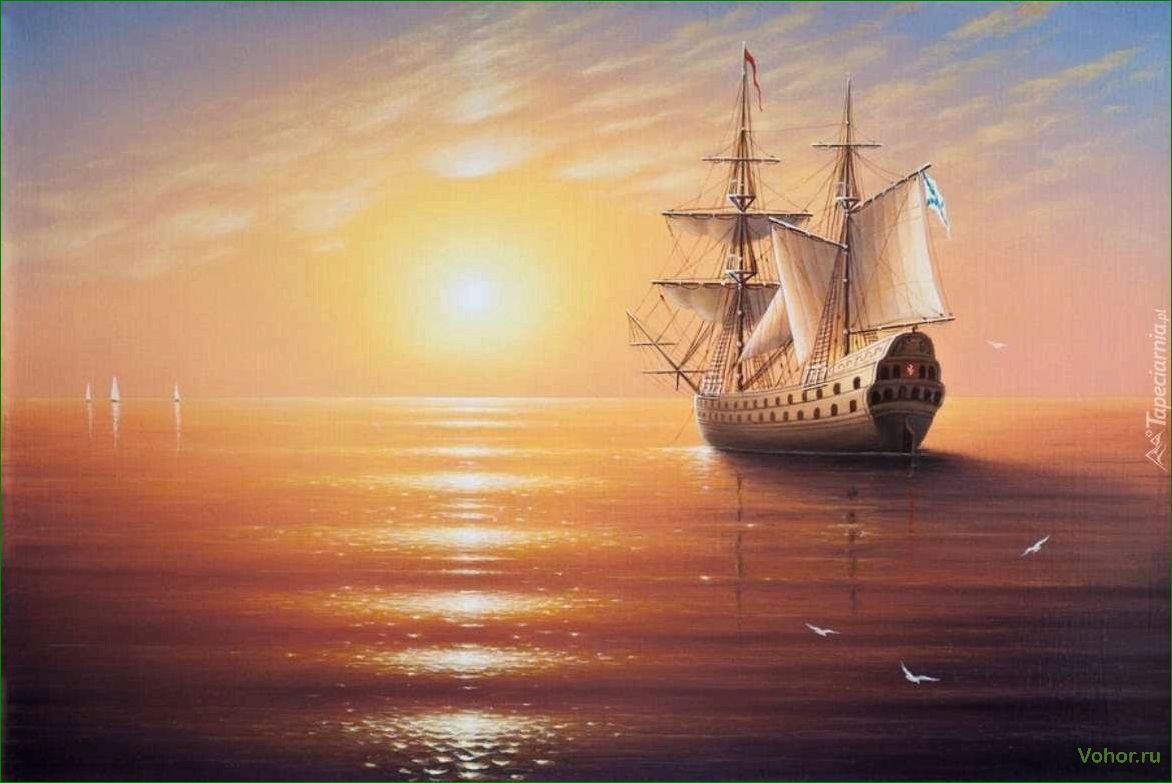
A ship sails the sea.
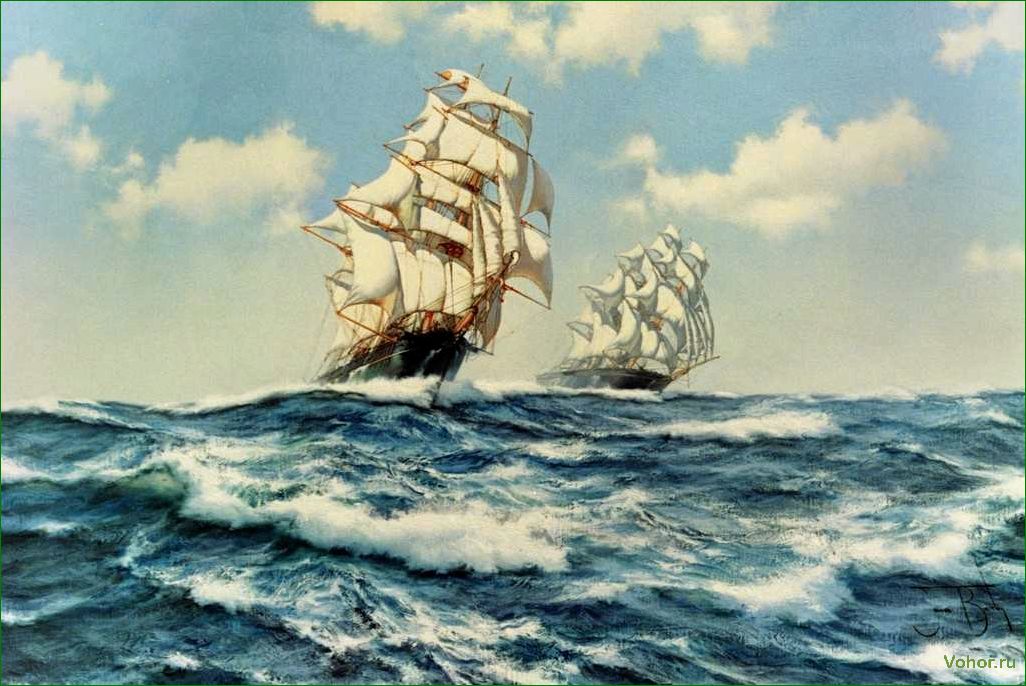
The sea is a mysterious and majestic world that attracts many people. The desire to unravel its secrets and explore its vastness has led to the creation of various means of transportation on water. One of the most impressive and powerful of these is the ship. A huge metal structure capable of sailing the sea and transporting cargo and passengers over long distances.
Contents of the article:
- How a ship sails the seas
- Choosing a route and planning a trip
- Main types of ships and their characteristics
- Navigation instruments and communication equipment on board a ship
- Basic safety rules at sea
- 1. Follow the instructions of the crew and the ship’s captain
- 2. Wear life jackets
- 3. Learn the rules of navigation and navigation
- 4. Be attentive to weather conditions
- 5. Check equipment and ship’s equipment Equipment
- 6. Be prepared for potential emergencies
- 7. Observe environmental safety regulations
- 8. Learn and improve your skills
- Environmental aspects of navigation and marine conservation
a ship is not only a means of transportation but also a true symbol of travel and adventure. It opens up the vast expanses of the ocean to people and allows them to explore distant lands and continents. Ships play a vital role in trade and economics, transporting goods and supplying various regions of the world with essential goods and resources.
However, when a ship sails the seas is not only romance and adventure, but also serious work and responsibility. Sailors working on ships must be prepared for any difficulties and challenges that may arise during voyage. They must be resilient, be able to work in a team and be prepared for extreme conditions that may occur along the way. A ship is not just a means of transportation, it is a whole world with its own rules and laws, which requires special skill and ability from people to cope with unpredictable situations.
How a ship sails the seas
1. Determining a route
Before a ship sets sail, the captain and his crew carefully plan the route. They take into account weather conditions, currents, obstacles along the way and other factors. This allows them to choose the best path to reach their designated destination.
2. Navigation and ship control
The ship is equipped with navigation systems that allow you to determine its current position and direction of movement. The captain and his crew use this data to steer the ship, regulate its speed, change course and avoid obstacles. They also monitor radar and other instruments to keep abreast of any changes occurring in the environment.
3. Interaction with the marine environment
The ship interacts with the marine environment, floating on waves, overcoming currents and wind. The captain and his crew take these factors into account when making decisions about how to adjust the ship’s movements. They can change speed, direction, or even stop if conditions become too unfavorable.
4. Ensuring safety
One of the main tasks of the crew on the ship is to ensure safe navigation. They monitor the condition of the ship, check the operation of equipment, and maintain communication with other ships and the coast service. In addition, they must be prepared for emergencies such as storms, fires or accidents and take the necessary measures to protect the crew and the ship.

5. Arriving at your destination
After a long voyage, the ship arrives at its destination. The captain and his crew carry out the necessary procedures associated with arrival, such as exchanging documents, checking cargo and disembarking passengers. They are also preparing for the next leg of their journey or returning to the port where they started.
Choosing a route and planning a trip
Choosing a route and planning a trip on a ship is an important stage in preparing for a sea voyage. The comfort and safety of navigation, as well as the level of satisfaction from the trip, depend on the correct choice of route.
The first step in choosing a route is to determine the traveler’s goals and preferences. Some may be interested in visiting exclusively popular tourist spots, while others prefer solitude and remote beaches. Each route has its own characteristics and advantages, so it is important to determine your priorities.
Planning a trip involves estimating the time required to sail the chosen route. It is important to consider the distance between ports, the speed of the ship and possible stops along the way. You should also take into account the seasonality and weather conditions in the region in order to avoid troubles and dangerous situations at sea.
For more convenient route planning, you can use a table in which you indicate dates, ports of stops, distances between them, approximate sailing time and expected attractions. Such a table will help structure the information and make it easier to navigate while traveling.
It is also important to take into account your travel budget and choose a route that suits your financial capabilities. Some routes may be more expensive due to high prices for accommodation, meals and excursions. Therefore, it is worth assessing all costs in advance and choosing the best option.
Choosing a route and planning a trip is an important stage that will help make a sea voyage unforgettable and comfortable. By following these recommendations and taking into account your preferences, you can create an ideal route that will give you a lot of impressions and positive emotions.
Main types of ships and their characteristics
Passenger ships
Passenger ships are designed to transport passengers along sea and river routes. They are equipped with comfortable cabins, restaurants, bars and entertainment areas. Passenger ships can have different capacities – from several tens to several thousand passengers. They can also be divided into categories depending on their purpose, such as cruise ships, ferries or motor ships.
Cargo ships
Cargo ships are designed to transport goods along sea and river routes. They have large cargo holds, special cranes and loading and unloading equipment. Cargo ships can be of different types depending on the type of cargo being carried, such as container ships, bulk carriers or oil tankers.
Warships
Warships are designed for defense and combat operations at sea. They can be of various types, including warships, submarines, destroyers and aircraft carriers. Warships are typically equipped with a variety of weapons, radar systems, and other detection and defense capabilities.
Research vessels
Research vessels are used to conduct scientific research in various fields such as oceanography, geology and biology. They are equipped with special equipment and laboratories for collecting data and conducting experiments. Research vessels can be equipped with submersibles, sonar equipment and other means to study the marine environment.
Patrol vessels
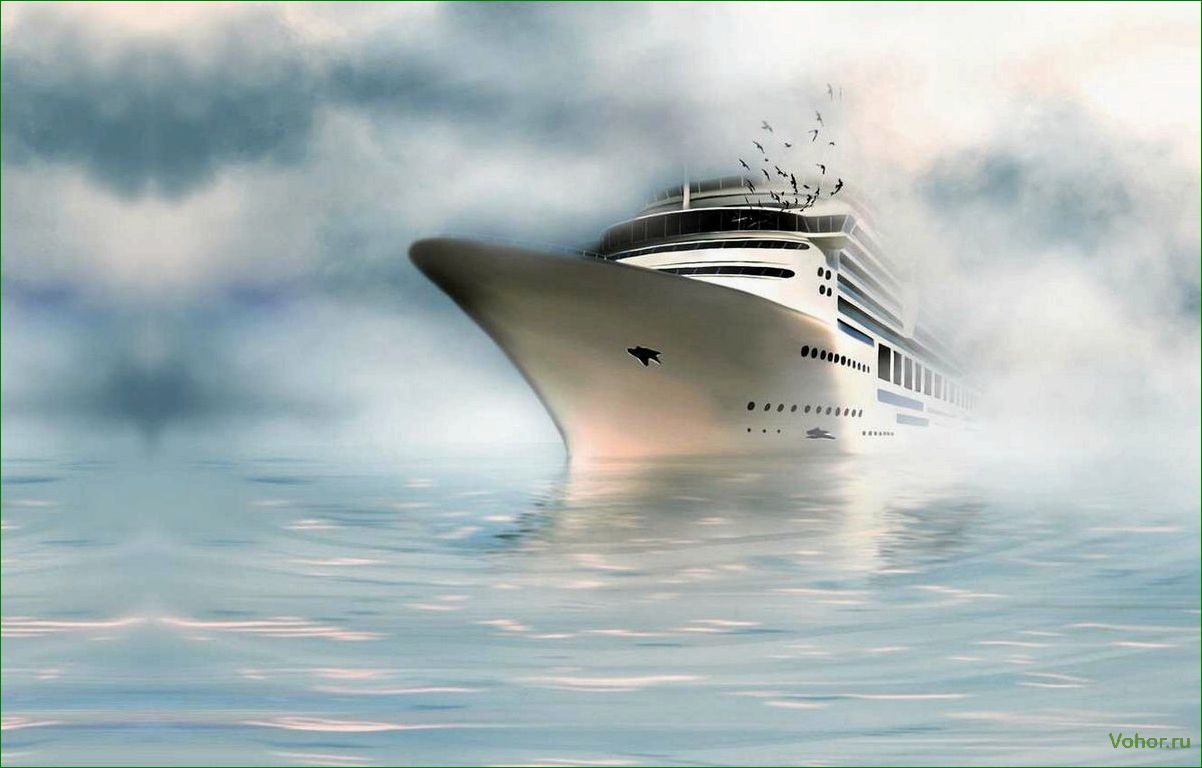
Patrol vessels are designed to provide security and control at sea. They can be used to patrol territorial waters, pursue violators, combat smuggling and other tasks. Patrol vessels usually have high speed and may be armed to perform their duties.
Navigation instruments and communication equipment on board a ship
On board the ship there are a number of navigational instruments and communications equipment that ensure safe and efficient navigation.
1. Gyroscopic compass
A gyroscopic compass is one of the main navigational instruments on a ship. It is based on the principle of conservation of angular momentum and allows you to determine the true course of the ship regardless of the Earth’s magnetic field.
2. Radio navigation systems
Radio navigation systems such as GPS (Global Positioning System) and GLONASS (Global Navigation Satellite System) provide accurate data about the location and speed of the ship. They are based on the use of satellite signals and allow you to determine the ship’s coordinates in real time.
3. Radio stations
Radios are the main means of communication on board a ship. They allow communication with other ships, coast stations and control centers. The radios provide voice transmission, as well as data and distress signals when necessary.
4. Automatic identification system (AIS)
The Automatic Identification System (AIS) allows you to track and identify other vessels within range. It transmits information about a ship, such as its identification number, location, course and speed, to ensure safety and prevent collisions at sea.
5. Radar
Radar is an important navigational instrument that is used to detect objects around the ship. It works based on the principle of radio waves bouncing off objects to determine the distance, direction and speed of objects at sea, including other vessels, obstacles and weather phenomena.
6. Echo sounder
An echo sounder is used to measure the depth of water under a ship. It works on the principle of reflection of sound waves from the bottom and allows you to determine the depth of the water, which is important information for safe navigation and avoiding ship accidents.
7. Signal flags and lights
Signal flags and lights are used to convey various messages and signals to other vessels. Flags and lights have standard codes and symbols that allow ships to exchange information about their position, intentions and status.
8. Charts and navigational tablets
Maps and navigation tablets are important tools for planning a ship’s route and navigating it. They contain information about water depth, obstacles, navigational restrictions and other information necessary for safe and efficient navigation.
All of these navigational instruments and communications on board a ship play an important role in ensuring the safety and successful completion of maritime missions.
Basic safety rules at sea
1. Follow the instructions of the crew and the ship’s captain
It is important to always follow the instructions of the crew and the captain of the vessel. They have the experience and knowledge necessary to sail safely. Follow all instructions and do not break the rules to prevent possible accidents.
2. Wear life jackets
In case of an emergency at sea, life jackets can save your life. Always wear them while swimming. Make sure they are securely fastened and fit correctly to your body.
3. Learn the rules of navigation and navigation
Before setting sail, make sure you are familiar with the rules of sailing and navigation. Learn maritime signals, rules of passage, rules of communication with other ships. This will help you avoid collisions and conflicts at sea.
4. Be attentive to weather conditions
Weather conditions can greatly affect sailing safety. Before heading out to sea, check the weather forecast to ensure that the weather conditions will be favorable for sailing. If the weather worsens, there is no need to take risks and it is better to postpone sailing for a safer time.
5. Check equipment and ship’s equipment Equipment
Before each voyage, it is necessary to check the equipment and ship equipment. Make sure that the radio equipment is working properly, that life-saving equipment is in place, and also check the condition of the anchor, ropes and other elements of the vessel. Don’t forget that reliable equipment is the key to safety at sea.
6. Be prepared for potential emergencies
Various emergencies can occur at sea, such as fire, leaks or loss of orientation. Be prepared for such situations, have an evacuation plan, know the location of life-saving equipment and apply safety rules in emergency situations.
7. Observe environmental safety regulations
It is important to comply with environmental safety rules at sea. Do not throw garbage into the water, do not violate protected areas, do not touch marine fauna and flora. Take care of the environment and help keep it clean and intact.
8. Learn and improve your skills
To be as safe as possible at sea, it is important to constantly learn and improve your skills. Take training courses, drills and practice sessions to ensure you are prepared for any situation that may arise while sailing.
Environmental aspects of navigation and marine conservation
Marine pollution
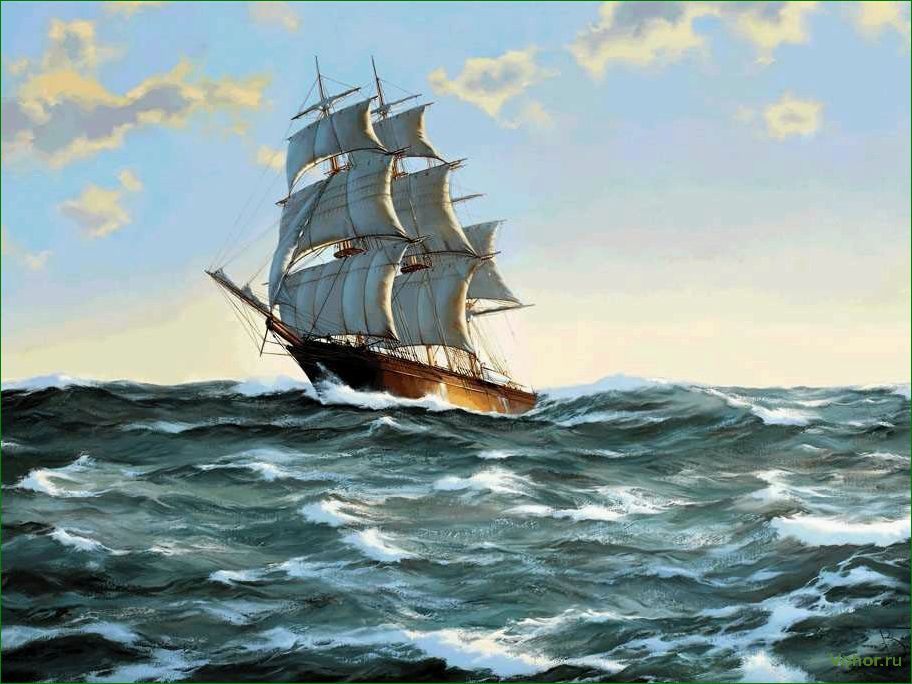
The navigation of ships at sea has a significant impact on the ecology of the marine environment. One of the major problems is water pollution due to various wastes such as oil, chemicals and plastic waste. These pollutants can cause serious harm to marine fauna and flora and can also lead to a decrease in water quality.
Impact on marine animals
Sailing ships can also have negative impacts on marine animals. Noise and vibrations from ships’ engines can disrupt their behavior, orientation, and communication. In addition, ships may collide with marine animals, which can result in injury or death. It is important to take measures to minimize these impacts and protect marine animals.
Energy efficiency and use of renewable energy sources
One way to reduce the negative impact of sailing on the marine environment is to increase the energy efficiency of ships. The use of new technologies and innovative systems allows us to reduce fuel consumption and emissions of harmful substances. In addition, it is important to develop and use renewable energy sources such as solar and wind power to supply electricity on board ships.
International standards and cooperation
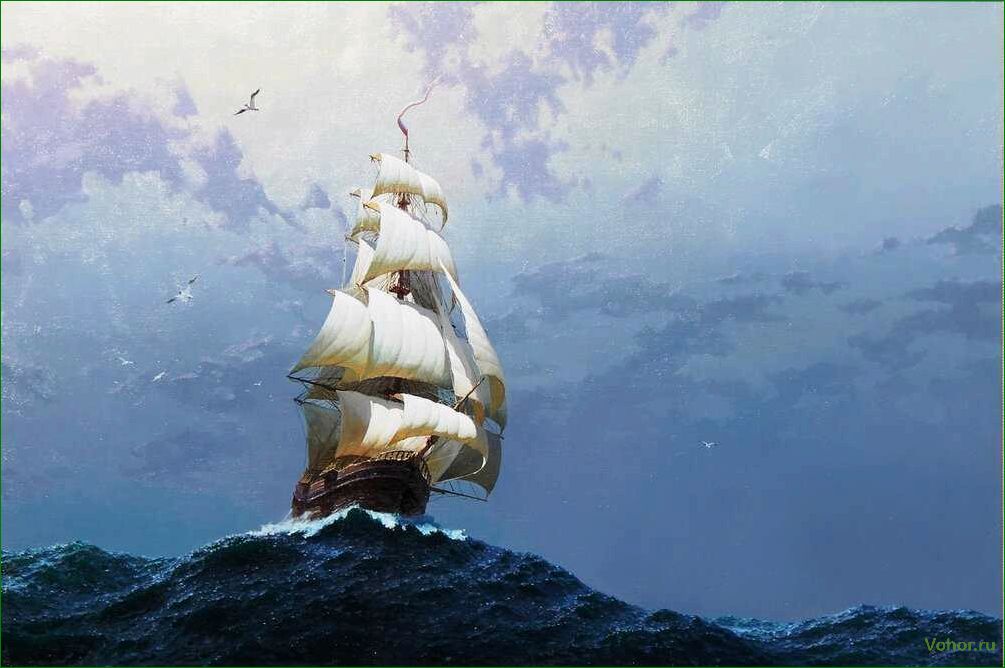
Effective marine conservation requires cooperation and coordination between different countries and organizations. The development and compliance with international standards and regulations make it possible to control and limit marine pollution, as well as ensure the safety of navigation and the protection of marine fauna and flora. It is important to continue to develop and improve these standards to ensure sustainable and safe navigation at sea.
Education and awareness
Awareness and education play an important role in marine conservation. It is important to conduct educational programs and campaigns to raise awareness about the environmental aspects of sailing and the impact of ships on the marine environment. People must be made aware of the rules and regulations regarding the conservation of the marine environment and also understand the importance of protecting it for future generations.


