Sand Pine
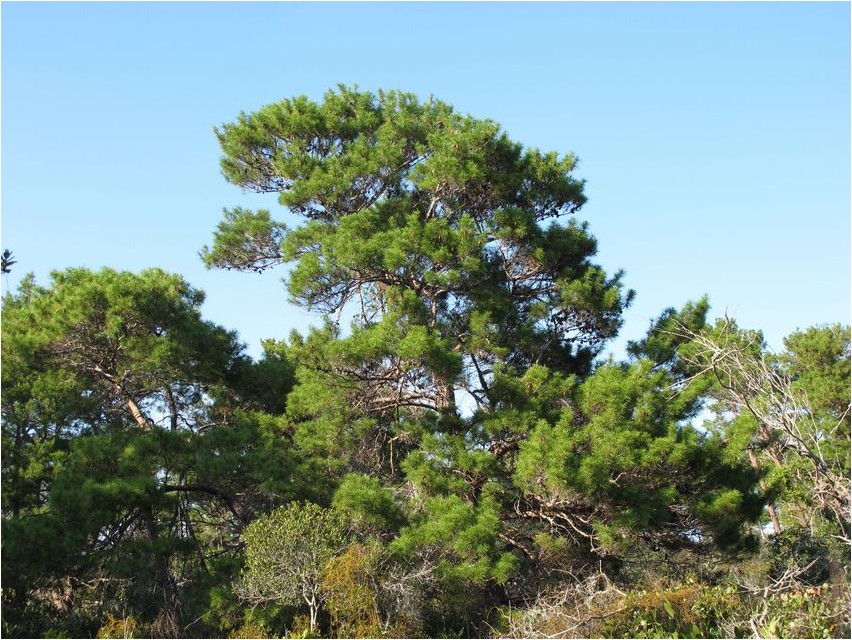
Sand Pine (Pinus clausa) is an endemic species of the genus Pinus in the Pine family Pinaceae, native to the southeastern United States.
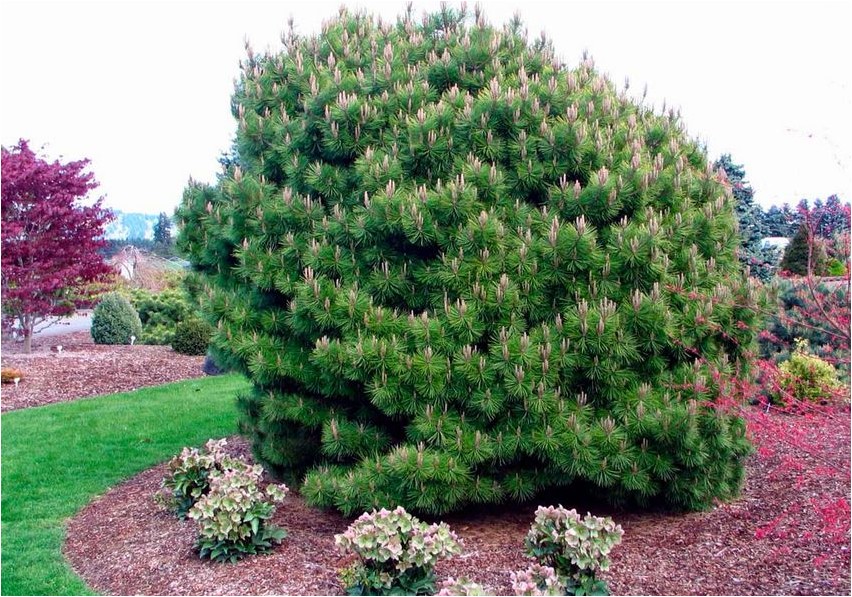
A small, often shrubby tree, Sand Pine grows in infertile, sandy, well-drained soils, where it has no large competitors due to the harsh conditions. The tree”s wood is used for fuel. Some Sand Pine trees, with dark green needles on short, densely layered branches, are grown for Christmas trees.
What”s in a name
The generic Latin name “Pinus” was given to the plant by botanists either because of the resinous component of the tree or because of the pines” predilection for growing on steep, rocky slopes. You can read more about this in the description of the genus “Pine.”
The species epithet “clausa,” or “sand pine,” earned its name for its unpretentiousness, preferring sandy, poor soils, hot sun rays over the crown, and frequent, severe, seasonal droughts. It is perhaps the only tree in this ecosystem that even slightly shades the ground from the sun”s heat.
Description
The sand pine, which thrives in extreme climates, typically appears as a shrub, growing from 5 to 10 meters in height. Occasionally, you can encounter trees that manage to reach 21 meters in height with a trunk diameter of up to half a meter. The national champion for height among pine trees of this species is a tree growing in the wilderness of a nature reserve and reaching a height of 27 meters. But such occurrences are rare, which is why this tree is considered the champion. The trunk of the Sand Pine is covered with rough, flaky bark. The branches are smooth and relatively short. The crown is irregular or rounded.
The branches are covered with needle-like leaves 5 to 10 centimeters long, which grow in pairs. Young trees are very fluffy and green.

Sand Pine is a monoecious tree, meaning both male and female cones grow on the same tree. Sand Pine cones are relatively small, 4 to 8 centimeters long, grow in tight clusters, and often cling tightly to the branches, remaining closed for many years.
According to their morphological properties and their relation to fire, Sand Pine cones can be divided into two types. The first type of cones is distinguished by the fact that they are covered with wax, and therefore only a natural fire can open such cones so that the seeds spill into the soil and sprout new shoots, filling the scorched earth. The second type of cones is devoid of a waxy coating, and therefore, without waiting for a natural disaster, it completely opens its protective scales, freeing the seeds for procreation after the expiration of the seed ripening period established by nature or the Almighty.
It is surprising that fires that destroy forest plantings at the same time give a chance to life for new plants that would not be able to grow in the shade of their more mature relatives. On the other hand, man has changed the natural landscape so much over the past 500 years that there is enough space for seeds that do not wait for fire to land and germinate into a new Sand Pine.
Usage
Sand pine for several reasons (bushiness of the bush, curvature of the trunks in the direction of the prevailing winds) is not suitable as timber, but for the pulp industry it is actively used by enterprising people. In addition, wood serves as fuel for heating residential premises.
Creating more favorable living conditions for the tree, Sand Pine is grown to use the trees as Christmas trees. Accustomed to enduring dry periods in natural conditions, Sand Pine responds gratefully to watering in the first year of life and then grows faster, more luxuriantly and more elegantly, even if it has to grow in the open sun.