Ponderosa Pine
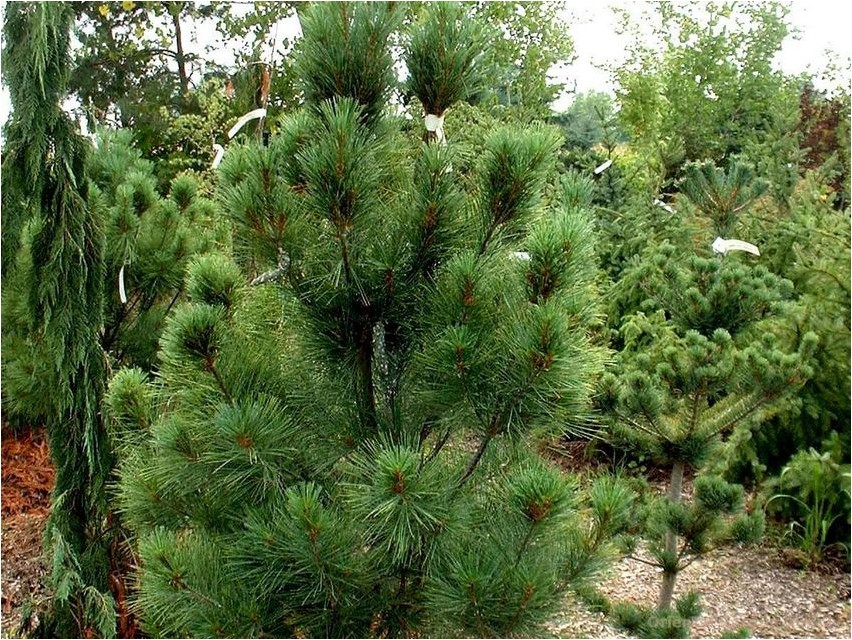
Ponderosa Pine (Pinus ponderosa) is a large coniferous tree of the genus Pinus in the pine family Pinaceae. It is often called “Ponderosa Pine” or “Oregon Pine” because it is native to North America.
Ponderosa Pine is distinguished by its large size and heavy wood, dense and lush coniferous foliage, winged seeds, and high resistance to fires, which periodically easily destroy other tree species, such as oaks.
What”s in a Name
The meaning of the first word of the name of the large coniferous tree “Pinus” can be found in the article “Pine” in this Encyclopedia.
As for the species name of Ponderosa Pine, the Latin word “ponderosa” translates into Russian as “heavyweight.” This epithet was given to the pine by the Scottish botanist David Douglas in 1829, based on the tree”s heavy wood. During three years spent in Oregon, Douglas accomplished a colossal amount of work studying American plants unknown in Europe. Douglas sent over two hundred new plants and their seeds from North America to Scotland. Among them were seeds of the ponderosa pine.
Since heavy wood is also characteristic of other pine species, the tree acquired another name, “Western yellow-pine.” This name is based on the color of the tree”s bark, which distinguishes this species from other related plants. Mature and overmature specimens have bark ranging in color from yellow to orange-red. The bark lies on the trunk in wide plates, with gaping black crevices between them. However, young trees cannot be distinguished by this characteristic, as their bark is blackish-brown, which is why these trees have their own name—”Blackjack pine.”

The name “Oregon Pine” immediately reveals the origin of this evergreen beauty.
Description
The Oregon Pine holds the record for height among its relatives. In October 2011, professional foresters measured the height of a single Oregon Pine. The measuring tape showed a height of 81. 77 meters. This places the Oregon Pine in second place among all the pines on the planet, yielding first place to the Sugar Pine, also known as Pinus lambertiana.
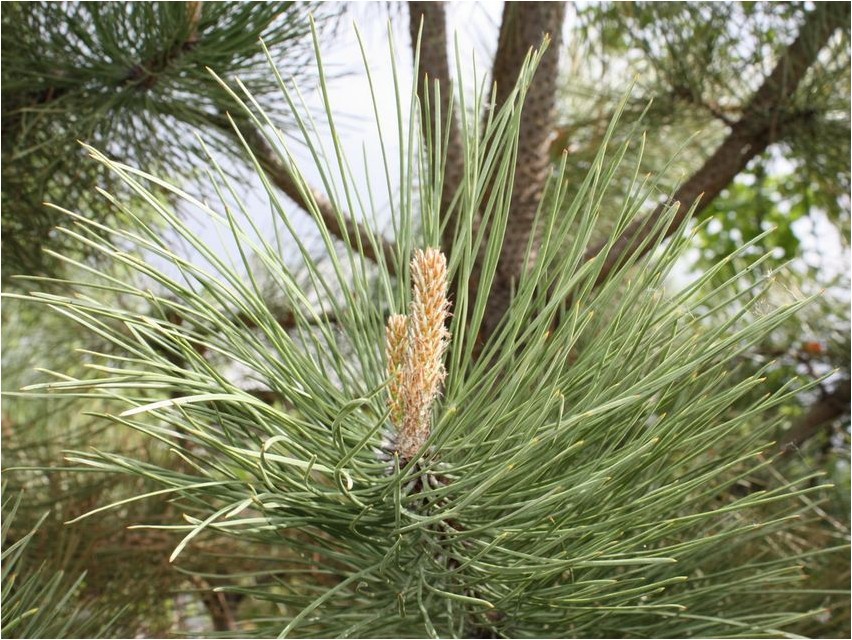
In addition to its great height and yellow-orange fissured bark, heavy pine is distinguished by its bright green long needles, collected in groups of three and giving the tree a special color. The length of the needles of the five existing subspecies of Pine varies. The “Pacific” subspecies is famous for the longest needles (19. 8 cm). The needles are not only long, but also flexible, forming lush groups of three needles. Thick, almost vertically located branches of the tree, covered with a thick carpet of long needles, resemble a fox tail, albeit green.
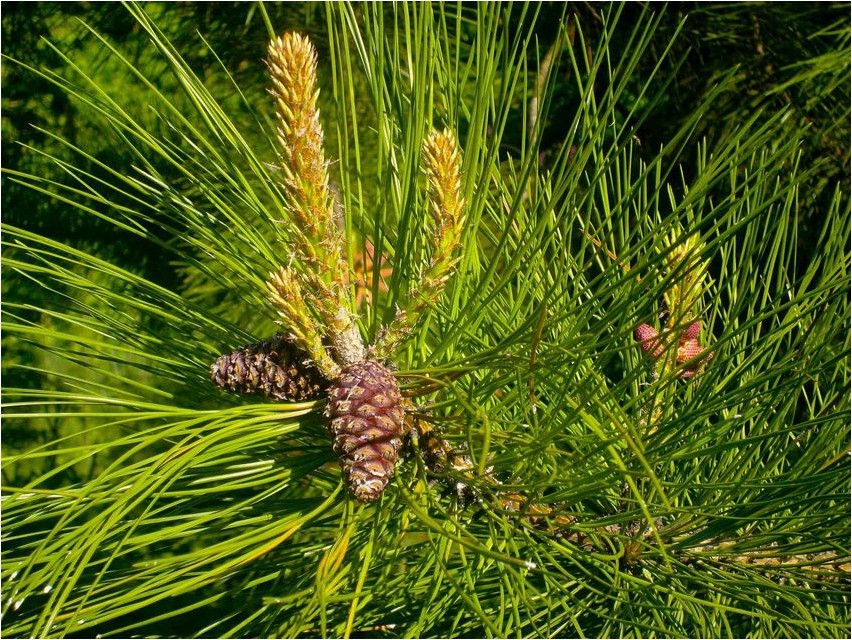
Some botanists believe that Heavy Pine also has a characteristic smell of turpentine, which indicates an increased content of terpenes (a class of hydrocarbons found in coniferous plants) in the tree. But others do not smell such a special smell.
Heavy pine is a very decorative tree. But due to its gigantic size, it is not suitable for every garden.
An ordeal
Despite its power, the Heavy Pine was partially burned and felled while participating in a nuclear weapons test operation in 1953 at a test site in Nevada, where 145 large trees were transported and planted. The blast wave did not spare the powerful creation of the Almighty, teaching a clear example to people. But for many, unfortunately, such lessons are not indicative.