Erica
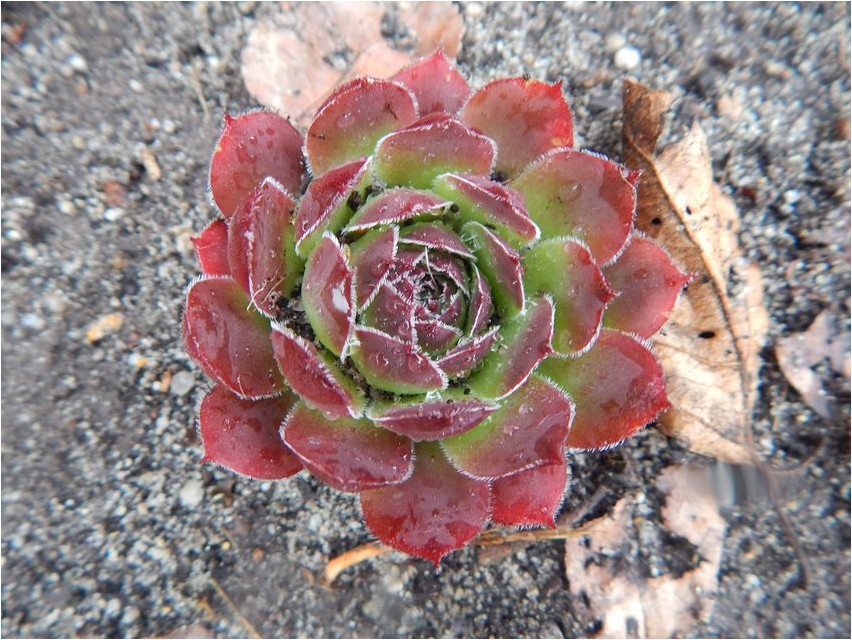
Erica (lat. Erica) is a genus of evergreen plants of the Ericaceae family, including about 800 species of subshrubs, shrubs and trees.
In nature, Erica is found on the islands of the Atlantic Ocean, the Mediterranean, Africa and the Caucasus. Along with Rhododendron, Erica is one of the largest genera, occupying 20% of the total number of species in the family.
Common types and their characteristics
*Ruddy or herbal Erica (lat. Erica carnea) is a type of slow-growing evergreen dwarf shrub with outstretched branches 0. 1-0. 4 m high and 0. 3-0. 5 m wide. The leaves are needle-shaped, bright green in color, with a shine; at low temperatures they acquire a bronze tint. The flowers are small, numerous, white, red or pink, drooping, collected in one-sided racemes, and have a light honey aroma. Erika ruddy blooms in April-May.
*Erica four-dimensional, or cross-leaved (lat. Erica tetralix) — the species is represented by branched shrubs 0. 3-0. 5 m high. The flowers are small, depending on the variety they can have a soft pink, red or white color. The leaves are medium-sized, gray-green, linear in shape. Erica four-dimensional blooms in July-August.
*Erica Darleyensis (lat. Erica darleyensis) — the species is represented by shrubs with outstretched shoots 0. 3-0. 5 m high. The leaves are dark green, linear. The flowers are small, lilac-pink. Erica Darlenskaya blooms profusely and for a long time. It is distinguished by relatively fast growth.

Growing conditions
Erica is a light-loving plant that grows well in open sunny areas. The culture is neutral towards light shading, but in illuminated areas the plants produce brighter flowers. Erica cannot stand the piercing northern winds. Soils for growing crops are desirable to be acidic, moderately moist, drained, and with a rich mineral composition. The Erika ruddy species tolerates only alkaline soils. The crop is sensitive to compacted soils.
Reproduction and planting
Erica is propagated by seeds, cuttings, layering and dividing the bush. For cultivars, only the vegetative propagation method is suitable. The seeds of the crop are sown in seedling boxes and wait for germination, then planted in separate pots and grown indoors for a year. Next spring, young plants are planted in the ground. Cuttings are carried out in early spring before flowering or 30 days after it. Erica seedlings are planted in April-May or September. The distance between plants should be about 0. 4-0. 5 m. The root collar is not buried when planting.
Care
Erica is moisture-loving; in hot and dry weather it needs abundant watering and spraying. Loosening and removing weeds is an equally important procedure for caring for the crop. Erica has a positive attitude towards feeding. Fertilizers are applied during planting, before flowering and after pruning. It is preferable to mulch the tree trunk area with peat, bark or wood chips. Pruning of adult plants is carried out in late spring, immediately after flowering. Young specimens do not need to be pruned. Erica is winter-hardy, but for the first 4-5 years after planting, it must be covered for the winter. Spruce branches or any other covering material are ideal for this purpose. The shelter is removed in April.
Application
Erica is highly decorative and looks great in group plantings. Dwarf forms fit harmoniously into rocky gardens, or rather, rock gardens and rock gardens. Erica is combined with rhododendron, thyme, cloves, low-growing thujas, junipers, yews, cypresses and ornamental grasses. Some species are used as container plants.