Savoy Cabbage
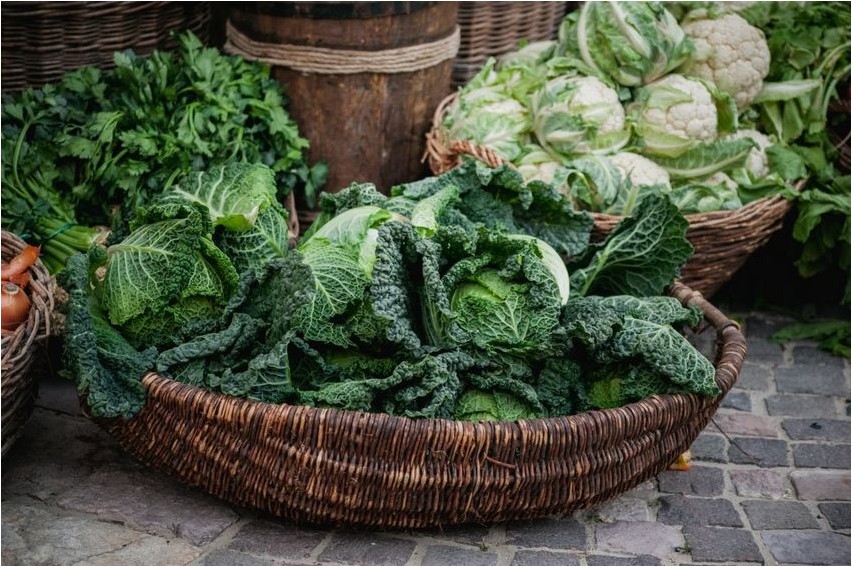
Savoy cabbage (Brassica oleracea L. convar. capitata var. sabauda) is a popular vegetable crop; it is a biennial plant belonging to the Brassicaceae, or Cruciferae, family.
This species has some similarities with white cabbage, forming large heads; the difference lies in the corrugated nature of the leaves. This species is native to the Mediterranean region. It is widely cultivated in Europe but is less common in the Russian Federation. This may be due to its lower yield and poor storage quality.
Description
Botanically, savoy cabbage is similar to white cabbage. As mentioned earlier, the difference lies in the foliage structure. It forms large, round or conical heads that are loose and often crack. Savoy cabbage is drought- and cold-resistant, though it”s not particularly resistant to diseases and pests.
Cultivation Features
Savoy cabbage is a demanding crop. Both location and soil composition are important. However, it doesn”t require a huge amount of nutrients. It loves the light, prefers open areas, and can be grown on mounds. Loose, moist, permeable soils with a neutral pH are preferred. The best predecessors for this plant are nightshades, cereals, and legumes. It is not recommended to plant this variety after cruciferous plants.
Soil Preparation and Sowing
Savoy cabbage seeds are treated before sowing: first, they are immersed in hot water for fifteen minutes, then transferred to cool water. Only then are the seeds placed in a micronutrient solution for 12 hours, placed under running clean water, and refrigerated for 24 hours.

This type of cabbage is most often grown from seedlings. Seedling containers are filled with a mixture of garden soil, river sand, and peat, taken in equal proportions. Humus should not be used in the mixture.
Before sowing, the soil is sprayed with a light pink solution of potassium permanganate. Savoy cabbage seeds for seedlings are sown in the first ten days of March; late varieties are sown in mid-March. Sow the seeds in rows, spacing them 3 cm apart. Place the seeds 1 cm deep.
Seedlings of early varieties of the crop in question are planted in early May, late varieties — in the third ten days of May — early June. Young plants are planted according to the scheme at a distance of 40 cm from each other. The area for Savoy cabbage is prepared in advance: the soil is dug up, organic matter is added and, if necessary, lime (if the soil is acidic). In the spring, the ridges are loosened and fed with phosphorus fertilizers. The addition of wood ash is encouraged.
Care
Savoy cabbage requires regular and moderate watering. Immediately after planting cabbage seedlings in open ground, watering is carried out at least 2 times a day for a week. Later, savoy cabbage is moistened every 4 days. After each watering, carefully loosen the soil, trying not to damage the roots.
Fertilizing also has a positive effect on plant development. The first time they apply complex mineral fertilizers, supplemented with microelements, the second time — using urea (at the beginning of hardening the seedlings), that is, 1-2 weeks before planting. The last feeding with liquid mullein is carried out 3 weeks after planting the seedlings.
Otherwise, caring for savoy cabbage is standard. It is important to take care of the health of plants, because insects and diseases can harm them. Plants are most often affected by blackleg, clubroot, and downy mildew. Dangerous pests include cabbage flies and cruciferous flea beetles. You can fight them with herbal infusions and insecticides.





