How to choose a lamp for an aquarium: selection of lamps, fixtures
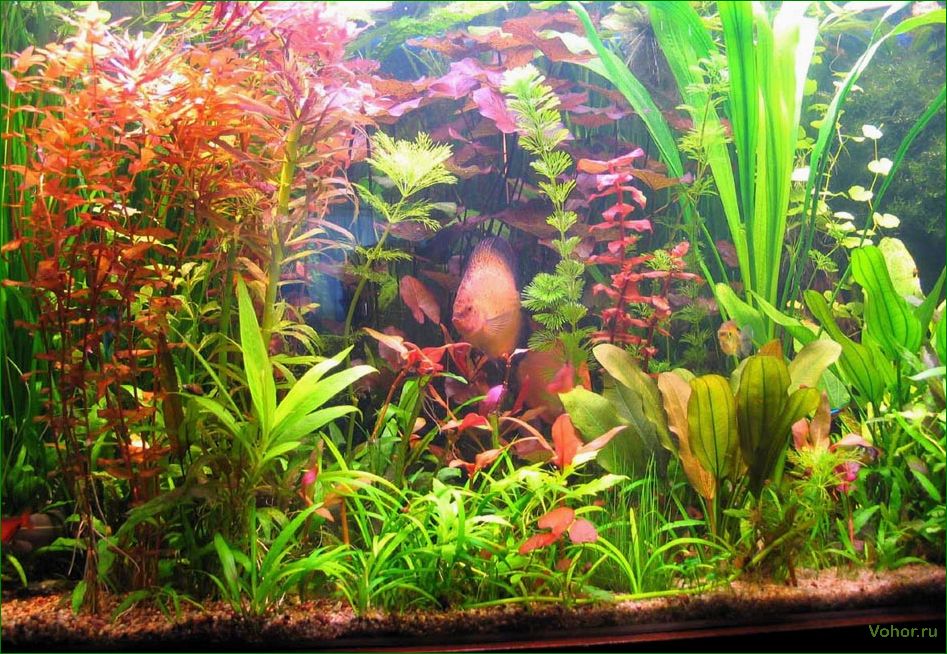
Correct and precisely selected lighting for an aquarium is an important element of successful fishing, proper plant growth and the acquisition of beautiful corners of wildlife in your home, apartment or office. In specialized stores you can find a variety of devices for lighting artificial decorative tanks. Therefore, it is important to study the main types of devices and become familiar with their features, advantages and disadvantages. This article will discuss which lamps are suitable for aquariums and how to choose lighting in general.
Contents of the article:
How to choose lighting for an aquarium: power, intensity, location
When choosing lamps for aquariums, it is important to consider parameters such as power, intensity and location of the light source. Let’s discuss each of them in more detail.
On the issue of power
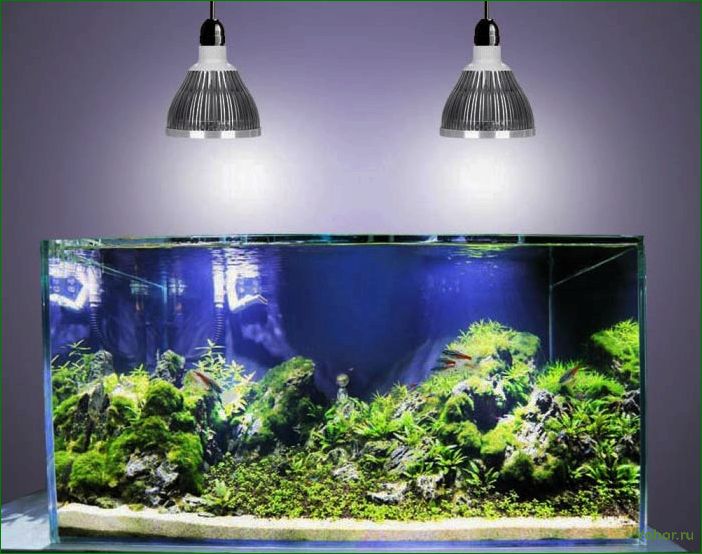
When calculating this indicator, you should take into account the size of the aquarium. The best option is 0. 1-0. 3 W per liter of water. It should be understood that the data is adapted to empty aquariums without plants, inhabitants and decorative elements. Therefore, when calculating capacity, it is necessary to take into account not only the volume, but also the number of fish and stocking density. The approximate parameters are as follows.
- 2-0. 4 w/l – this power is sufficient when creating plants with heat-loving fish (night fish, catfish) and there is no need to create special conditions regarding lighting;
- 4-0. 5 w/l – in an almost universal solution for aquariums with an average number of plants and fish, the plants feel good and tend to the light source;
- 5-0. 8 w/l- It is necessary to ensure that plants with unusual flowers are decorative. For example, humidity, peaches, rotania are planted in artificial home ponds. Good lighting is necessary to maintain bright leaf patterns;
- 8-1 w/l – this indicator is recommended for herbal aquariums containing ground cover plants.
Difference between power and lighting intensity
Consider the lighting intensity of the aquarium. The same aquarium lamp can produce a luminous flux measured in lumens. The required indicator is calculated by dividing the total number of lumens by the volume of the aquarium. The results are assessed as follows.
- 50 LM/L – high level;
- 25-50 LM/L – average level;
- 15-25 LM/L – low level.
Light source location
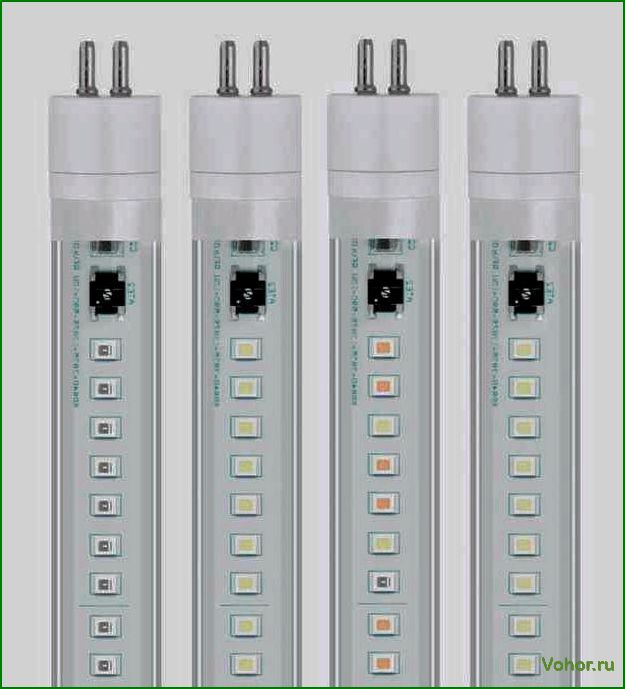
Calculating lighting indicators is indeed very important, but they also need to be taken into account. Pay attention to the location of the light source. Placing the device above the aquarium is considered optimal and most effective. In the first case, the aquarium lamp is suspended above the surface of the water, and in the second, it is installed under a lid (a simpler and more budget-friendly option).
To ensure even distribution of light, special reflectors must be used. Thus, light can penetrate even into the far corners of the aquarium. Aquariums are covered with plants and decorative compositions. If the aquarium is deep and the light does not reach the bottom, you will need to purchase additional light sources. They are installed on the bottom and side walls. With their help you can also achieve unusual visual effects.
Important. Monitor whether there is too much heat energy from the immersion device. This can negatively affect the condition of fish and plants. The solution to the problem is high lighting fixture offset and the use of cooling equipment (coolers).

Which lamps are best for an aquarium – types and their advantages
By type, aquarium lamps can be divided into:
- Incandescent and halogen;
- Metallurgical;
- Luminescent;
- LED.
Incandescent and halogen light sources
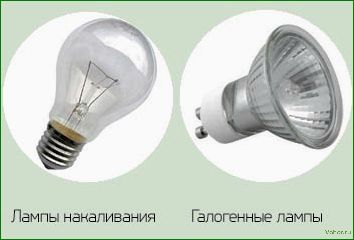
Both types of devices are rarely used for lighting aquariums. This is due to the fact that the amount of useful light is small – the lamps heat the water more than illuminate it. In addition, the service life of such light sources is short (for halogen lamps it is somewhat longer, but still insufficient). So the disadvantages are:
- Low efficiency, which is about 3%. The main amount of energy is spent on increasing the temperature of the water, but this is impractical;
- High cost of electricity. Considering the fact that aquariums are lit on average for about 12 hours a day, the costs can be significant;
- The need for constant replacement. Such lamps in aquariums often burn out, so spare devices should always be on hand.
At the same time, one cannot fail to note the advantage of such light sources. They give a spectrum very close to the sun (that is, natural). Product prices are low.
Metal halide lamps
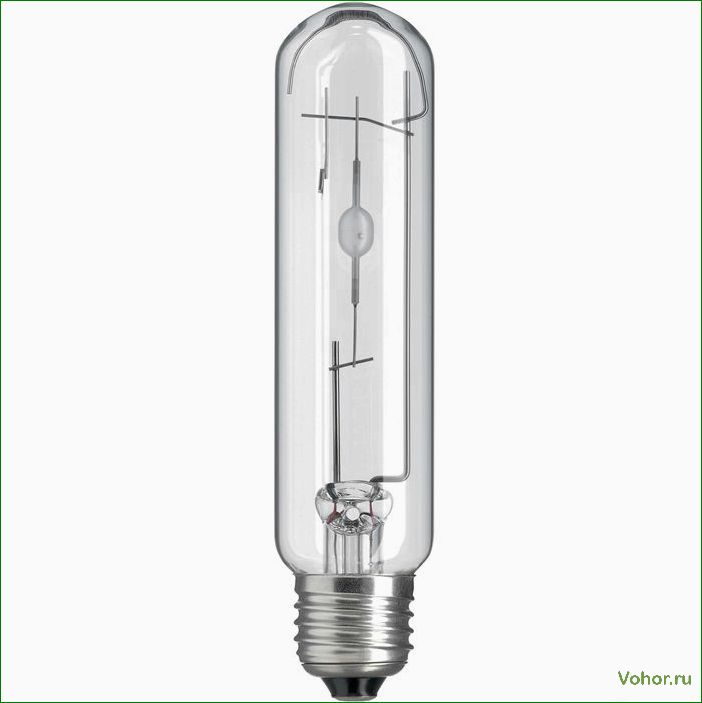
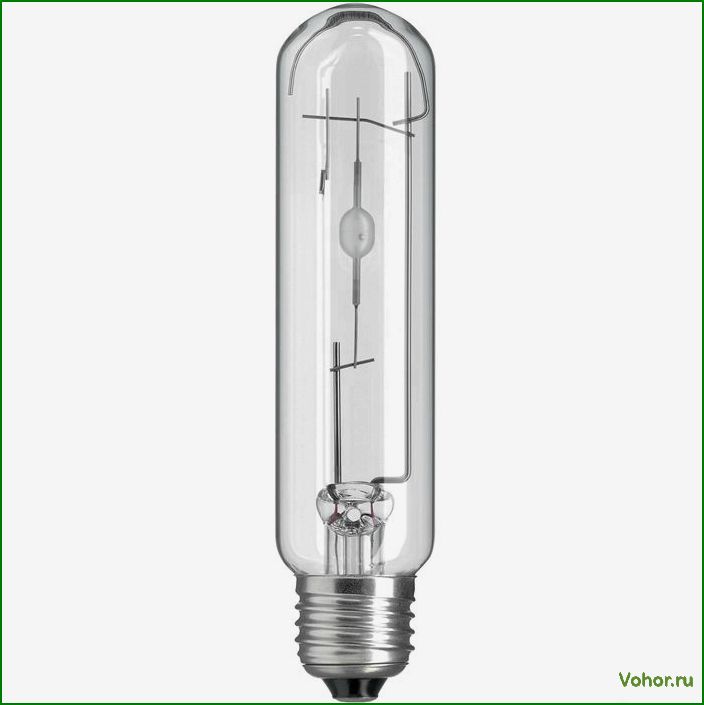
Such devices are often chosen for lighting aquariums. Of course, there are limitations. The height of the tank should not exceed 0. 6 m. According to experts, the advantages of metal-type devices include:
- The combination of price and availability of lamps and their efficiency;
- Easy to select the required power;
- Supply of light flux in a direction with a temperature from yellow to blue.
The last point means that in compact aquariums you can create the most comfortable conditions for fish and algae. It is also worth noting that they provide a good level of visibility of objects in the aquarium.
For all their advantages, metal halide lamps also have a disadvantage. It lies in the fact that they heat up intensely. In addition, they must be equipped with a suspension above the water level at a distance of at least 0. 3 m. In addition, the devices must be regularly turned off and cooled (on average every 1. 5-2 hours). This problem can be solved by installing a fan.
Important. When using such lamps, safety precautions must be observed. They must be followed carefully to avoid burns. Also, do not create surfaces with skin on the device. Printed material may negatively affect the quality of light output.
The best metal halide lamps are suitable for marine reef aquariums with plants and fish.
Fluorescent lamps
Such devices for lighting aquariums are used very often. They are gas-discharge devices with mercury or inert gas vapor. The main advantages of fluorescent lamps are:
- Efficiency – low energy consumption;
- Intensity – high-quality lighting can be created in aquariums, since the bulbs are coated with phosphors. This provides the necessary lighting effect;
- Low thermal output (there is no intense heating of water);
- Versatility – fluorescent devices are suitable for aquariums with linear parameters, since such lamps have a high color rendering index and the light is scattered;
- Most sizes (length 20-120 cm) and diameters (16, 26, 28 mm); availability of lamps of various powers (8-80 W); different luminous flux intensities (blue, red, spectrum, daylight, daylight, white light, etc.; d.).
Fluorescent lamps also have disadvantages. These include the following:
- The need to use an adapter-regulator in the form of a choke or electronic ballast to connect;
- Frequent replacement of lamps (every 7-12 months) due to wear of the phosphor layer;
- Presence of potentially hazardous substances in the flask. This requires special disposal of the light source.
LED lamps
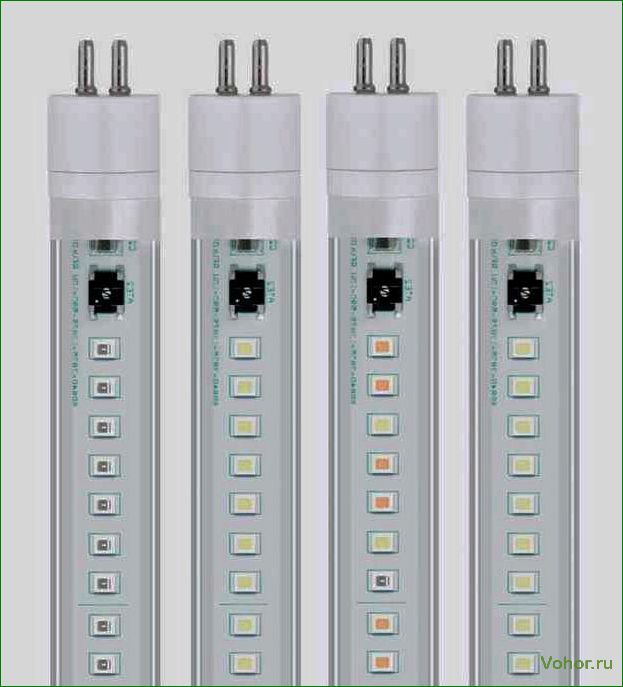
Many aquarium owners still decide to buy LED lamps. This is not surprising, because such products have many undeniable advantages. The main advantages are:
- Low power consumption;
- No flickering or heat generation;
- Versatility, LED devices are suitable for marine and freshwater aquariums;
- Achieving original color effects (changing lighting can be stressful for aquarium inhabitants and should be used with caution);
- Reflectors are not required;
- A large selection of LED light sources is represented by strips, individual LED components, spotlights, panels and lamps.
Among the disadvantages of LED lamps are the high cost (especially when purchasing models with high power and special protective functions) and the lack of research into their impact on the inhabitants of the aquarium.
Using combined lighting
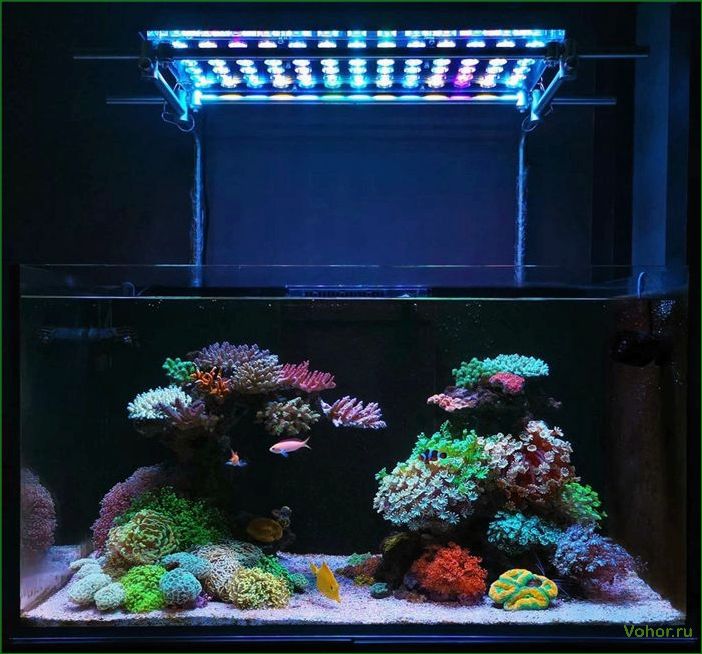
When choosing lamps for aquariums, you can consider lighting combinations. As practice shows, the use of several different types of devices can give good results in the growth of aquarium fish and other inhabitants, as well as optimal intensity of plant growth.
For combined lighting, two or three types of aquarium lamps are most often used. They are installed on special panels. Each light source has its own specific characteristics, thereby providing high-quality and energy-saving lighting. The most common combinations are.
- LEDs + fluorescent lamps;
- Metal halide + fluorescent;
- LED + fluorescent + metal halide lamps.
When choosing the right combination, you should also consider the temperature of the light output. This is because different plants and fish species have different optimal values. The main goal of creating a combined backlight is to obtain a spectrum that is as close in parameters as possible to natural sunlight.
Features of the lighting mode
For proper growth of fish and plants, it is necessary to set a certain frequency of turning on/off the light source.
Experienced aquarists know all the intricacies of this process, but in most cases, beginners have many questions. Adjustment of daylight should be carried out taking into account the characteristics of the fish and the degree of illumination of the area in which the aquarium is located.
For most fish, the optimal lighting period is 12 hours. If low-power lamps are used, the lack of light is not compensated by increasing the number of time segments turned on. This approach is beneficial, but also entails negative consequences in the form of algal blooms. This requires draining it and washing the container more often.
If the aquarium is located in a room with natural light, this reduces the time spent on the light source. During the day there is simply no need for this. You should use the device only in the evenings and at night. If the aquarium is located in a room where daylight is truly unavailable, the device should be kept on longer.
The issue of light intensity in aquariums should not be overlooked. During the day, this indicator for fish should be changed. For normal development of fish, only 3-4 hours of bright light is enough. After this, its brightness must be reduced. The easiest way to do this is to use a special toothpaste. Where possible, it is recommended to install temporary relays. This is a way to automate the process of maintaining daylight hours and does not require remembering the need to adjust the device. There are now a wide variety of devices on the market that can be configured and programmed manually.
Basic rules when choosing lighting in an aquarium
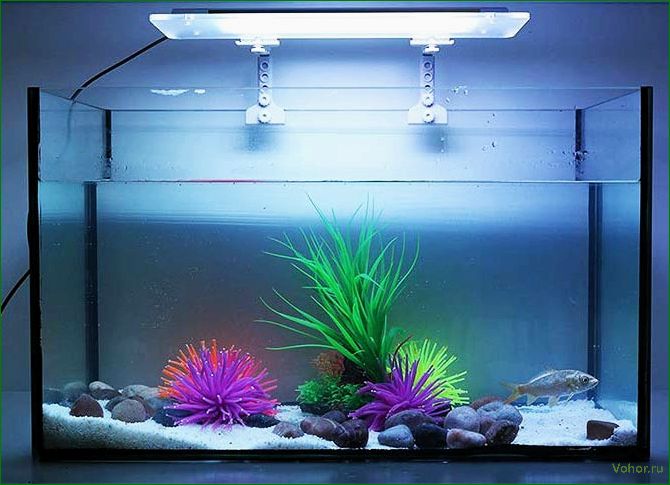
When creating lighting in aquariums, you must remember that plants are not primarily needed by fish. Without light from special devices, the process of photosynthesis cannot occur, and the development of flora slows down and then stops altogether. As for fish and other inhabitants of the aquarium, they need light mainly so that the correct mode of passivity/activity is formed during the day.
When creating lighting and operating the device, a number of important rules must be observed:
- Protect the lamp. Lighting devices do not tolerate contact with water. Always use a protective cover that prevents liquid from entering the lamp. In some cases, this problem can be solved by using glass covers;
- Uniform light distribution. Avoid a situation where one part of the aquarium is constantly exposed to intense light, while the other remains in the shade. This leads to problems with plant growth and, as a result, poor conditions for keeping fish. In addition, uneven lighting negatively affects the aesthetics of the underwater composition and reduces the visual impact of the aquarium;
- Correct calculation. Be careful when choosing lamps for aquariums. They must have sufficient power and optimal intensity. By examining the markings applied to the surface, you can glean information about the technical characteristics of the device;
- Use devices of different spectra. The lighting should be such that both blue-violet and red-orange spectra are present. This is necessary for the normal development of vegetation. The wrong choice of device can lead to intensive growth of algae and determine the need for frequent cleaning of the aquarium or its death;
- Buy high quality products. Use devices and mounts that are strong, reliable, durable and environmentally friendly. They help establish the correct biorhythms for fish and plants and emphasize the beauty of nature.
What lamps are best for an aquarium?
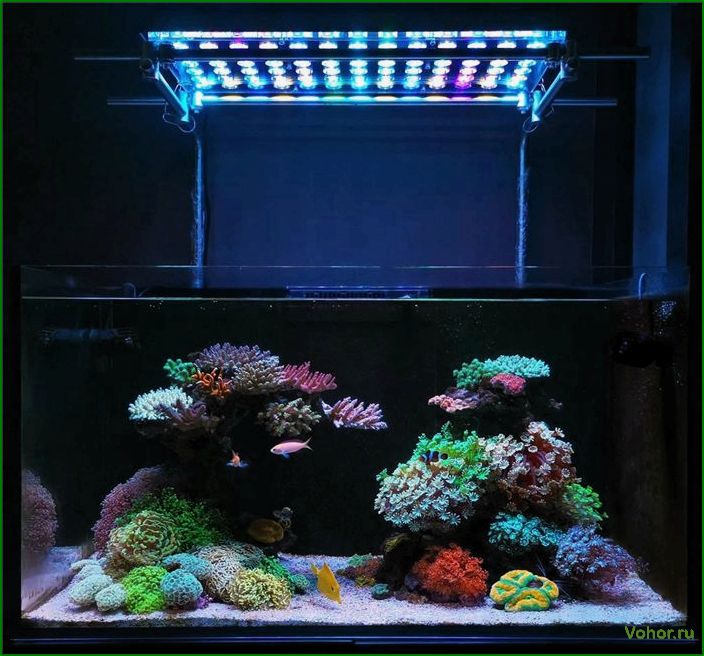
When choosing lighting fixtures for aquariums, remember the linear parameters and characteristics of the fish breed. Before purchasing a lamp, you should measure the height and total volume of the water layer. The larger the container, the more powerful the device will provide lighting throughout its entire thickness.
It is also necessary to understand the goals that are set for lighting. If it is necessary to ensure proper algae growth, it is better to use lamps with radiation in the orange-red spectrum. Do you need to stimulate fish reproduction? Use a device that operates in the blue-violet spectrum.
It is important to choose the right lamp size and choose an even distribution of light over the entire area. In most cases, the lamps are installed above the aquarium. The installation height depends on the type of lamp: if LED and fluorescent models are used, they should be placed 8-12 cm above the water level.
Lighting carries both practical and aesthetic meaning. With proper organization, you can achieve amazing visual effects, highlight the brightness of algae and the shine of fish scales.
Good aquarium lights include:
- Reliability of installation and safety of the device for vegetation and aquarium inhabitants;
- The naturalness of lighting should be as close as possible to daylight in intensity and other parameters;
- Low heat transfer; the use of lamps should not fundamentally affect the temperature of water in glass containers;
- Economical, modern energy lamps work for a long time and do not require frequent replacement.
The Laguna manager describes each lamp model presented in the online catalog.


