Slugs, how to deal with them
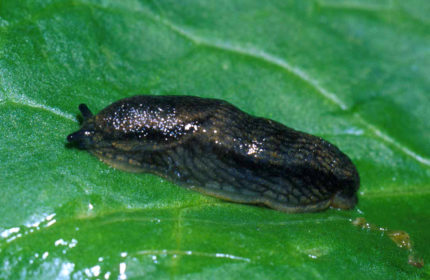
Slugs are the most unpleasant and very voracious pests in the garden and vegetable garden. In cloudy and rainy but warm weather they multiply very quickly, and the damage they cause in the garden is great. These naked creatures are born from eggs laid in the soil last season. They reach sexual maturity at two months. Slugs eat almost all vegetable and berry crops; they prefer young leaves, which are completely destroyed; they gnaw out the wide leaves of plants so that photosynthesis is disrupted and the plant may die. They love strawberries very much; they gnaw these berries and get inside.
These animals feed at twilight and at night, as well as in rainy weather. It is very difficult to fight slugs, because during the day they hide in crevices between earthen lumps, in dense thickets of weeds, between the stems of dense plants — where the sun cannot reach them. Slugs are unpleasant gastropods, but they also play a certain role in the biogeocenosis of a garden plot. Slugs destroy damaged plant leaves and process fallen leaves, contributing to the formation of humus. Therefore, the fight against them should not be all-out, but it is better to stick to “soft” methods. And so that get rid of from these mollusks, there are various methods.
Fighting methods
Mechanical methods involve collecting slugs and then destroying them. Traps are used for this. Traps can be a container or unnecessary glassware, dug into the ground at ground level, shaded and filled with juice-containing liquid. In the morning, traps should be emptied and the solution changed. The trap is an armful of weeds, picked in the morning and placed in the shade; on a hot day, slugs hide from the heat and sun in these shelters, but at night they go out hunting, so they need to be removed and destroyed before the cool of the evening sets in.
Biological protection against slugs includes a special nematode, which parasitizes only on slugs and snails. This nematode is sold live in capsules in specialized stores. It is enough to dilute with water and treat a certain area with biomaterial and the parasite will finish off the slugs and die itself. Toads, hedgehogs, and carnivorous beetles—fireflies, which readily eat slugs—can also be involved in biological protection.
The agronomic method consists of proper agricultural technology in the garden plot, destruction of weeds, and joint planting of plants that repel pests. Such plants include hyssop, sage, lavender, rosemary.
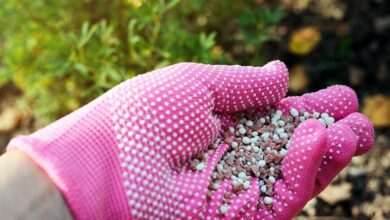
Chemical control of slugs involves the use of metaldehyde granules, but the problem is that these granules are poisonous to domestic animals and humans, so the treatment can only be carried out on plants that are not eaten, for example, in a flower bed, around the shady side of buildings, where mainly weeds grow.
Caffeine solution is very harmful to slugs, so periodically treating plants with a cold coffee solution will protect them from the invasion of the slippery pest. It is also good to spray the plants with infusion of mustard, wormwood, hot pepper or garlic.