Soldering a geyser heat exchanger: basic principles and recommendations
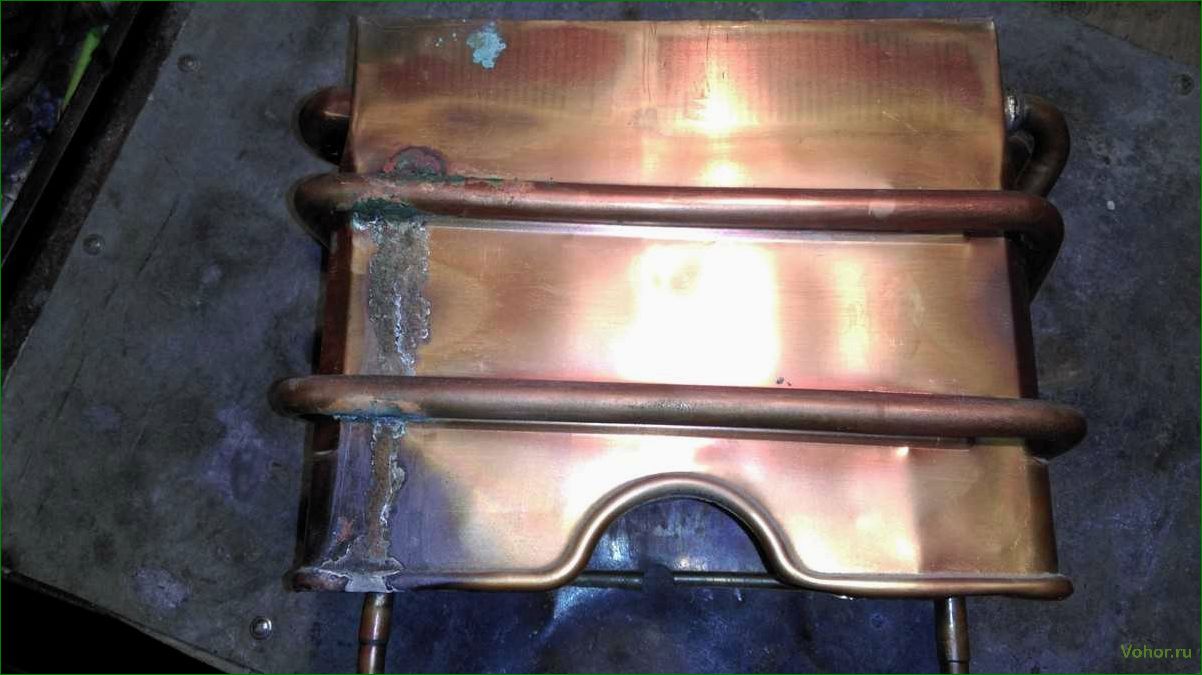
Soldering the heat exchanger of a geyser is an important step in the process of its production and repair. The heat exchanger is one of the key parts of a geyser, responsible for transferring heat from hot gas to cold water. Correct soldering of the heat exchanger ensures the reliability and efficiency of the column.
Contents of the article:
to solder the geyser heat exchanger, a special solder is used, which has a high melting point and good adhesion to the metals from which the heat exchanger is made. Solder usually contains alloys of copper, silver or brass, which have high thermal conductivity and resistance to corrosion.
It is important to note that soldering of the heat exchanger should be carried out by professionals with experience working with geysers. Improper soldering may result in gas leakage or ineffective heat transfer, which may cause an accident or malfunction of the speaker.
When soldering the heat exchanger, certain technological requirements must be observed. It is important to clean metal surfaces from oxides and contaminants to ensure good solder adhesion. It is also important to properly heat and cool the heat exchanger to avoid deformation and stress in the metal.
Correctly performed soldering of the geyser heat exchanger guarantees its durability and operating efficiency. Therefore, it is necessary to contact only experienced specialists in order to be confident in the quality and reliability of the gas water heater.
Soldering the heat exchanger
A heat exchanger is a device that is used to transfer heat between two media. One of the key operations in the manufacture of a heat exchanger is soldering, which allows for a reliable connection between the elements of the heat exchanger and ensures efficient heat transfer.
Soldering a gas heat exchanger columns are the process of connecting various elements of a heat exchanger using special solder. Solder is an alloy that has a low melting point and adheres well to the metals from which the heat exchanger elements are made.
The process of soldering a geyser heat exchanger includes several stages:
- Preparation of surfaces of heat exchanger elements. Surfaces must be clean and free of grease to ensure good solder adhesion.
- Applying solder to the surfaces to be joined. Solder can be applied in the form of a wire or paste that heats up and melts upon contact with the surface.
- Warming up and soldering. After applying solder to the surface of the heat exchanger elements, heating occurs to the melting temperature of the solder. When a certain temperature is reached, the solder melts and fills the space between the elements being connected.
- Cooling and securing the connection. After soldering, the heat exchanger elements are cooled to room temperature, while the solder hardens and provides a strong connection.
When soldering a geyser heat exchanger, it is necessary to take into account the characteristics of the materials from which it is made. Some materials may be more sensitive to high temperatures, so it is necessary to select the correct soldering temperature to avoid deformation and damage to the heat exchanger elements.
An important aspect when soldering a geyser heat exchanger is also the correct choice of solder. The solder must have the necessary characteristics, such as melting point, bond strength and compatibility with the materials of the heat exchanger elements.
Soldering a geyser heat exchanger is a complex and responsible operation that requires certain skills and knowledge. Correctly performed soldering ensures a reliable connection of the heat exchanger elements and guarantees effective heat transfer, which in turn affects the operation of the geyser.
If it is necessary to solder the geyser heat exchanger, it is recommended to contact specialists who have experience and knowledge in this field and will be able to perform this operation efficiently and safely.
Geyser
A gas water heater is a device that is designed to heat water using a gas burner. It is one of the most popular and effective ways to provide hot water in a house or apartment.

Operating principle
The gas water heater operates on the basis of mixing gas and air, which are supplied to the burner. When the gas is ignited, a flame is formed, which heats the heat exchanger. The heat exchanger in turn transfers heat to the water that passes through it. Thus, the water heats up and becomes hot.
Heat exchanger
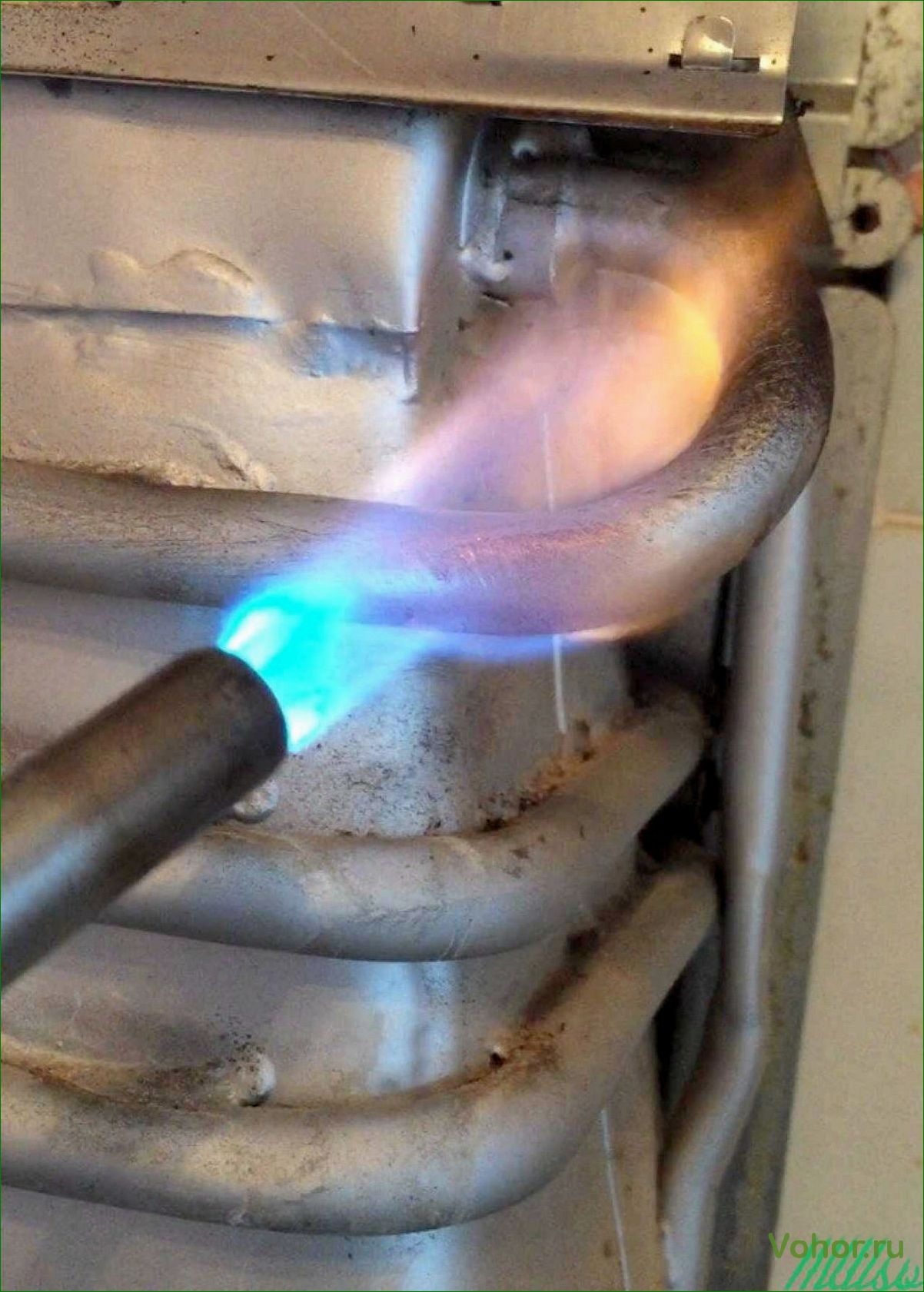
The heat exchanger in the geyser plays a key role in the process of heating water. It is a special system of tubes or plates that ensure maximum contact of water with hot gases. Thanks to this, the heat exchanger effectively transfers heat from the burner to the water.
Soldering the heat exchanger
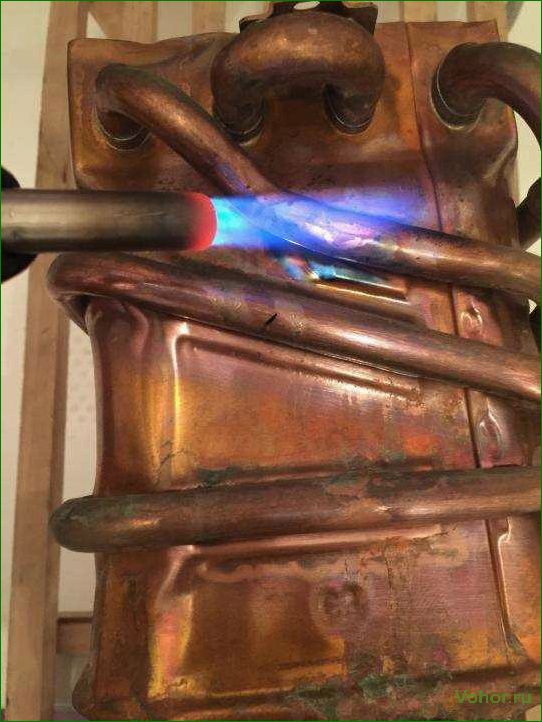
Soldering the geyser heat exchanger is an important stage in the production and maintenance of this device. It is performed to ensure the tightness of the heat exchanger and prevent gas leakage. Soldering is carried out using soldering paste and a blowtorch. It is important to choose the right material for soldering and monitor the quality of this operation.
Regular Maintenance
To ensure safe and efficient operation of the geyser, regular maintenance is necessary. This includes checking and cleaning the burner, checking the tightness of the heat exchanger, checking the gas pressure and other preventive maintenance. It is recommended to service the geyser at least once a year.
Conclusion
A geyser is a reliable and effective way to provide hot water. It works on the principle of mixing gas and air and using a heat exchanger to transfer heat from the burner to the water. Proper soldering of the heat exchanger and regular maintenance guarantee the safety and durability of the gas water heater.
Soldering process
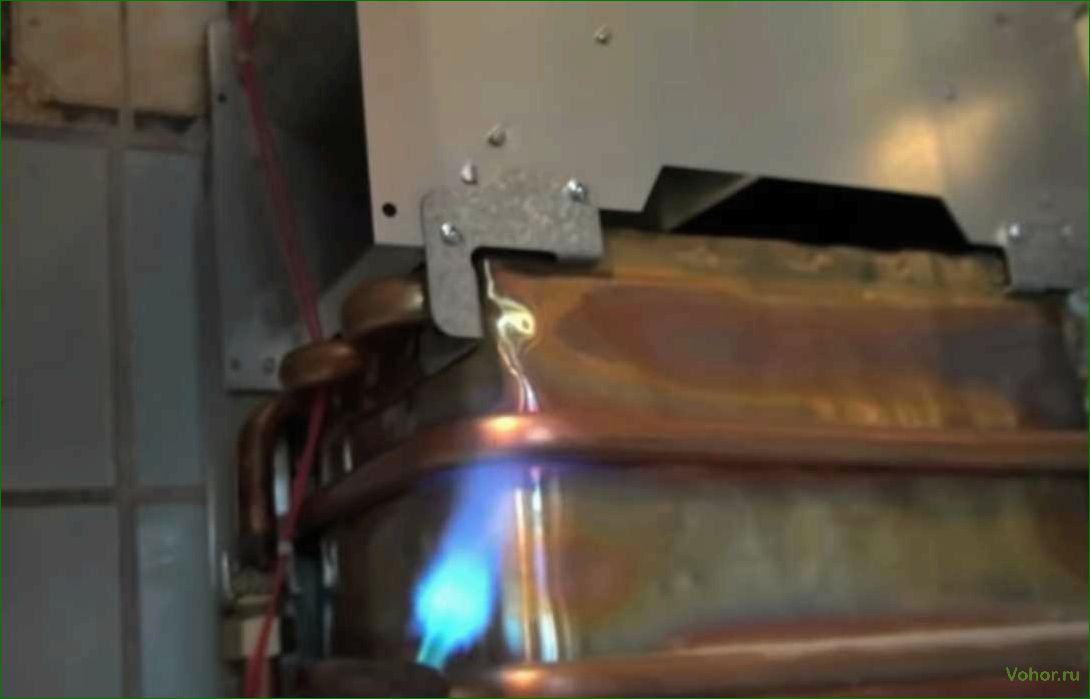
Soldering the heat exchanger of a geyser is one of the important stages of its production and maintenance. Soldering is necessary to ensure tight connections and effective heat dissipation.
The soldering process consists of several stages:
- Surface preparation. Before soldering, it is necessary to clean the surfaces that will be joined. A special brush or abrasive material can be used for this.
- Application of flux. Flux is a special substance that helps remove oxide films from the metal surface and create conditions for good wetting of the solder. Flux is applied to the surfaces to be joined.
- Heating. The parts being connected are heated to a certain temperature, at which the solder begins to melt and wet the metal surface.
- Solder application. Fusible solder is applied to the surfaces to be joined. The solder should be evenly distributed and fill all the spaces between the parts.
- Cooling. Once solder is applied, the joint cools and hardens, forming a strong, airtight joint.
It is important to note that brazing a gas water heater heat exchanger must be performed by a qualified professional using specialized equipment and tools. Incorrect brazing can lead to gas leaks or malfunctions in the water heater.
Braking a gas water heater heat exchanger is a critical and important task that requires careful execution of all stages. Proper brazing ensures efficient operation and longevity of the water heater.
Technical aspects
When brazing a gas water heater heat exchanger, several technical aspects must be considered to ensure reliable and efficient operation of the system.
1. Selection of material for soldering
One of the key factors is choosing the right brazing material for the heat exchanger. Copper or brass solders are commonly used for this purpose. They have good thermal conductivity and are resistant to high temperatures.
2. Surface preparation
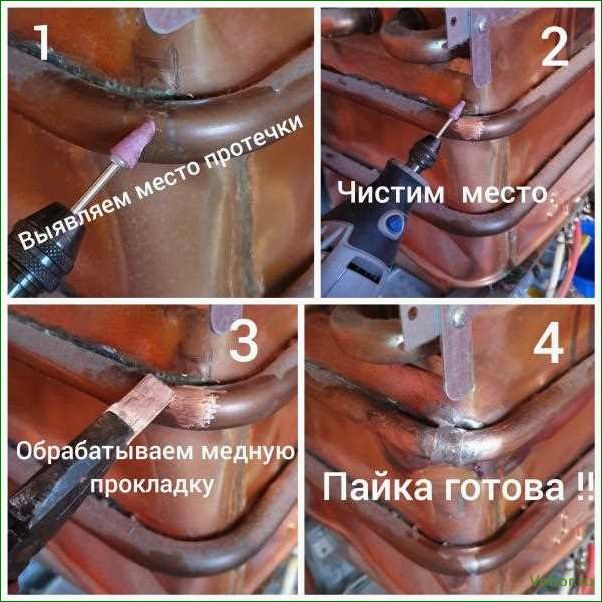
Before brazing, thoroughly clean the heat exchanger surface of oxides, grease, and other contaminants. For this purpose, you can use specialized cleaning agents or mechanical means, such as brushes or abrasives.
3. Arrangement of elements
It is important to correctly arrange the heat exchanger components before brazing. Their relative positions and connections must be considered to ensure optimal heat transfer and minimize the possibility of gas leaks.
4. Soldering technology
Open-air brazing with a blowtorch or torch is typically used to braze a gas water heater heat exchanger. Temperature control and uniform heating of the brazed components are essential to ensure good adhesion and avoid deformation.
5. Quality control
After brazing, quality control must be performed. This includes checking for gas leaks, checking for uniform heating, and testing heat transfer. If problems are detected, additional measures must be taken, such as re-brazing or replacing damaged components.
Careful adherence to technical aspects when brazing a gas water heater heat exchanger ensures reliable and efficient operation of the system for a long time. Brazing Features
Soldering Features
However, when brazing a gas water heater heat exchanger, several factors should be considered:
Selecting solder wire material. When soldering the geyser heat exchanger, it is recommended to use a special soldering wire, which has high corrosion resistance and good thermal conductivity. This ensures the durability and efficiency of the heat exchanger.
- Surface preparation. Before soldering, it is necessary to thoroughly clean the surfaces that will be joined. This removes oxidized layers and dirt, providing a better connection.
- Uniform heating distribution. When soldering a geyser heat exchanger, it is necessary to evenly heat the joint to avoid deformation or destruction of the elements.
- Using flux. Flux allows you to protect the soldering area from oxidation and ensure a better connection. When choosing a flux, consider compatibility with heat exchanger materials.
- Soldering a geyser heat exchanger is a responsible process that requires certain skills and knowledge. If soldering is incorrect, gas leaks or damage to system elements may occur, which can lead to accidents or reduced efficiency of the column.
Therefore, it is recommended to entrust soldering to professionals who have the experience and necessary tools to perform this operation.
Soldering a geyser heat exchanger: basic principles and recommendations


