Apple
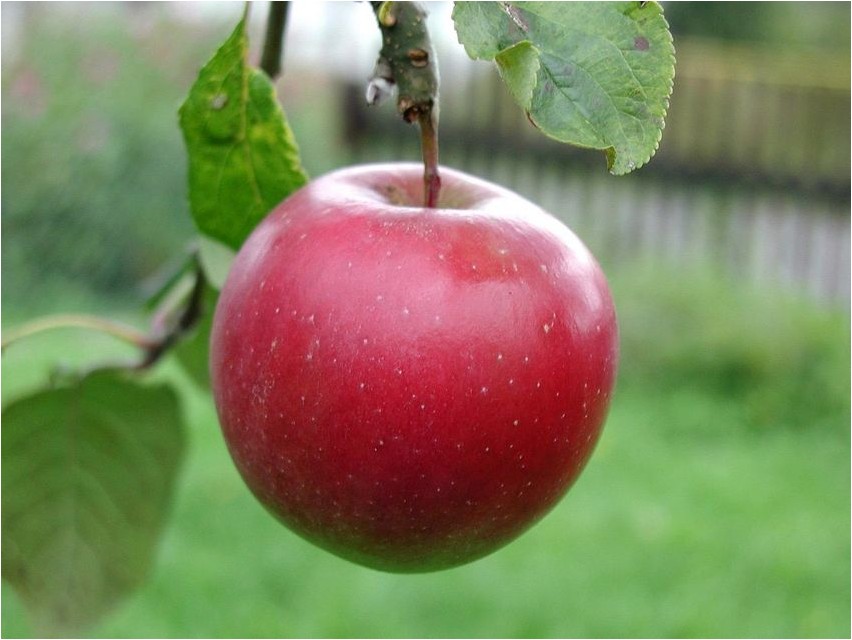
Apple (lat. Malus domestica) is one of the most famous fruits in the world, growing on fruit trees belonging to the Rosaceae family.
Where does it grow
The Central Asian expanses are considered to be the birthplace of apples. By the beginning of the Bronze Age, luxurious apple orchards could already be found in Persia, and this culture came to Europe thanks to Roman legionnaires. Currently, apple trees grow on almost the entire globe, with the only exceptions being the subarctic and arctic climate zones. As for apple varieties, there are currently several hundred of them.
Application
Apples are readily eaten not only fresh, but also in processed form — they can be used to prepare a great variety of tasty and nutritious dishes.
These fruits contain a huge amount of useful substances that saturate the body, energize and stimulate the central nervous system. And it is customary to say about people who love them that they are endowed with an active life position.
These fruits contain up to eighty percent water, as well as citric, tartaric and malic acids, which, harmoniously combined with tannins, help eliminate the processes of decay and fermentation occurring in the gastrointestinal tract. You simply cannot think of a better medicine for various digestive organs! And since they have very few calories, they can be consumed in any quantity without any concern for your figure.
The pectin contained in apples gives these delicious fruits a mild laxative effect — in order to prevent possible constipation, experts recommend eating a couple of small or one fairly large apple every morning on an empty stomach.

There is twice as much iodine in apples as in bananas (there is especially a lot of this substance in the seeds — to cover the daily requirement for iodine, it is enough to eat only five or six seeds, however, you should not abuse them, because they also contain a small amount of toxic substances), and they also contain quite a lot of vitamins C and A.
It is also important to know that apples stored for a long time gradually lose their beneficial properties. After six months of storage, the amount of vitamins they contain decreases tenfold. As for drying, during this process the amount of nutrients in apples is reduced by two or three times, but then it remains unchanged for a long time.
Apples help strengthen the walls of blood vessels, have a beneficial effect on the immune system and are an ideal remedy for both the prevention of urolithiasis and the cure for it. Apples also have a choleretic effect, which makes them an excellent preventative against cholecystitis and cholelithiasis. And a large amount of phytoncides gives these fruits a powerful antimicrobial effect.
Apples have an equally beneficial effect on the lymphatic system — this is due to their excellent blood-purifying properties. And if you use them regularly, you can prevent such unpleasant ailments as rheumatism and atherosclerosis, as well as the process of gradual destruction of brain cells.
A one-day apple diet can help reduce cholesterol levels by thirty percent at once; in addition, such a diet is an excellent prevention of oncology.
Contraindications
Some varieties of apples can harm teeth — as a rule, these are southern varieties, which are characterized by a rather impressive sugar content. To neutralize sugar after eating juicy fruits, it is quite enough to simply brush your teeth with toothpaste or rinse your mouth thoroughly with a soda solution.
As for sour varieties, it is better not to consume them for people suffering from gastritis with high acidity, as well as for anyone who has had to deal with peptic ulcer of the duodenum and stomach.


