Alpinia
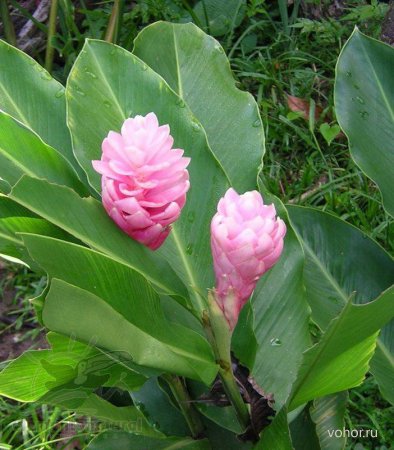
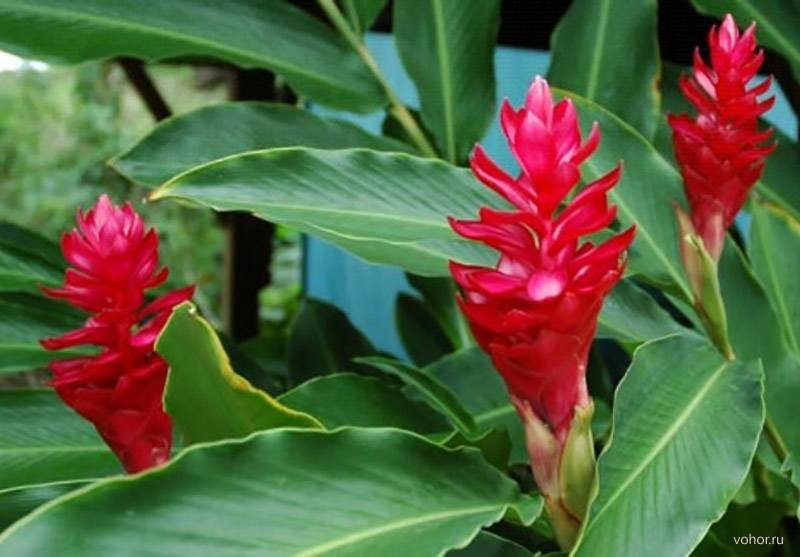
Alpinia is one of the beautiful flowering perennial plants that are most often grown as indoor plants. The plant tribe has more than 250 different images. The image of a is mostly entertaining. drooping, as well as a. Sandera.
Alpinia preferably chooses illuminated spaces in the closet; the presence of this plant should be protected from direct sunlight. To grow a flower, a substrate made from a mixture of soil, humus and sand is suitable. The presence of planting is ensured by satisfactory drainage, for example from expanded clay. During only the growing season, from spring to autumn, the flower is kept at a temperature of 20-25 degrees. During this period, the flower seeks complete watering and frequent spraying with water. The plant is sprayed throughout its entire age. even in winter. Once every two weeks, from April to October, the plant is fed with complex mineral fertilizers. After flowering ends, the faded shoots are cut off.
Types of alpinia
1. Medicinal
2. Purple
3. Yellow-fruited
4. Drooping
5. Sandera
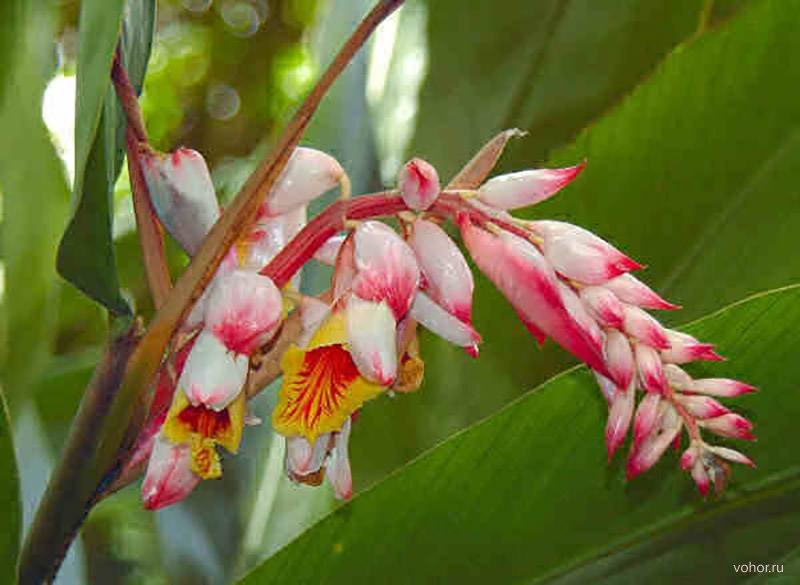
Care and cultivation of alpinia
Alpinia preferably chooses illuminated spaces in the closet; the presence of this plant should be protected from direct sunlight. To grow a flower, a substrate made from a mixture of soil, humus and sand is suitable. The presence of planting is ensured by satisfactory drainage, for example from expanded clay. During only the growing season, from spring to autumn, the flower is kept at a temperature of 20-25 degrees. During this period, the flower seeks complete watering and frequent spraying with water. The plant is sprayed throughout its entire age. even in winter. Once every two weeks, from April to October, the plant is fed with complex mineral fertilizers. After flowering ends, the faded shoots are cut off.
In winter, the plant experiences a period of dormancy, during which the flower is fed at a temperature of 12-15 degrees. During the winter period, watering the plants is reduced, watering in accordance with the limit of the thick drying of the substrate.
From February to March, the flower is replanted. Young plants are replanted annually, adult specimens are replanted every 2-3 instars.
Reproduction
Alpinia is propagated by splitting rhizomes and grains. Sowing of grains is carried out in January. Before sowing, grains can be soaked for a day in warm water. To germinate grains, use a gentle, durable substrate. The grains germinate at a temperature of 22 degrees. By the way, the seedlings are watered and sprayed with water.
The division of rhizomes is carried out in the spring, usually when the plant is replanted. The cutting spaces for the rhizome are sprinkled with wood ash or I use other disinfectant. Fractional rhizomes are planted in the substrate and watered.
Pains and pests
Alpinia is practically free from pests and is resistant to various diseases. As a result of improper care, the tips of the leaves may dry out.