Aloe
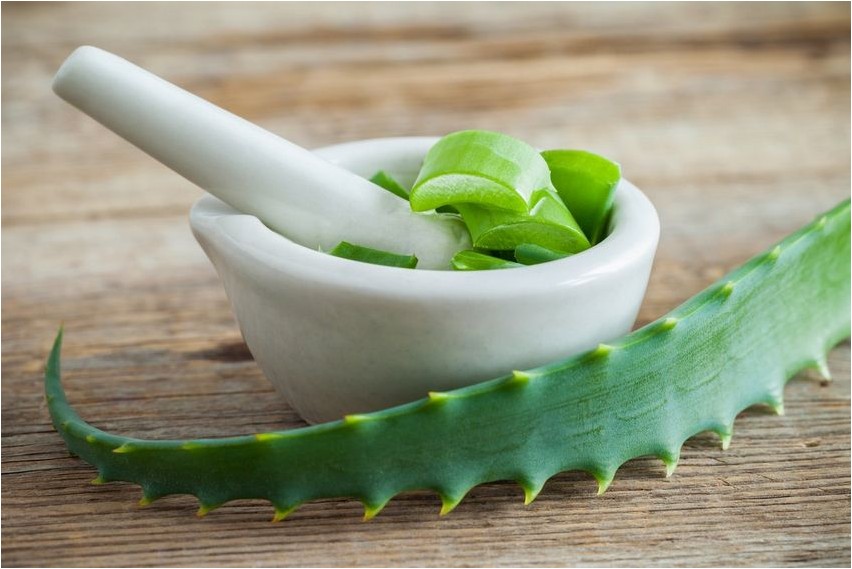
Aloe is a perennial plant that belongs to the family called Liliaceae.
This plant is a succulent shrub, endowed with erect stems and covered with scars of dead leaves at the bottom. Under natural conditions, this plant can reach up to three meters in height. Aloe is endowed with fleshy, wide and rather thick leaves, the length of which is approximately fifty centimeters. The leaves are colored matte green, complemented by purple thorns. The flowers are collected in multi-colored inflorescences on a peduncle, the height of which can reach even eighty centimeters. The root system is represented by straight, long and cylindrical roots. In nature, aloe grows in India and Africa; aloe is highly resistant to drought. It is noteworthy that when grown at home, this plant rarely blooms.
Growing aloe
The optimal soil mixture for the plant is a light mixture containing charcoal, fine brick chips and drainage. At the same time, it is important to remember that the addition of peat is unacceptable: this element can have an extremely negative impact on the development of the aloe root system. In the warm season, experts recommend taking this plant out into the fresh air; it is also permissible to plant aloe in open ground, where the plant should be provided with good lighting and reliable protection from possible rain. At this time of year, moderate watering will be required, and in winter the plant should be watered extremely rarely. In addition, in winter the temperature should not be allowed to fall below ten degrees Celsius.
Aloe propagation occurs through seeds, cuttings, shoots, and also by the tips of shoots. After the seeds have ripened, they should be planted in bowls, this should happen around February-March. The soil you will need consists of turf and leaf soil, as well as sand. seedlings must be placed in boxes, and the soil will need the same. After this, the seedlings should be planted in pots with the same soil, and then charcoal and brick chips should be added there. Watering should be moderate, and waterlogging should not be allowed. Next spring, such a plant should be cared for as an adult.
In the spring, the plant should be gradually exposed to sunlight so that the aloe does not get burned from excessively bright sunlight. In winter, the plant will need to provide additional lighting for about twelve hours a day. It is important to remember that the leaves do not need additional moisture.

So, the best conditions for keeping aloe will be a bright and cool place, as well as a temperature of about ten to fourteen degrees Celsius. During the growth period, the plant will require regular feeding approximately once every two weeks. For the purposes of such feeding, fertilizers intended for cacti and succulents are used. Young plants and those that have just been transplanted do not need such fertilizers. Aloe plants are very rarely susceptible to disease, but the following diseases may occur: root rot and dry rot. Such diseases can be the result of excessive moisture or failure to follow all recommendations for caring for the plant.
Aloe transplant
Aloe transplantation occurs in the spring. Young plants should be replanted every year, but for adult plants, replanting once every two years is sufficient. Those plants that are already over five years old can be replanted no more often than once every three years. The substrate should be prepared on the eve of transplantation and such a substrate should consist of humus, sand and leaf soil, taken in equal proportions. Also, the substrate should contain two parts of turf soil. After transplantation, the plant is not watered for at least four days.