Kiwi
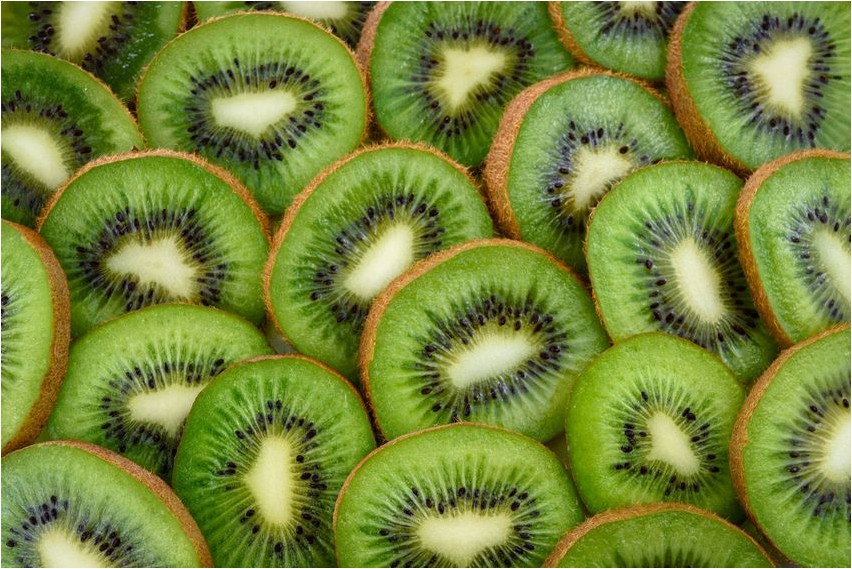
Kiwi (lat. Actinidia chinensis) is a fruit vine native to China, which is why kiwi is often called “Chinese gooseberry.”
Description
Kiwi is a tree-like vine of fairly large size. Kiwi fruits are shaggy berries endowed with juicy green pulp. A little less often you can find fruits with yellow flesh (these are the fruits of the Gold kiwi variety). And their skin is always covered with tiny hairs. The average weight of the fruit is about seventy-five grams, and large specimens often weigh one hundred grams. The taste of kiwi has been described as a combination of pineapple, cherry, apple, melon, banana, strawberry and gooseberry.
Currently, there are about fifty varieties of kiwi, but only a few of them are grown for their edible fruit.
The name “kiwi” was given to the pubescent fruits due to the similarity of their shape to the body of the namesake bird (also kiwi). And in New Zealand, these fruits, just like the funny bird that cannot fly, have become a symbol of this country.
Where does it grow
Kiwi is cultivated in many countries around the world — these fruits are highly valued for their excellent taste and nutritional value. And the main suppliers of this fruit at the moment are New Zealand and sunny Italy.
Application
Kiwis are eaten not only fresh — quite often they are added to salads or desserts, and they are also made into jelly and marmalade or made into jam. You can also make an excellent pie filling from kiwi.

Kiwi fruits are very rich in potassium — this allows us to recommend them for consumption in case of iodine deficiency and in some types of hypertension (they perfectly help normalize blood pressure). In addition, they help minimize the risk of developing cancer and diseases of the cardiovascular system, and also reduce the risk of developing thrombosis and are endowed with the ability to burn fat.
Kiwi is a low-calorie and dietary fruit — 100 g of product contains only 48 kcal. By the way, one kiwi fruit can replace three tomatoes or one large orange. 100 grams of this wonderful fruit contains about 360 mg of vitamin C — for adults this is four times the daily dose. After the well-known black currant, these fruits take an honorable second place in terms of vitamin C content, and the amount of this vitamin does not decrease in the fruits even during storage. This property of kiwi helps prevent all kinds of colds and strengthen the body”s protective functions.
To avoid heaviness in the stomach and heartburn, it is enough to eat a single kiwi fruit after lunch.
Kiwi skin, which contains much more antioxidants than its pulp, is characterized by pronounced antiseptic properties. However, it is not recommended to use it if the oral mucosa is particularly sensitive.
For many centuries, kiwi has been actively used in Chinese traditional medicine — these fruits are used there to prevent any rheumatic ailments, to reduce nervousness, speedily improve digestion, prevent the formation of kidney stones, and also to prevent hair from turning gray before its due date.
Kiwi is also used in cosmetology — this fruit can be especially often seen in masks for nourishing, rejuvenating, moisturizing and cleansing the skin. It is quite possible to make such masks at home. Kiwi is also often used as a peeling agent — these fruits contain an impressive amount of fruit acids.
Kiwi in cosmetics perfectly strengthens and tones the skin, and also slightly whitens it and evens out its tone. The shaggy fruit also contains natural collagen, which is highly valued in cosmetology. And regular consumption of these nutritious fruits also perfectly stimulates collagen production.