Irezine
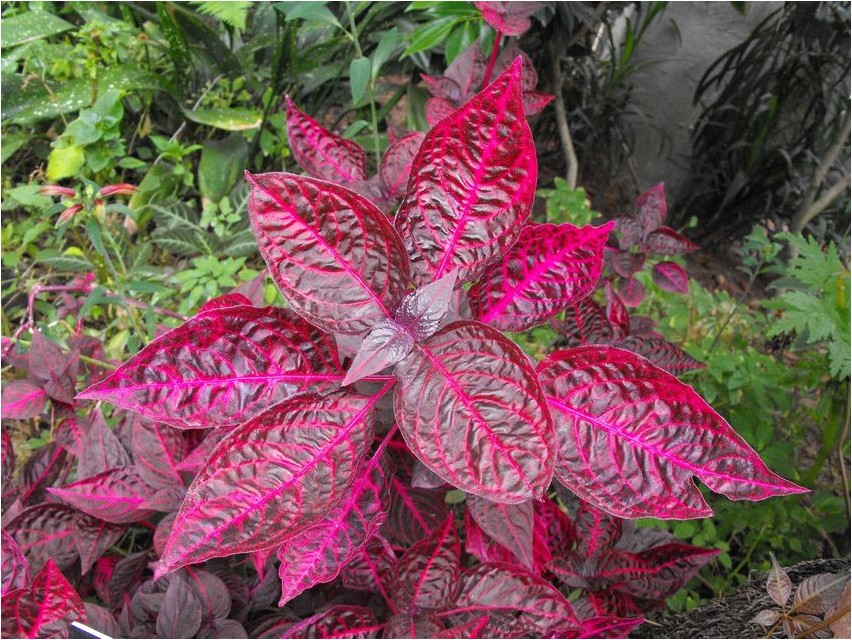
Iresine (lat. Iresine) is a genus of low herbaceous subshrubs or climbing plants belonging to the Amaranth family (lat. Amarathaceae).
Includes 25 species, distributed mainly in Australia, North and South America. Its homeland is Colombia. In Russia it is actively used as a indoor and garden crop.
Characteristics of culture
Most representatives of the genus Irezine are represented by perennial plants no more than 70 cm high, distinguished by bright ellipsoidal or rounded foliage and strong stems topped with tiny flowers collected in complex spike-shaped inflorescences. The following types are currently used among flower growers and gardeners:
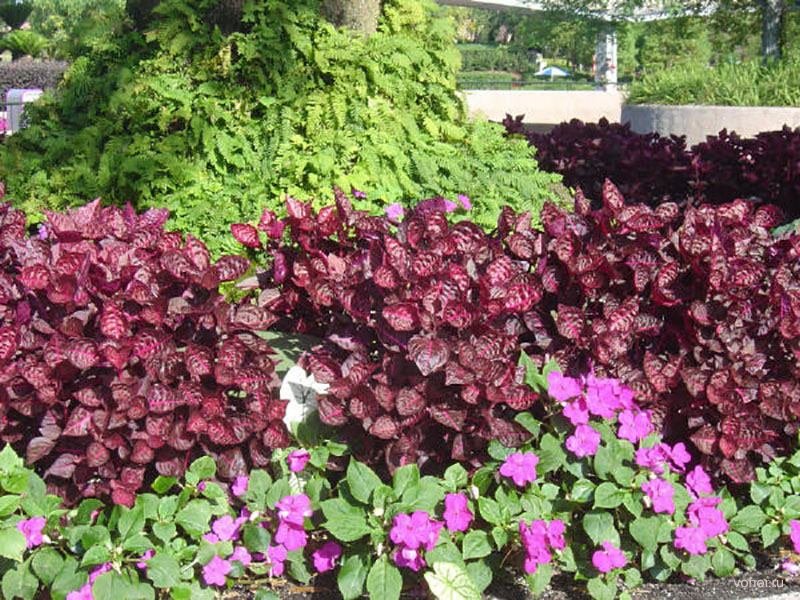
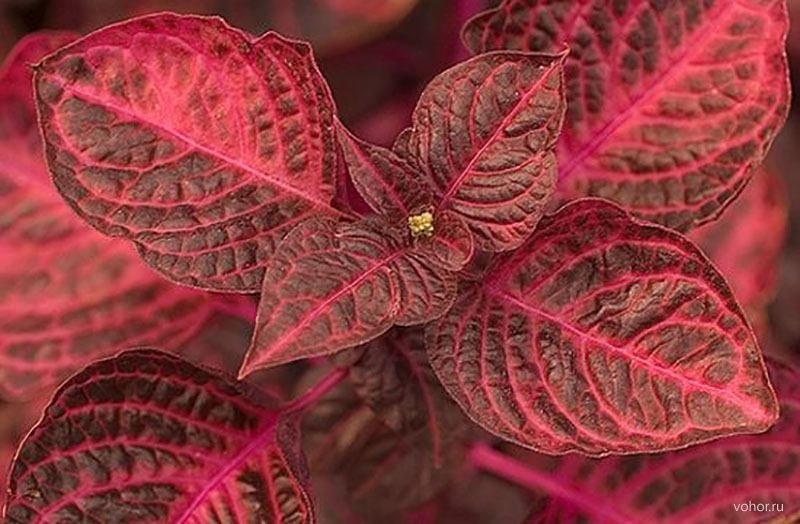
*Iresine Lindenii (lat. Iresine lindenii) – the species is characterized by heat-loving perennial plants that form pyramidal bushes during growth, strewn with petiolate, opposite, oval or lanceolate foliage of a reddish or reddish-brown color, and small, barely noticeable light yellow flowers, equipped with bracts collected in paniculate inflorescences. Iresine Lindena has two garden forms that boast unusually colored foliage. For example, form f. formosa has red foliage with golden hues; there are specimens with yellowish veins, which give the foliage a special attractiveness. Another form f. emersonii is famous for its red foliage with yellow veins.
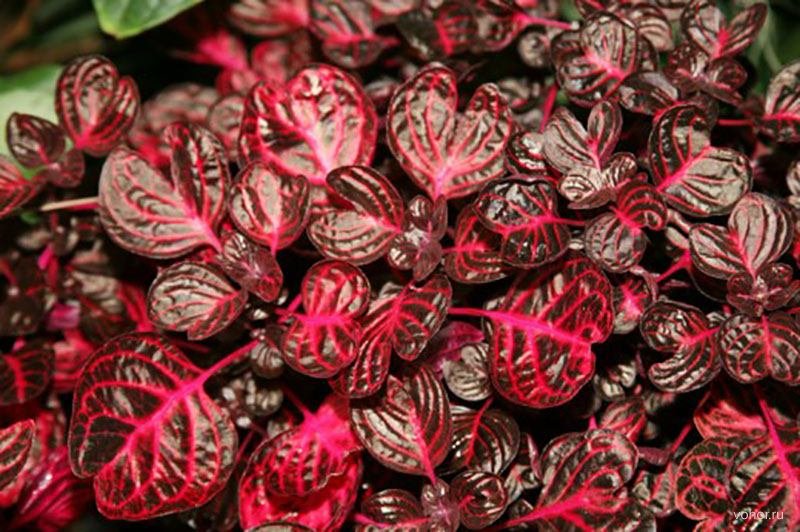
*Iresine Herbstii (lat. Iresine herbstii) is another species that is very popular among gardeners in Europe and Russia. It has foliage colored in shades of greenish-red with less vibrant veins. Like the previous species, this one has several forms and varieties. Among the latter, the most relevant variety is Brilliantissima, represented by pointed, rich red-purple foliage, equipped with pinkish veins. Externally, the plant is characterized by miniature bushes used for landscaping gardens and sunny areas.
* Iresine acuminata (lat. Iresine acuminata) is a frequent visitor to Russian gardens. Unlike other species, it has peak-shaped foliage with sharp tips. The appearance is similar to one of the varieties of Herbst irezine, in fact, and it is used in a similar way.

Features of cultivation
Most species belonging to the genus Irezine are light-loving plants that thrive in open sunny areas and well-lit window sills. Another feature of the culture is its heat-loving nature; the plants cannot tolerate even minor frosts and die almost immediately, so cultivation is preferable indoors, but with the onset of summer, the plants can be safely taken out into the garden.
In the shade, irezine develops very poorly, and the foliage loses its rich color. But despite this, the bushes need light shading, which will prevent sunburn. By the way, without any problems, plants can be grown in rooms with artificial light, but in this case the lighting should be about 14 hours, no less.
The optimal temperature for normal development of irezine is 17-23C. Elevated temperatures are not recommended; they can destroy the plant. The preferred soil for cultivating the crop is nutritious, enriched with minerals, loose and moderately moist. Plants should not be planted on waterlogged, unfertilized, dense or saline soils.
Care
Caring for irezine involves abundant watering, we are talking about spring and summer. Watering is carried out as needed; you cannot wait for the top layer of soil in a pot or garden container to dry. Lack of moisture, as well as excess, will negatively affect the health of rubber. At low temperatures, watering is significantly reduced.
Culture has a positive attitude towards fertilizing. It is advisable to feed plants with both organic matter and complex mineral fertilizers. If we are talking about indoor growing, then fertilize at least once every 7-10 days. In winter, indoor specimens are fed once every 30-40 days.
In addition to watering and fertilizing, the crop requires pruning, which boils down to removing shoots that are too long and twisted. Pinching is encouraged. Plants are replanted as needed, but not more than once every 2 years.
Irezine. Features of care.

Irezine is a decorative foliage indoor plant. There are about 80 varieties, differing from each other in the shape and color of the leaves, and the height of the bush.
Based on the type, the bush has the ability to reach a height of 60-80 cm. The flowers are not of interest, because… Horribly miniature, they look unpresentable, and besides everything else, they don’t bloom often in indoor conditions. Two types are common in culture – i. Herbst and Linden.
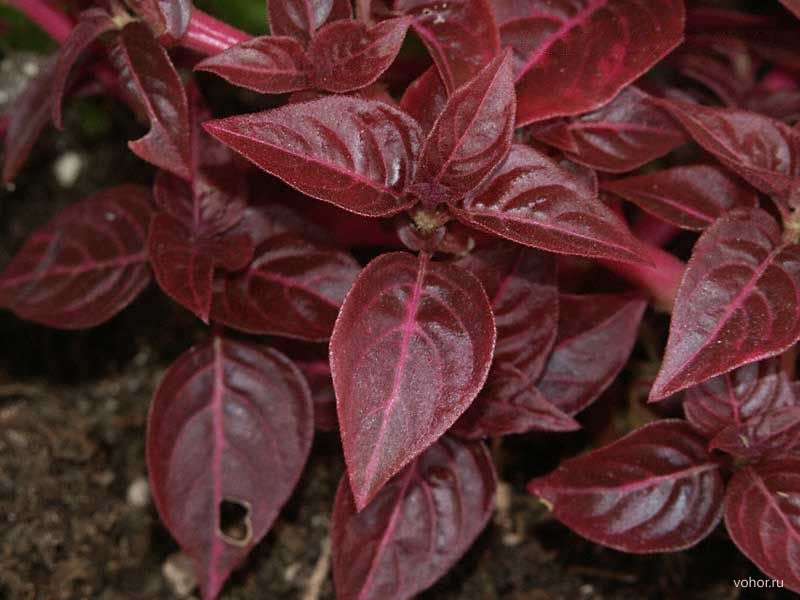
care and cultivation of irezine
The most favorable soil seems to be a mixture of leaf and turf soil, sand and humus, but the first other nutritious soil you come across will do. Choose a pot of regular volume, with the inevitable presence of drainage holes. A layer of drainage is placed at the bottom of the pot.
The plant is kept in a well-lit, ventilated habitat, at a temperature of 22-24 degrees Celsius. In the summer, the pot of irezine is taken outside as far as possible. In winter, the temperature is reduced to 13-15 degrees, but the plant should not experience a lack of light.
water in abundance throughout the entire non-cold period. By winter, watering is reduced. When watering, do not allow moisture to stagnate. In the interests of maintaining humidity, the pot of irezine is placed on a tray with damp expanded clay, and the bush is also systematically sprayed.
Potash mineral fertilizers are applied throughout the summer, every two weeks. In winter, fertilizers are applied less frequently, approximately monthly. It is possible to introduce organic fertilizers.
In the interests of tillering, young shoots are pinched out every spring. Formative pruning is carried out not only in spring, but also in summer; for this purpose, tall shoots are cut off (by approximately 1/3). Pruning makes it possible to maintain a compact configuration of plants, otherwise the shoots will stretch out, reach enormous lengths, and the plant will look less picturesque.
Irezine quickly loses its decorative effect, as a result of this, every 2-3 years it is much better to rejuvenate the bush by raising a new plant. Transplantation is carried out once a year, in summer or spring. The substrate is replaced with fresh one, the volume of the pot is expanded as the plant grows.
reproduction of irezine
Irezine is propagated by cuttings. Cuttings are cut in summer or spring. Each cutting within 7 cm in length should have 1-2 nodes. Cuttings are rooted in water or in damp sand under glass or film, at an air temperature of 20-22 degrees. After the roots emerge, the cuttings are planted in single pots. As they grow older, the tops are pinched, which activates the formation of side shoots.
diseases and pests
May suffer from aphids, whiteflies, and spider mites. If there is a lack of moisture, as a result of being kept at elevated air temperatures, there is every chance that the leaves will droop or fly off.