Marjoram
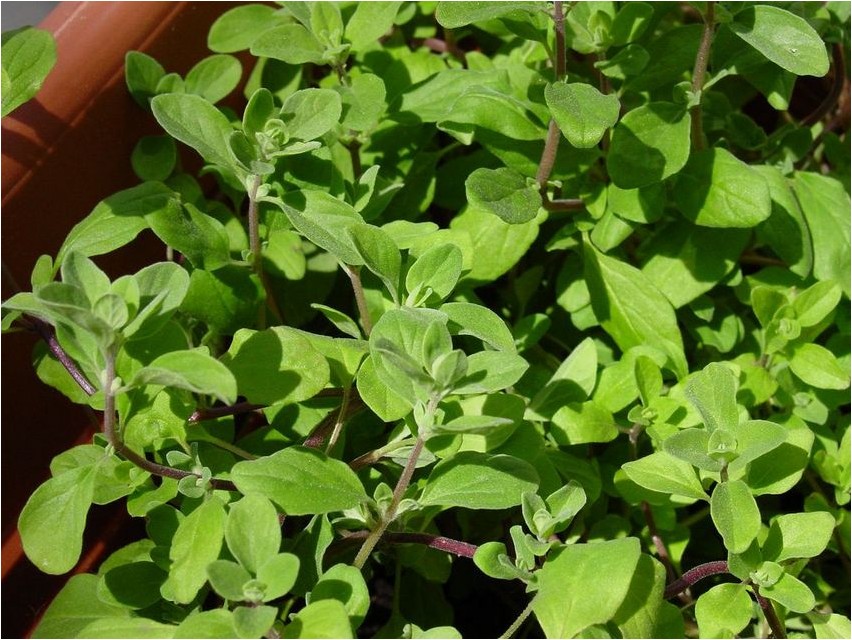
Marjoram is a perennial herbaceous plant of the oregano genus, which belongs to the Lamiaceae family. In the Middle East, marjoram is sometimes also called za’atar.
Characteristics of culture
Marjoram should be classified as a heat-loving plant. Today there are two types of this crop: leaf and flower marjoram. Flower marjoram is an annual plant that has a small stature. Basically, this culture is widespread in Central Europe: here marjoram grows in greenhouses and greenhouses. Leaf marjoram is a perennial shrub that grows in southern countries. This variety has a pronounced aroma.
It is believed that marjoram first appeared in the Mediterranean and Asia Minor. Marjoram was brought to the European part of the continent in the sixteenth century, and since then this crop has been very widely used as a spice. The aroma of marjoram is bitter-sharp, slightly camphorous and sweet with a hint of spice.
The beneficial properties of marjoram are explained by the essential oils it contains. In addition, marjoram is rich in rutin, pectin, pentosans, tannins and vitamin C.
Essential oil is obtained from marjoram – such a liquid will be colored in light yellow tones or will be completely colorless. This oil has a very persistent and pleasant aroma. At the same time, marjoram contains the maximum amount of oil precisely during the period of its abundant flowering.

Use and beneficial properties
As for the medicinal properties of marjoram, even in Ancient Greece, marjoram was used to improve the mood of fighters before battle, and also treated various nervous diseases. Marjoram has a tonic, antiseptic and anti-catarrhal effect. In folk medicine, marjoram is used to treat scurvy, as well as some diseases of the gastrointestinal tract.
Marjoram can normalize the menstrual cycle and help improve digestive processes. Marjoram can treat rheumatism, and quite a lot of it is used as a diuretic. To treat children’s runny nose, medicinal ointments are produced from this crop. The effect of the antiseptic is explained by the high content of organic acids. Marjoram will be useful for diabetes, liver and kidney diseases, and should also be used after a heart attack.
Based on marjoram, products are prepared that help relieve inflammation of the oral cavity and cure bleeding gums. In addition, tea from this culture will also help to get rid of such problems.
As for marjoram as a spice, it is the one that can give dishes an amazing aroma. Marjoram can be used literally everywhere in cooking: meat, fish, soups, and vegetable dishes. Sometimes marjoram is also added to wines and other drinks.
You can also make a special vinegar from marjoram. This is done as follows: ordinary vinegar is infused on the leaves of this crop for at least a week.
Marjoram can significantly help the faster absorption of fatty foods, so it is often added to heavy foods: pork, homemade sausages, fatty sausages and sausages. Of course, marjoram can be combined with other spices and spices to suit your own taste. However, it is not recommended to add large amounts of marjoram to food: otherwise the excessive aroma of this spice can cover up all other odors with its intensity. In addition, especially active use of marjoram is not recommended for health reasons. For example, during pregnancy this crop should be treated with special caution. In case of excessive consumption, severe headaches and a state of general depression of the body may occur.
To ensure that the amazing aroma of this spice is preserved in its original form for a long time, marjoram should be stored exclusively in airtight containers.





