Pak choi cabbage
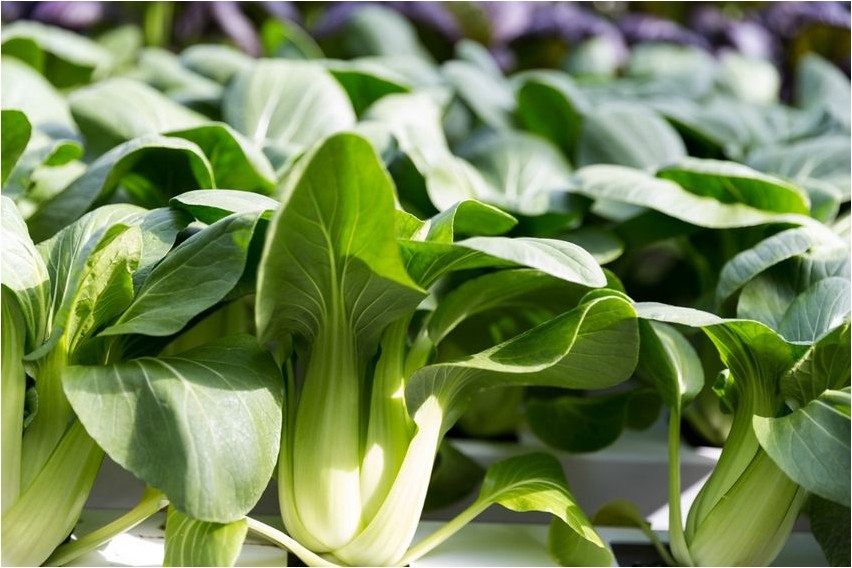
Pak choy cabbage (lat. Brassica rapa subsp. chinensis) is one of the varieties of Chinese cabbage. This cabbage is often called celery or mustard cabbage.
Description
Pak choi cabbage is a plant with white petioles and bright green leaves. This variety of cabbage does not form heads — all the leaves are formed on fairly thick stems around the central buds, gathering into funny rosettes. By the way, the diameter of such rosettes can reach thirty centimeters. And the total length of pak choi cabbage is on average about fifteen centimeters.
The piquant and juicy petioles of this peculiar cabbage resemble spinach in taste.
Where does it grow
China is considered the birthplace of pak choy cabbage. Currently, it is actively cultivated throughout the rest of Asia, as well as in a number of European countries.
Application
Pak choy cabbage is most valued in Asian cuisine: Japanese, Korean and Chinese. It can be eaten not only raw, but also boiled, fried or stewed. This product is endowed with the unique ability to harmoniously combine with almost any product, both plant and animal origin. Most often, pak choy cabbage is added to side dishes, soups and salads — its slightly spicy mustard aroma allows you to highlight the taste of any dish.
Young pak choy leaves are considered the most delicious and tender. In order to be able to use them for cooking throughout the year, they are often dried or even fermented.

Pak choy cabbage has low calorie content, therefore, anyone who wants to get rid of extra pounds can eat it without fear. And the fiber it contains serves as an excellent prophylactic against constipation and perfectly helps cleanse the body of all kinds of breakdown products, as well as cholesterol and toxins.
Pak choi cabbage leaves are very rich in ascorbic acid — if you eat them regularly, the elasticity and strength of blood vessels will increase many times over! And the skin will become firmer and more elastic, because vitamin C is an active participant in the processes of collagen and protein synthesis. And the vitamin K contained in beautiful pak choy will help ensure normal blood clotting. This valuable product also contains a lot of vitamin A, which is responsible for the proper renewal of skin cells. By the way, this vitamin is also necessary for vision, because it participates in the formation of an enzyme that ensures proper refraction of light.
Pak choy is also widely used in dietary nutrition. It is an indispensable product for those suffering from vascular, heart, and gastrointestinal diseases. It is also beneficial in the treatment of anemia.
Expectant mothers are also advised to include pak choy in their diet, as it contains essential folate. Regular consumption of this green helper helps prevent the development of various pathologies in the fetus.
Pak choy juice, with its bactericidal properties, is excellent for healing burns, wounds, and ulcers.
Contraindications
Individual intolerance is the only factor that can cause harm when consuming pak choy.
Cultivation
Pak choy is most often grown from seedlings, which take three to four weeks to mature. This variety of cabbage is early maturing, allowing for several harvests per season. In Russia, this crop is sown around the end of June or the very beginning of July. To do this, dig furrows three to four centimeters deep beforehand.
Super-early Chinese cabbage, Pak Choi!