Milkweed
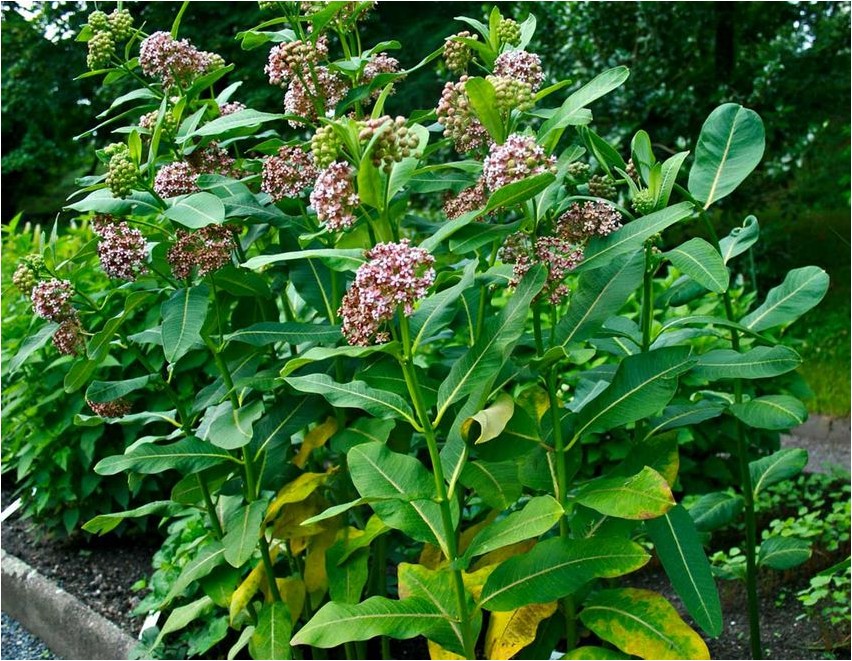
Milkweed is sometimes known as Asclepias. This plant is most often a perennial, but annuals are also found.
Milkweed’s characteristics include its remarkable ornamental value, medicinal properties, and a very pleasant and vibrant aroma. Milkweed was once used to produce various fabrics and even rubber. There are approximately eighty different varieties of this plant in this genus.
Among the most common milkweed species, the Siberian milkweed stands out. This flower can reach a height of one and a half meters. Its inflorescences are pink in color, and bloom begins around midsummer. Tuberose milkweed can reach a height of fifty to seventy centimeters. Its flowers are gathered in fairly large inflorescences, and their color is orange. This flower has a very long blooming period, but is susceptible to freezing in winter. Also popular is the mint-red or incarnate milkweed, which can reach approximately one meter in length. As you might expect, the flowers are red or pink in color, gathered in clusters that can reach up to six centimeters in size. This milkweed species also blooms for a very long time.
Care and Growing Milkweed
For cottonweed, sunny areas are considered optimal growing conditions, but the flower can tolerate a little shade. The most optimal development of cottonweed occurs on nutritious loamy soils. This plant will require moderate watering. However, the incarnate cottonweed has a special love for moisture, so it needs regular watering, but at the same time, any waterlogging of the soil remains extremely undesirable. This flower will grow very quickly, this is especially true for the Siberian cottonweed. If the growth of a flower is not controlled, it can gradually become a kind of weed. In order to combat such growth intensity, it is recommended to fence off the area where the plant grows. For example, a curb is ideal for this purpose. The fence should be buried quite deeply, otherwise the desired effect may not occur. After flowering has finished, you should cut off the stems if you do not intend to collect seeds from the plant. It is noteworthy that cotton grass is able to withstand the winter without shelter, but it is still recommended to cover the plant with peat, dry leaves or mulch with compost for the winter. In one place, cotton grass can grow for up to ten years, without requiring replanting.
It is also important to remember that milkweed is considered a poisonous plant. The stems and leaves contain juice that can cause skin irritation if it gets there.

Reproduction of cottonweed
The plant can reproduce using cuttings, rhizomes, dividing the bush, and also through seeds. The bush should be divided in the spring or this procedure should be postponed to August. The plant will tolerate replanting well and will take root in its new location quite quickly.
If you plan to propagate through seeds, then in April you should sow the seeds in a loose substrate. To germinate seeds, a temperature of approximately twenty-two to twenty-four degrees is required. After the first shoots appear, the growing temperature should be approximately eighteen to twenty degrees. Approximately at the end of May or at the beginning of June, the plant can already be planted in open ground, and this should be done immediately in the permanent place where the cotton grass grows. In this case, flowering occurs after three to four years.