Butene
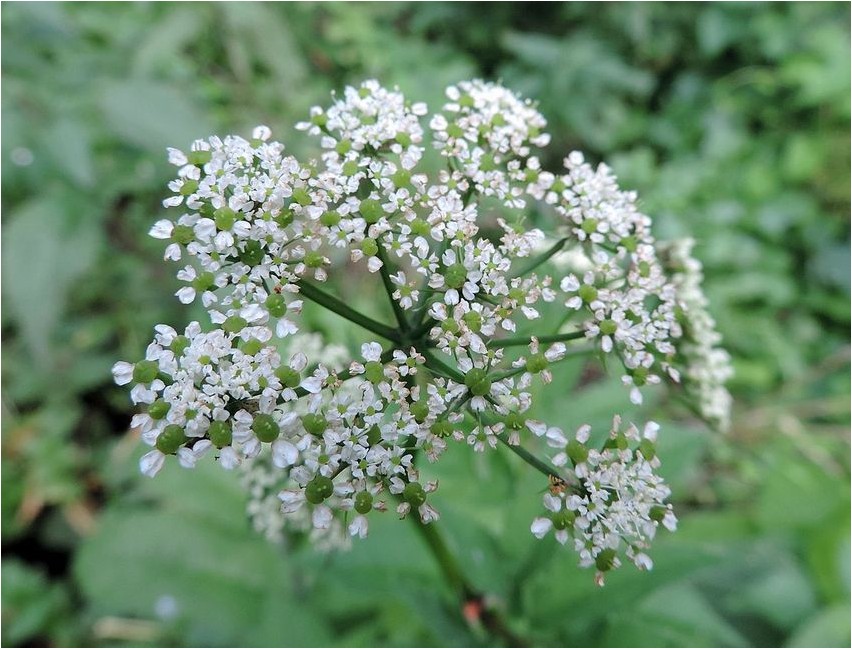
Buthen (lat. Chaerophyllum) is a genus of perennial herbaceous plants of the Umbelliferae (lat. Umbelliferae) or Celery (lat. Apiaceae) family.
A tall plant with pinnately dissected leaves and lush inflorescences can be found on the edges of forests, among thickets of bushes, along the sides of numerous roads in Eurasia and North America, where the climate reigns. Plants that manage to spread their picturesque above-ground parts on agricultural fields are included in the order of weeds. Among almost fifty species of the genus there are edible, healing and honey-bearing representatives that are actively used by humans.
What”s in your name
According to one version, the Latin name of the genus “Chaerophyllum” is based on two Greek words, which often happens with plant names, meaning “rejoice” and “leaf” when translated into Russian. A quite suitable name for plants with pinnately dissected picturesque leaves, pleasing the eye with their splendor and delicacy.
Description
Perennial, and more often biennial, herbaceous plants of the genus have a height of up to seventy centimeters and have at their base underground rhizomes or roots with tubers, characterized by high endurance.
The erect, slightly branching stems are covered with picturesque pinnately dissected green leaves, each leaf of which has a coarsely toothed (crenenate) edge and clearly defined veins on the leaf blade.
At the end of spring and beginning of summer, Buten delights nature with its lush and dense inflorescences-umbrellas of tiny flowers, the petals of which can be colored white, pink, purple or red, depending on the species.

The top of the growing season is a cylindrical fruit, the top of which tapers to a sharp spout.
Varieties
Today, the plant genus Buten has forty-six species. Here are a few of them:
* Butternut (lat. Chaerophyllum bulbosum) — sometimes cultivated for its tubers containing starch and essential oil. Tubers are suitable for food both raw and processed (boiled, fried). Young stems and leaves are added to borscht and green soups.
* Golden buten (lat. Chaerophyllum aureum) — in our country it grows in the Caucasus. It is distinguished by a thick root, a strong erect stem up to one and a half meters high, and the feathery leaves and inflorescences of white miniature flowers familiar to the genus.
* Intoxicating buthen (lat. Chaerophyllum temulum) — all parts of this species contain a volatile poisonous alkaloid that can cause poisoning in livestock and humans.
* Astrantia buthen (lat. Chaerophyllum astrantiae) is endemic to the Caucasus. Found in the wild of Georgia and Turkey.
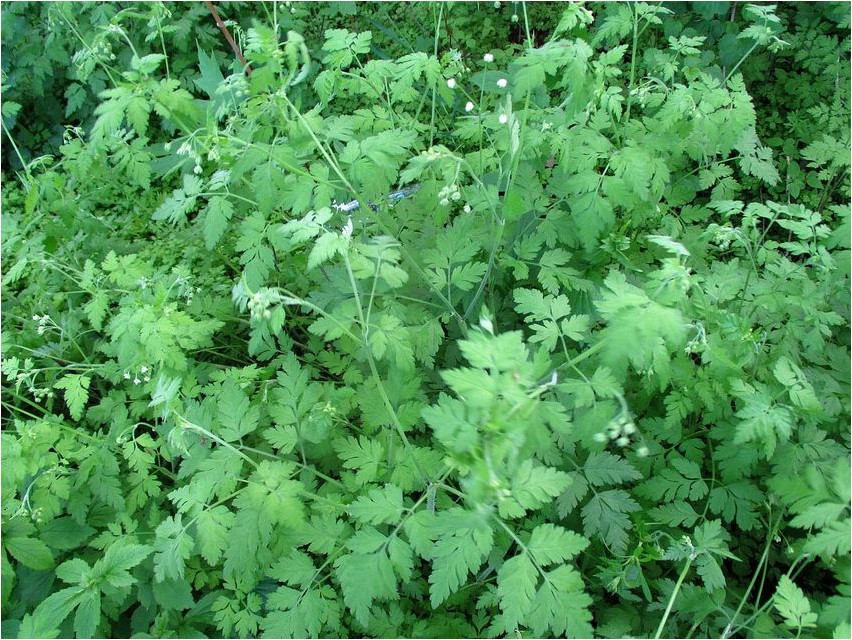
* Chaerophyllum hirsutum is a hardy species and one of the joys of early summer, as its clusters of tiny lilac or mauve flowers display their beauty from April to June.
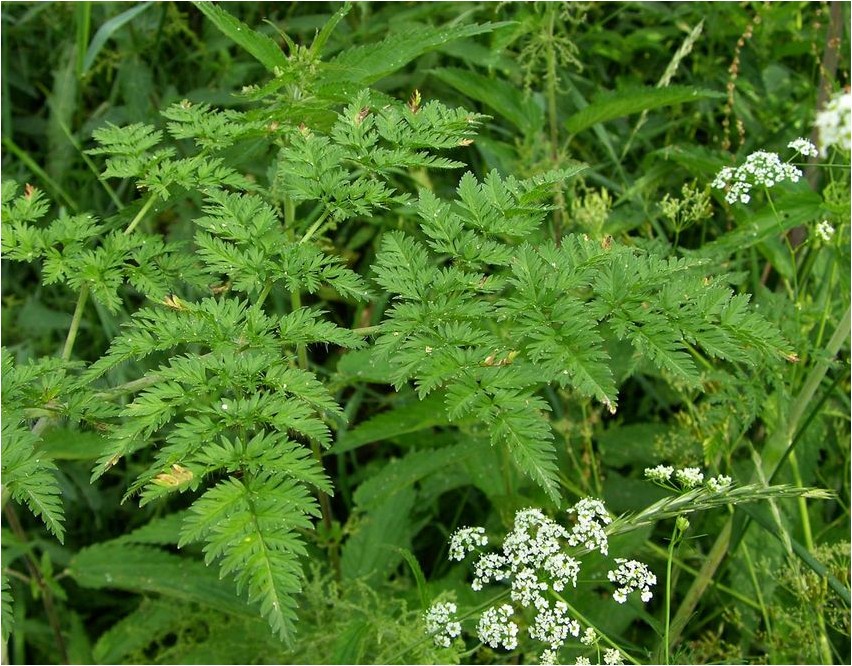
* Reddish buten (lat. Chaerophyllum rubellum) — umbrella inflorescences are formed by tiny flowers with pinkish-reddish petals.
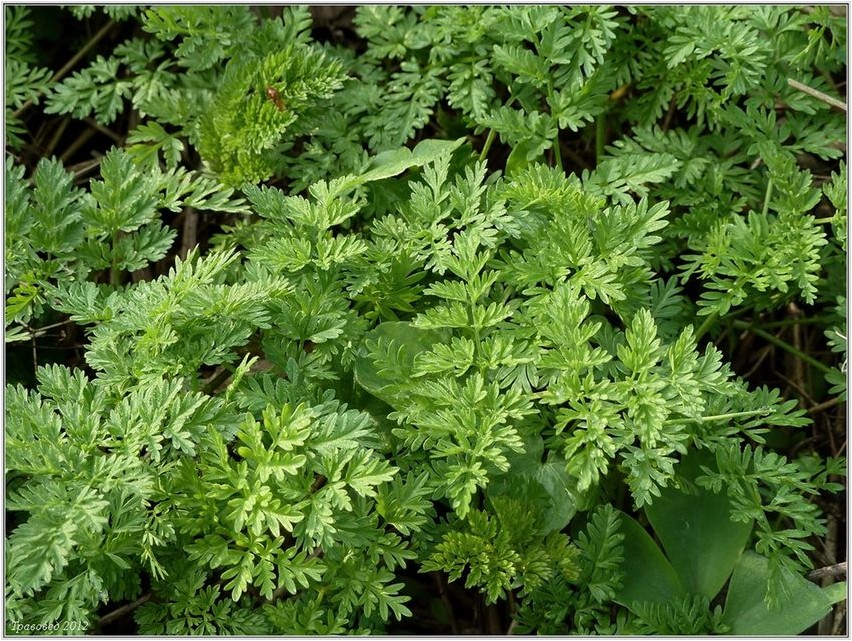
* Fragrant buthen (lat. Chaerophyllum aromaticum) is a good honey plant. Young stems and leaves are added to spring soups and borscht. From the root of the plant, traditional healers prepare a tincture that heals diseases of the digestive system.
Usage
In spring and early summer, when many plants are just gaining strength to show the world their fragrant blooms, the inflorescences of plants of the genus Butene are an excellent supplier of nectar for hardworking bees.
The tubers of “Chaerophyllum bulbosum” are quite edible and, when fried, serve as an excellent side dish for meat dishes. Young stems and leaves are suitable for borscht and spring green soups.
Almost all parts of the plant are used by traditional healers to treat human ailments associated with the human digestive system.





