Let’s rock the paniculata
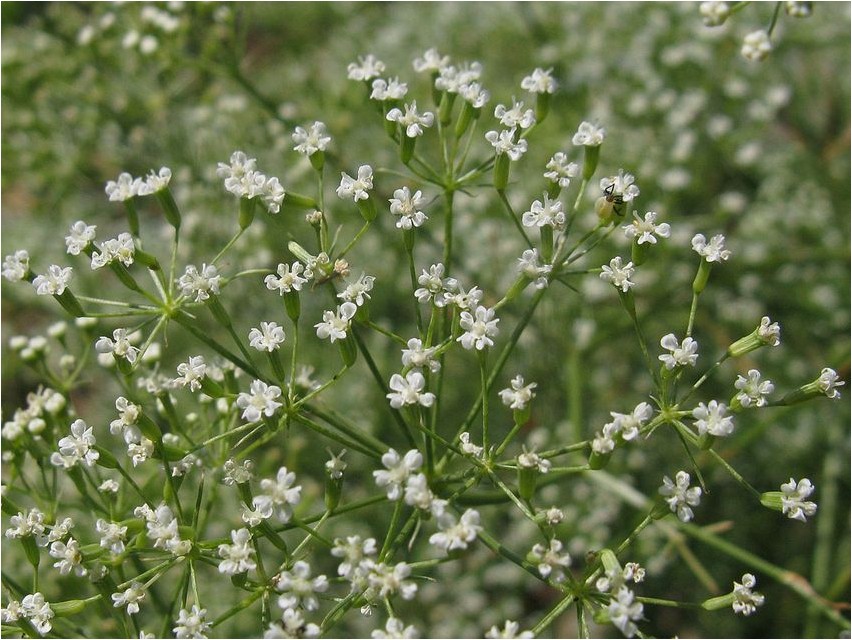
Kachim paniculata is one of the plants of the family called Cloveaceae; in Latin the name of this plant will be as follows: Gypsophila paniculata L.
As for the name of the Cachima paniculata family itself, in Latin it will be: CaryophyIIaceae Juss.
Description of Kachima paniculata
Kachim paniculata is also known under various popular names: woman’s mind, katun, woman’s mind, katicnik, kucheryavke, tumbleweed, fly agaric, pokatin, perekatun, pokatun, downhill and hundred-headed. Kachim paniculata is a perennial herbaceous plant, endowed with a long rhizome and a widely spreading branched stem. Such a stem of kachima paniculata will form spherical bushes. The lower leaves of this plant are early wilting, the middle leaves will be lanceolate or linear-lanceolate, and also long-pointed. The leaves are endowed with three to five veins and a waxy coating. The flowers will be quite small in size; they are in a wide spreading panicle on thread-like pedicels. The calyx of this plant is broadly bell-shaped, and its length will be about one and a half millimeters. The petals of the cachima paniculata are painted white, and their length will be longer than the calyx.
Flowering of kachima paniculata occurs in the summer. Under natural conditions, this plant is found in Western Siberia, Ukraine, the southern regions of Russia, the northern part of Crimea, and also in Kazakhstan. For growth, this plant prefers sandy soils, river valleys, meadow steppes and places along the edges of pine forests. It should be noted that kachim paniculata is a poisonous plant, for this reason special care should be taken when handling it. It is noteworthy that this plant can be grown in flower beds as an ornamental.
Description of the medicinal properties of kachim paniculata
Kachim paniculata is endowed with very valuable healing properties, and the herb of this plant should be used for medicinal purposes. The concept of grass includes flowers, leaves and stems. Such raw materials of this plant should be harvested from June to July.
It is noteworthy that the chemical composition of this plant has not yet been fully studied, but it is reliably known that the roots of cachima paniculata contain a very significant amount of saponins. The plant is endowed with analgesic, laxative, antimicrobial, insecticidal and emetic effects. It should be noted that in folk medicine, an infusion prepared from the herb of this plant is quite widespread. This infusion based on the herb cachima paniculata in small doses is recommended for use for pain in the liver area, and also as a laxative.

It is noteworthy that pumpkin paniculata can also be used to exterminate flies: it is worth noting that such a remedy is quite effective. In addition, such a plant can also be used as a soap substitute, which should be associated with the fact that the crushed plant with water can produce foam. It is also important to note that the roots of Cachim paniculata are used to make shampoo.
It is assumed that about twenty to thirty percent of saponins are present in the roots of this plant; in fact, it is for this reason that kachim paniculata is also called white soap root and white soap root of Turkestan. This plant is also used for washing wool, washing knitted items and woolen products. It should be noted that due to the presence of an extensive and powerful root system, paniculate pumpkin will very reliably fix shifting sands. Actually, it is for this reason that this plant has become widespread in agriculture.





