The queen of the fields is corn. History and modernity
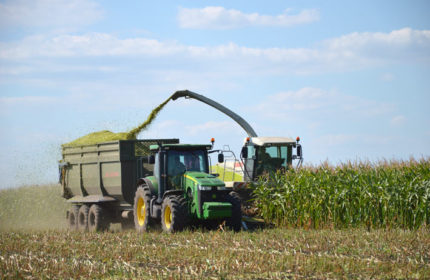
Corn is one of the oldest plants cultivated by man. The earliest evidence of corn cultivation in what is now Mexico dates back to the fifth millennium BC. The corn of that time was very different from modern varieties: the cobs and grains were much smaller, the Limagren RU company was focused on the formation of highly productive corn hybrids for the appropriate conditions in Russia. The ancient name for corn, maize, was given by the Mayans.
History of origin
The inclusion of cereals in the diet of the ancient inhabitants of South and Central America was one of the reasons for the development and prosperity of the pre-Columbian civilizations of the Mayans and Aztecs. The high culture of agriculture of these peoples eliminated the issue of supplying the growing population with food. The ancient Americans were well aware that they owed a lot to this plant. It is no coincidence that the Aztecs had a cult of corn, and one of the central gods of their pantheon was the corn god Centeotl.
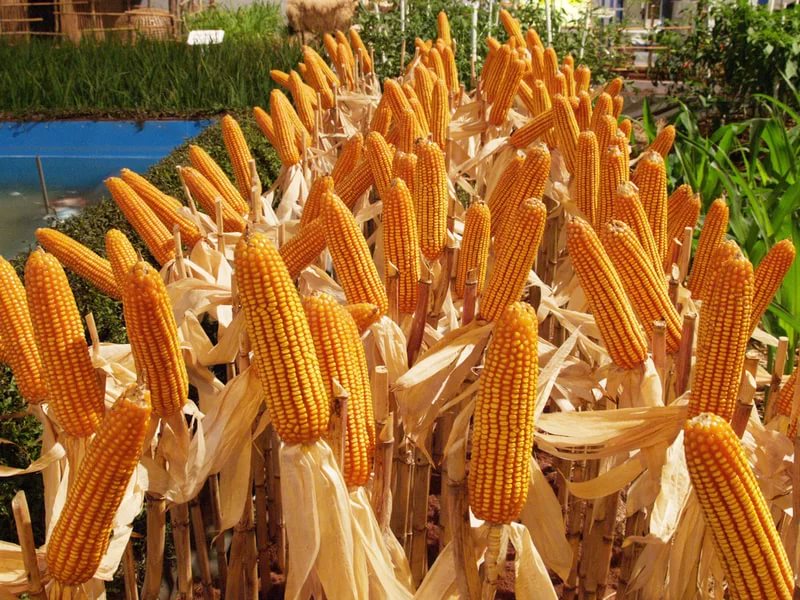 Europeans first became acquainted with corn in 1496 after Flower”s second voyage to the shores of the New World. From Europe, corn spread literally throughout the world. Its grains are used boiled, for canning, and to produce cereals and flour. Corn flour is used in many countries to make traditional baked goods and culinary products, the most famous of which is Mexican tortilla. Corn has been widely used in Moldavian and Romanian cuisine since the 17th century; it was used to prepare “mamalyga” porridge, which is also very popular among the Caucasian peoples. Well, it’s impossible not to mention popcorn, which came from modern America: corn kernels, torn from the inside by steam pressure when heated.
The history of the appearance of corn in Russia
Residents of Russia became acquainted with corn thanks to the Turks: during the Russian-Turkish wars of 1768-1774. and 1806-1812, when Crimea and Bessarabia, where corn was cultivated everywhere, became part of the Russian Empire. By the way, the Russian name of this crop comes from the Turkish word “kokoroz”, which means “tall plant”. First, corn spread to Ukraine, and then throughout the lands of southern Russia.
The enormous potential of corn was the reason for its massive forced introduction in the Soviet Union in the late fifties. The First Secretary of the CPSU, Nikita Khrushchev, who was in power at that time, for some reason decided that corn would be the impetus for economic growth. The heat-loving plant began to be sown literally throughout the vast country, even beyond the Arctic Circle, to the detriment of other agricultural crops. This led to a large-scale crisis in the Soviet agricultural system and an interruption in the supply of food to the population. Since those times, the phrase “queen of the fields” has remained in the Russian language, somewhat mockingly implying this ridiculous attempt at the mass introduction of corn.
Feed value of corn
The feed value of corn, from which silage is made for fattening livestock, cannot be overestimated. High yields of silage corn are one of the components of the success of modern livestock farming.
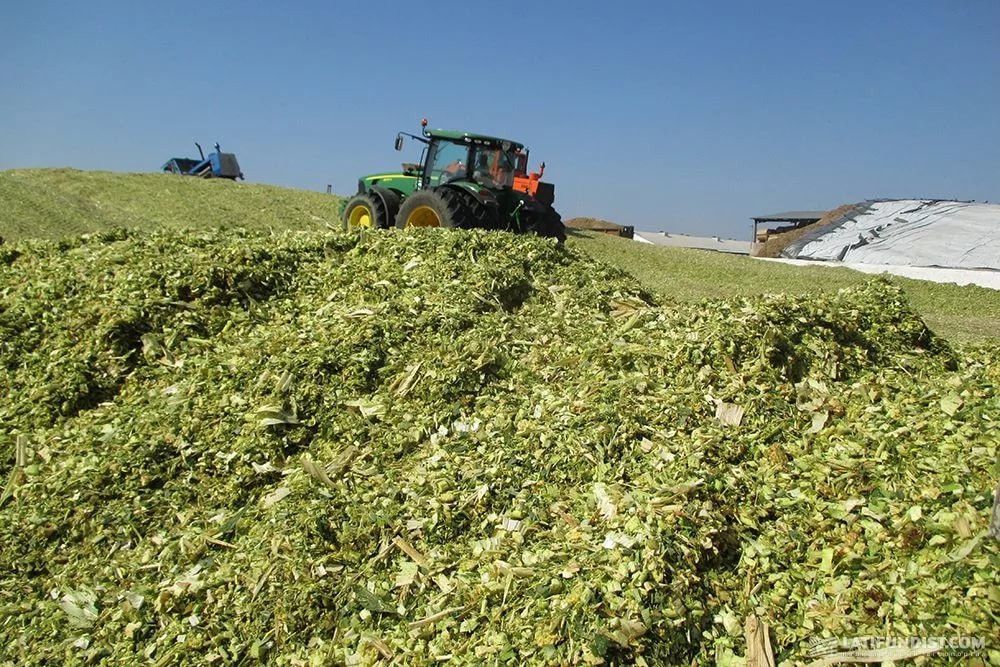
The Limagren company prepares silage for livestock, because silage is necessary for fattening cattle, sheep and goats; it can significantly reduce the cost of hay and fodder in winter. Corn silages best. The ensiling process is reminiscent of the process of making sauerkraut, because lactic acid fermentation occurs in both. It is the launch of lactic acid fermentation in the silage mass that is the main goal and key to obtaining good silage.

How to silage correctly? To do this at minimal cost, you need to dig a trench, the size of which will depend on the expected volume of silage. The bottom of the trench must be covered with plastic film. Next, the silage mass is placed in the trench, which is pre-crushed to particles 1-2 cm in size. The mass is laid in layers and thoroughly compacted — the more tightly compacted the mass, the better the quality of the silage. When ensiling crops with high humidity, straw is added to the trench along with the main silage mass to reduce the total moisture content of the silage mass; the ideal moisture content of the initial mass is 75%.
Having laid and compacted the mass in the trench, it is covered with film to prevent air from entering. A layer of earth is poured on top, so that the silo does not freeze in winter. The silo will be ready in 2 — 3 months.
Currently, Russia is among the top ten countries in terms of corn production. And it itself ranks second in the world in terms of sales among cereal crops, second only to wheat.
https://www. youtube. com/watch? v=P4qeDLLMnLs


