Interior design: creating a cozy and functional space
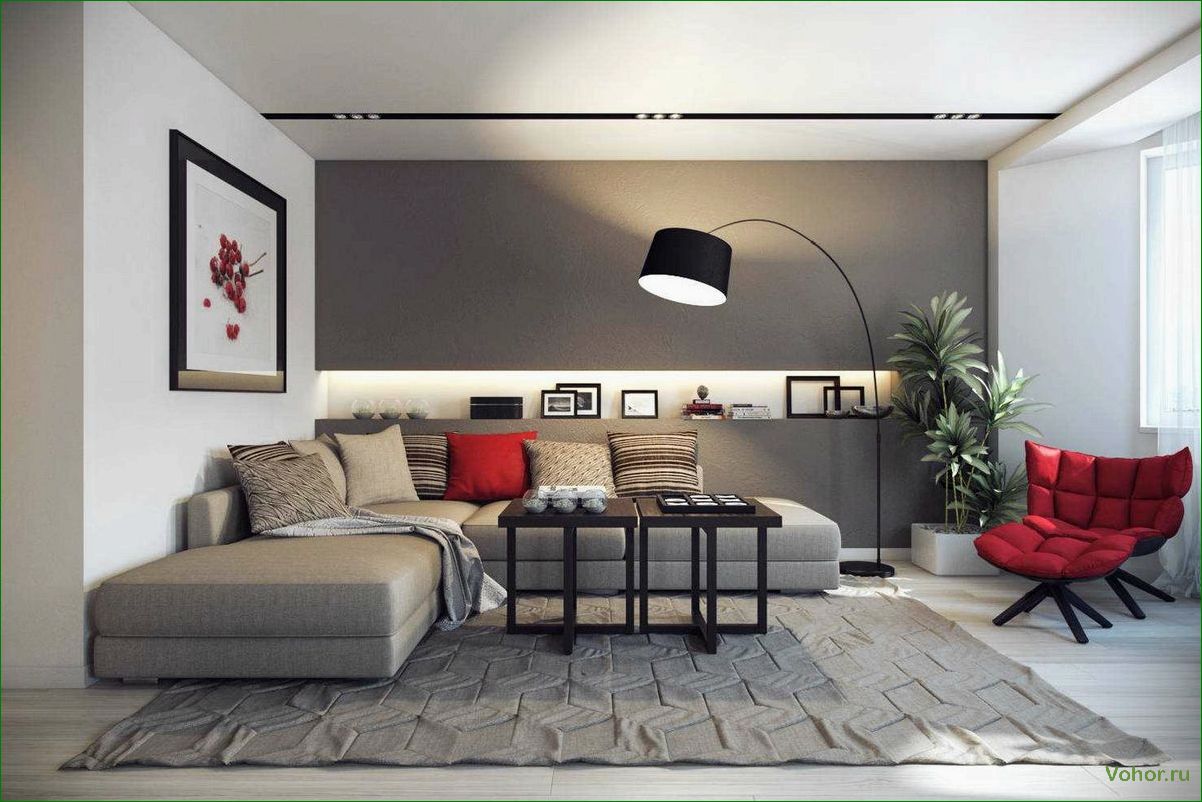
Interior design is the art of creating not only beautiful, but also functional spaces that can satisfy the needs and desires of the client. A properly designed interior lifts your mood, gives you the opportunity to relax and enjoy life.
Contents of the article:
interior designers must consider many factors when creating a project: the size and shape of the room, the style of the furnishings, light, color, materials, and the client’s personal preferences. A successful interior must combine original design, technical requirements and comfort for residents.
The process of creating an interior design begins with communicating with a specialist and clarifying all the details, including the client’s desires and needs. Subsequently, the designer selects colors, materials, furniture, decor and lighting fixtures, creating an interior concept. He also ensures maximum space efficiency and a comfortable environment in your home or office.
The interior is an important part of our life. This is the room where we spend a lot of time, where we live, work and relax. The right interior design can not only improve the quality of life, but also create new impressions and inspiration.
Functionality and convenience of the room
Ergonomics and functionality
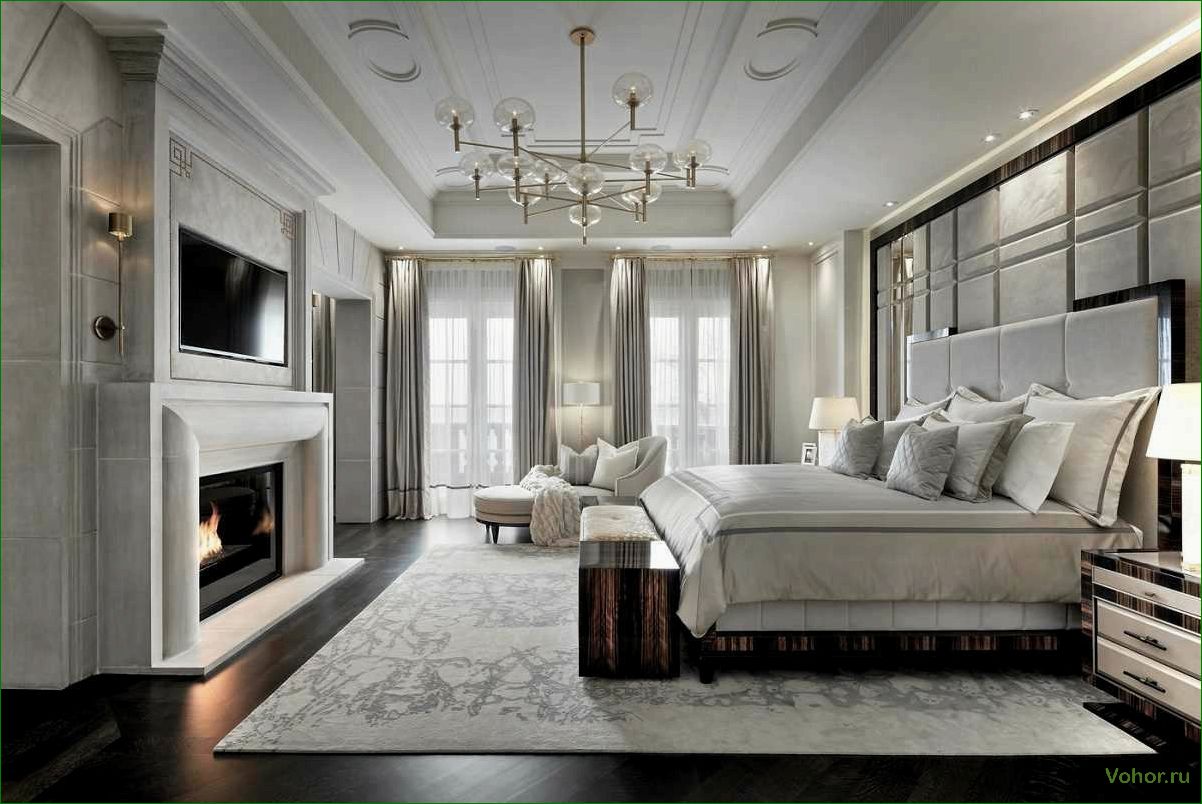
An important aspect of interior design is its functionality and ergonomics, which determine the convenience and comfort of staying in the room. Creating an effective layout, choosing comfortable furniture, and using space correctly – all this helps improve the functionality of the interior.
For example, when arranging a kitchen, it’s important to consider the food prep area, dishwasher, and refrigerator. These should all be positioned so that the space is convenient and efficient for cooking. In the bedroom, it’s important to ensure comfortable placement of the bed and closets, as well as convenient storage for clothes.
Selection of materials and furniture
In addition to proper layout, the functionality of the interior is also tied to the choice of materials and furniture. For example, using a dense and durable flooring material ensures easy cleaning and prevents scratches.

Furniture should not only be beautiful but also comfortable. The materials used can also affect its comfort. For example, a sofa with a solid frame and soft fabric will provide excellent support and comfort in hot weather.
Use of light and color
Light and color also play an important role in creating a functional and comfortable interior. Using properly placed light sources helps set the mood and can also improve the efficiency of the space.
Color can also influence our sense of comfort and mood. For example, pastel colors can create an atmosphere of calm and comfort in a bedroom or living room. Bright colors, on the other hand, can be suitable for a child’s room.
End result
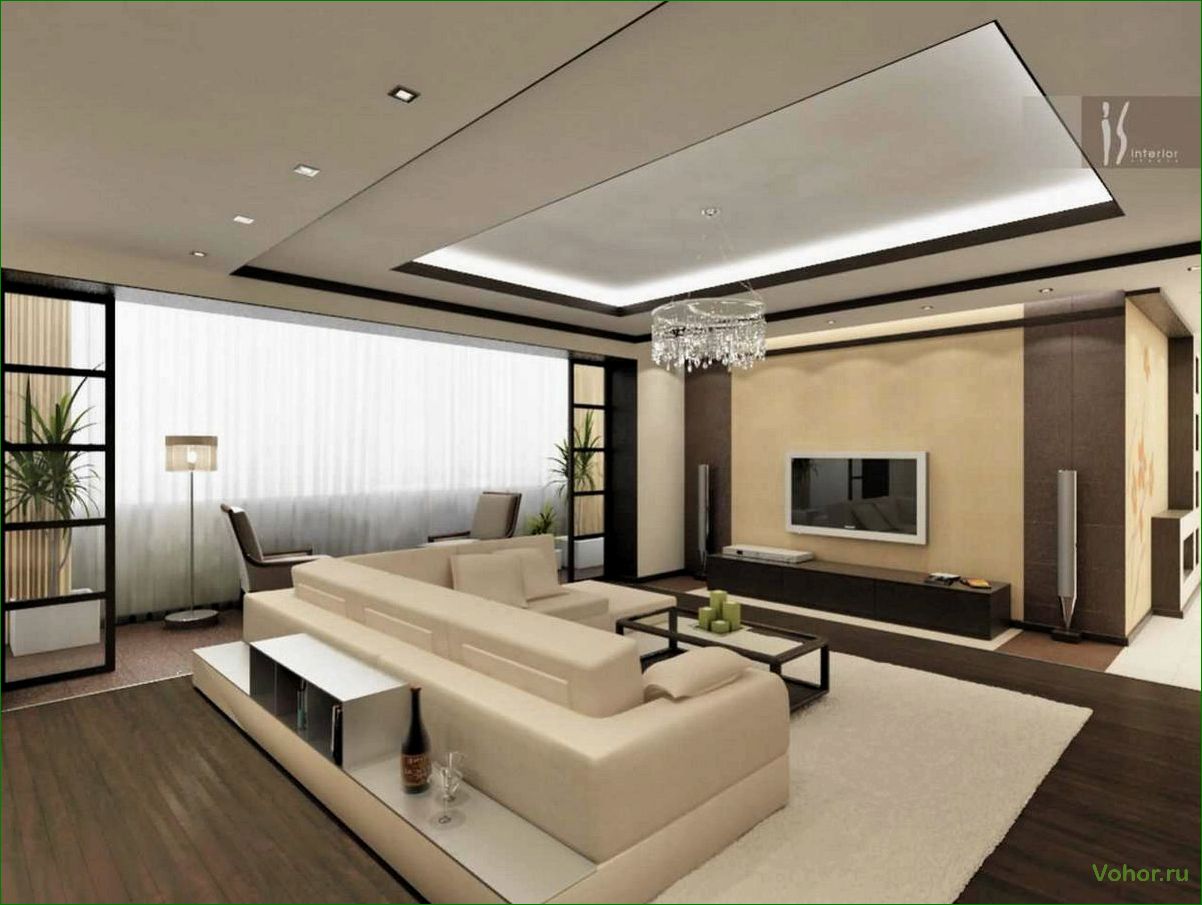
When functionality and convenience are combined in interior design, we get a comfortable, harmonious, and beautiful space that is a pleasure to be in. Such an interior not only highlights the individuality of its owners but can also improve the overall quality of life in the home.
Using Color Schemes and Lighting in Interior Design
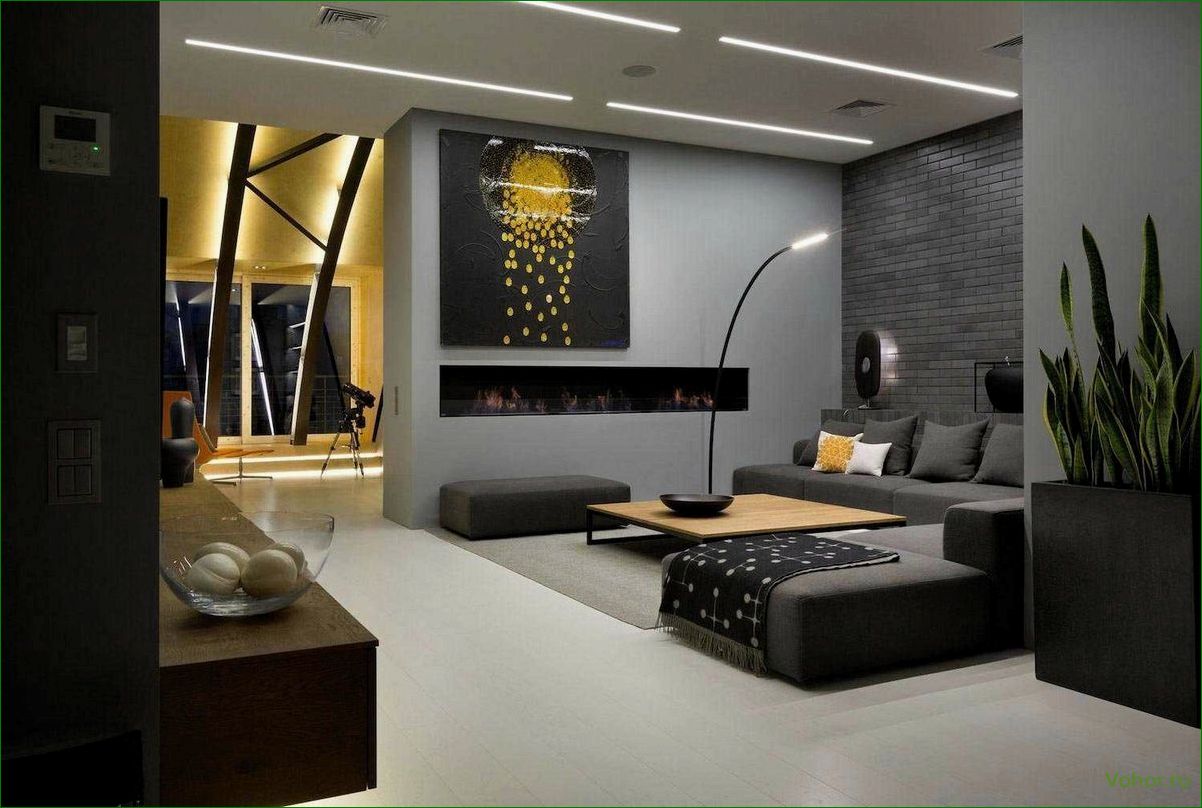
Color range
Color schemes are a crucial element of interior design. When choosing colors for a room, its functional purpose and psychological impact on a person should be considered. For example, bright and vibrant colors are usually used in children’s rooms or lounges to create a cheerful mood, while neutral colors are preferable for bedrooms and workspaces to create a calm and subdued atmosphere.
Colors can be perfectly combined or clashing. When choosing color combinations, the laws of harmony help avoid mistakes. Principles such as combining analogous colors, color contrast, monochromatic colors, and others can be used in interior design.
Lighting solutions
Light is an important component in interior design. With its help you can make the room cozy and comfortable. When choosing fixtures and lamps, it is necessary to take into account the proportions of the room, its overall style, the tasks it is intended to perform, and the properties of the light it emits.
A variety of fixtures and lamps can be used to achieve different effects. For example, the “soft light” effect you can create a cozy and relaxing atmosphere in the bedroom, and the effect of “cold light” will You can emphasize the laconicism and rigor of the room design.
Modern lighting solutions can also automatically adjust the brightness and tone of light, as well as adapt to the rhythm of human life.
Efficient use of space
The Importance of Planning
Efficient use of space is a key aspect in interior design. It is very important to plan every square meter of the room to maximize its potential.
This includes choosing the right furniture, laying out floors and walls, and other interior design elements. Planning helps determine the amount of natural light, access to power and plumbing.
Furniture
The choice of furniture is an important element in the rational use of space. Furniture should not only be functional, but also fit perfectly into the room without taking up much space. The compactness and functionality of products are also assessed during their use in the room.
You should use different types of cabinets, bedside tables and shelving that fit perfectly in different corners of the room. In addition, items such as a sofa bed or a folding kitchen table help to maintain free space and not create a clutter of furniture.
Additional interior design elements
- The correct use of color schemes helps to visually expand the space; methods of increasing the choice of lighting equipment or increasing the number of mirrors in the room are also used.
- It’s also important to make the right choice of decorative elements that support the functionality and richness of the room. Volumetric decorative elements should be installed at higher levels, and a rectilinear pattern used in decorative elements gives volume to the room.
- Using curtains and drapes in colors that are similar or complementary to each other helps to unite different areas in one space.
Current trends and styles in interior design
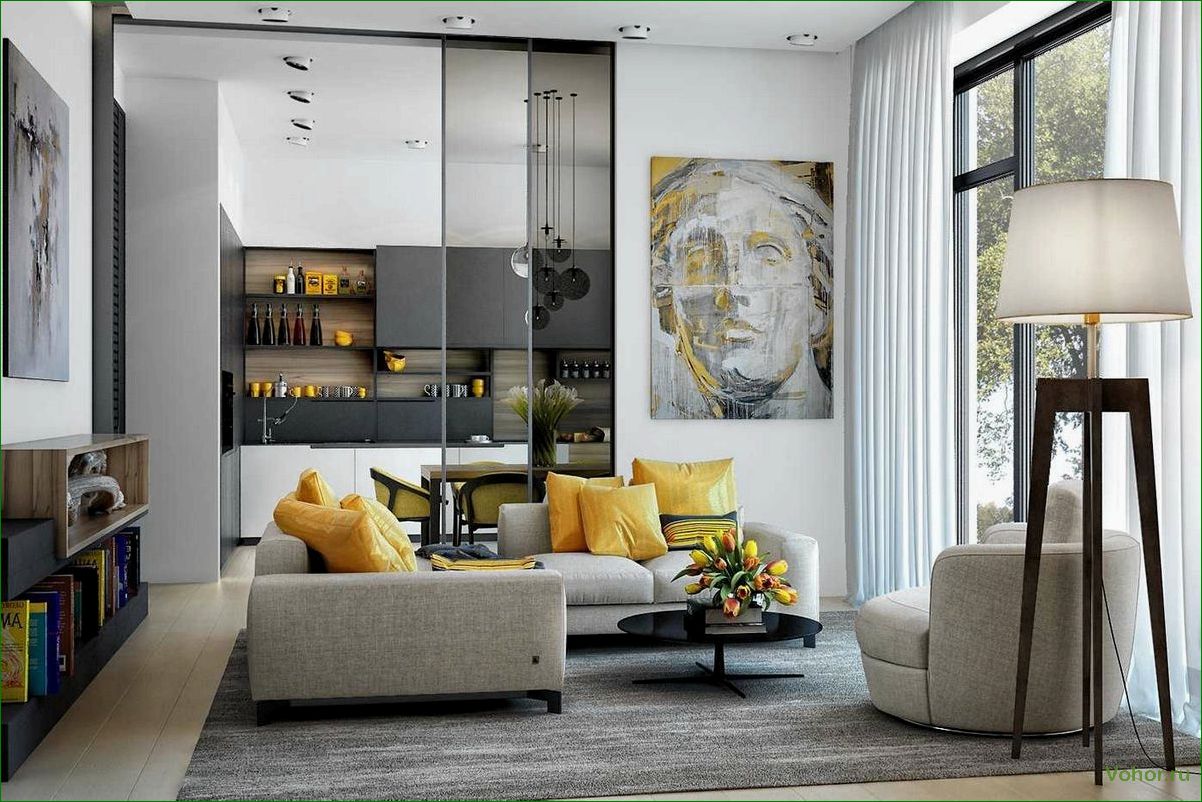
Minimalism
In recent years, the minimalist style has become popular. Its main features are simplicity of form and a minimum of details. The interior of minimalism uses strict geometric shapes, neutral colors and the absence of excessive decoration. One of the main advantages of this style is its versatility, as it is suitable for apartments, studios and offices.
Industrial
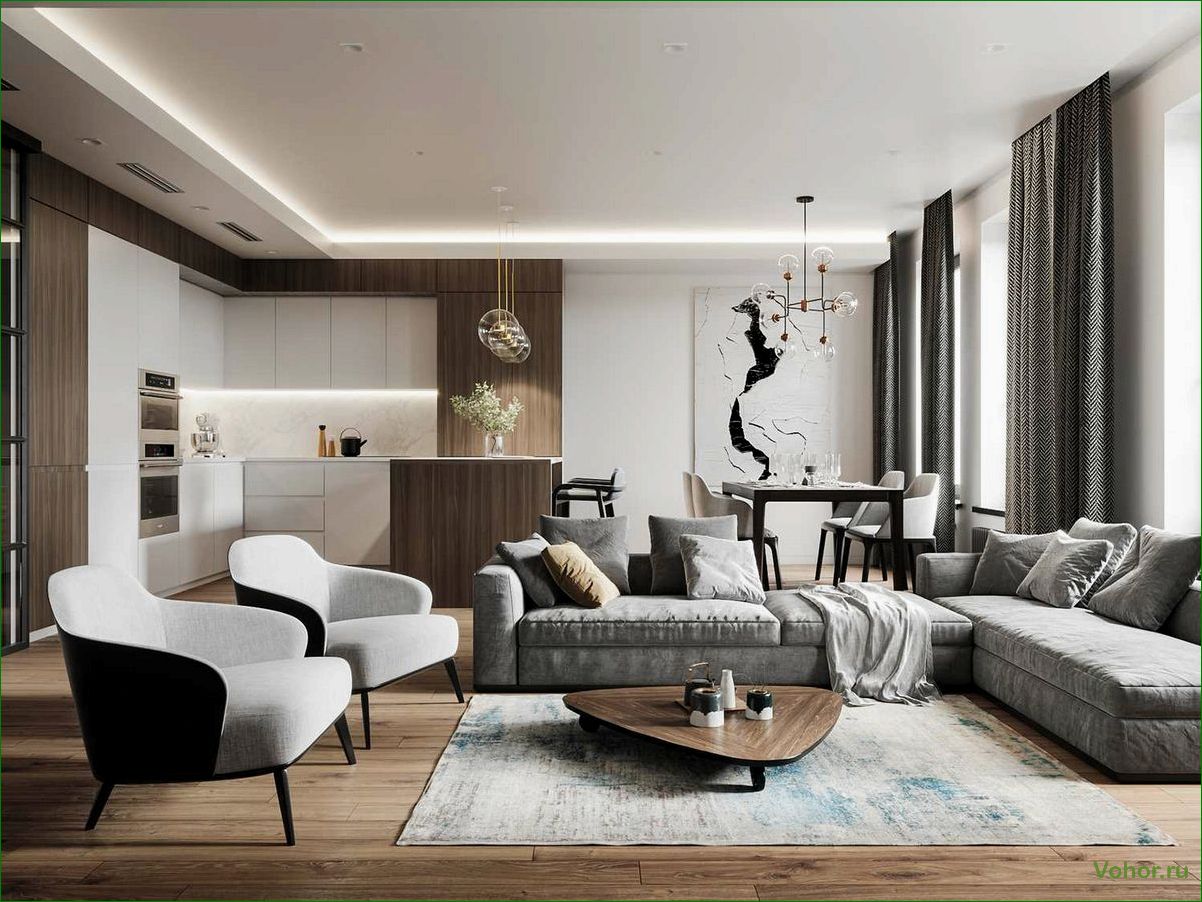
The style of industrial interior design began to be actively used in the mid-2000s. The central elements of such an interior are brickwork, high ceilings and metal or wooden furniture elements. Although this style is inspired by businesses and factories, it is important to maintain a cozy atmosphere when creating an interior in this style.
Modern classic style
Modern classic style is a combination of classical elements with columns, but in combination with more modest decorative elements. Thus, smooth shapes and lace are organically combined with beautiful carvings on the ceiling, fireplace, elegant chandelier or artistic composition of wall decorations.
- Minimalism.
- Industrial.
- Modern classic style.
| Title | Characteristics |
|---|---|
| Minimalism | Simplicity of form and minimum of details. Strict geometric shapes, neutral colors and lack of excessive decoration. |
| Industrial | Brickwork, high ceilings and metal or wood furniture elements. |
| Modern classic style | A combination of classic elements with innovative finishes and decor. |
Individual approach to creating interior design
Selection of interior style
Individual approach to creation interior design in Ufa involves selecting a style that meets the client’s requirements. Some people like a classic style, while for others it is important that everything is done in a modern style. There are also those who are inclined towards eclecticism or more experimental solutions. It is important to find out the client’s preferences and offer a solution that will satisfy his needs.
Taking into account individual characteristics
An individual approach to creating interior design also involves taking into account the individual characteristics of the client. For example, if a person with disabilities lives in an apartment, it is necessary to take into account his needs when designing the interior. You also need to take into account the peculiarities of the client’s lifestyle, his hobbies, profession, etc.
Use of non-standard solutions
An individual approach to creating interior design involves the use of non-standard solutions. For example, this could be the use of unusual materials for finishing walls or ceilings, the creation of non-standard furniture, as well as the use of original lighting solutions. All this will help create a unique design that will meet the client’s needs.


