Common ivy
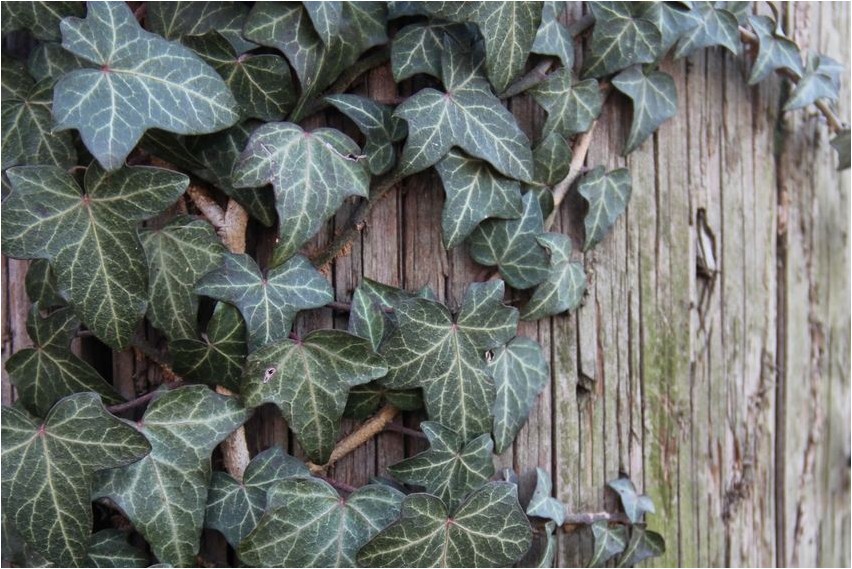
Common ivy is also known under the name hedera. In Latin, the name of this plant will be as follows: Hedera helix.
Common ivy is one of the plants of the family called Araliaceae, in Latin the name of this family will be: Araliaceae.
Description of common ivy
In order for this plant to develop favorably, it will need to be provided with a sunny light regime. However, you should also remember that penumbra and shadow modes are acceptable. Throughout the entire summer period, it is important to provide the plant with abundant watering, while air humidity should be kept at an average level. The life form of common ivy is an evergreen vine. Landscaping work can be ordered on the website https://pokos-spil. ru and they get to work in the shortest possible time.
This plant can often be found in various greenhouses, as well as in winter gardens, where common ivy is used both as a ground cover plant and for vertical gardening. In addition, in general purpose premises and indoors, this plant is used as a hanging crop, and is also used for vertical gardening.
As for the maximum size in culture, the length of shoots of common ivy can reach approximately five meters.
Description of the features of care and cultivation of common ivy
In order for this plant to consistently please you with its attractive appearance, you will need to replant it regularly: approximately once every few years. To transplant common ivy, it is recommended to use either pots of standard proportions or hanging flowerpots. As for the composition of the soil mixture itself, you will need to mix one part of sand and leaf soil, and also add three parts of turf soil. The acidity of such soil can be not only neutral, but also slightly acidic.

It is important to remember that the forms of this plant, endowed with dark green leaves, should be kept either in the shade or in partial shade. At the same time, variegated forms require bright but diffused light for normal development. It should be noted that when grown in south-facing windows, this plant may suffer from excessive heat. It is noteworthy that common ivy adapts quite easily to dry air, however, in order for the plant to grow more intensively, regular spraying will be required. In some cases, common ivy may become infected with spider mites.
Throughout the rest period, it is recommended to maintain an optimal temperature between ten and fifteen degrees Celsius. When a plant is grown at home, the occurrence of such a dormant period becomes forced. In this case, the dormant period of common ivy will begin in October and last until February. The occurrence of this period should be associated with an insufficient degree of air humidity, as well as with reduced illumination.
Common ivy is propagated by rooting apical cuttings. It should be noted that this can happen throughout the year, and the substrate can remain anything.
The specific requirements of this culture include the need for support, which is associated with the presence of so-called climbing shoots in common ivy.
The leaves of this plant are alternate and simple. These leaves will also be bare, leathery and shiny, and their veins are lighter in color. Depending on the variety of this plant, the shape of the leaves will differ.