Cable support systems and their role in organizing routes and networks for electrical wiring
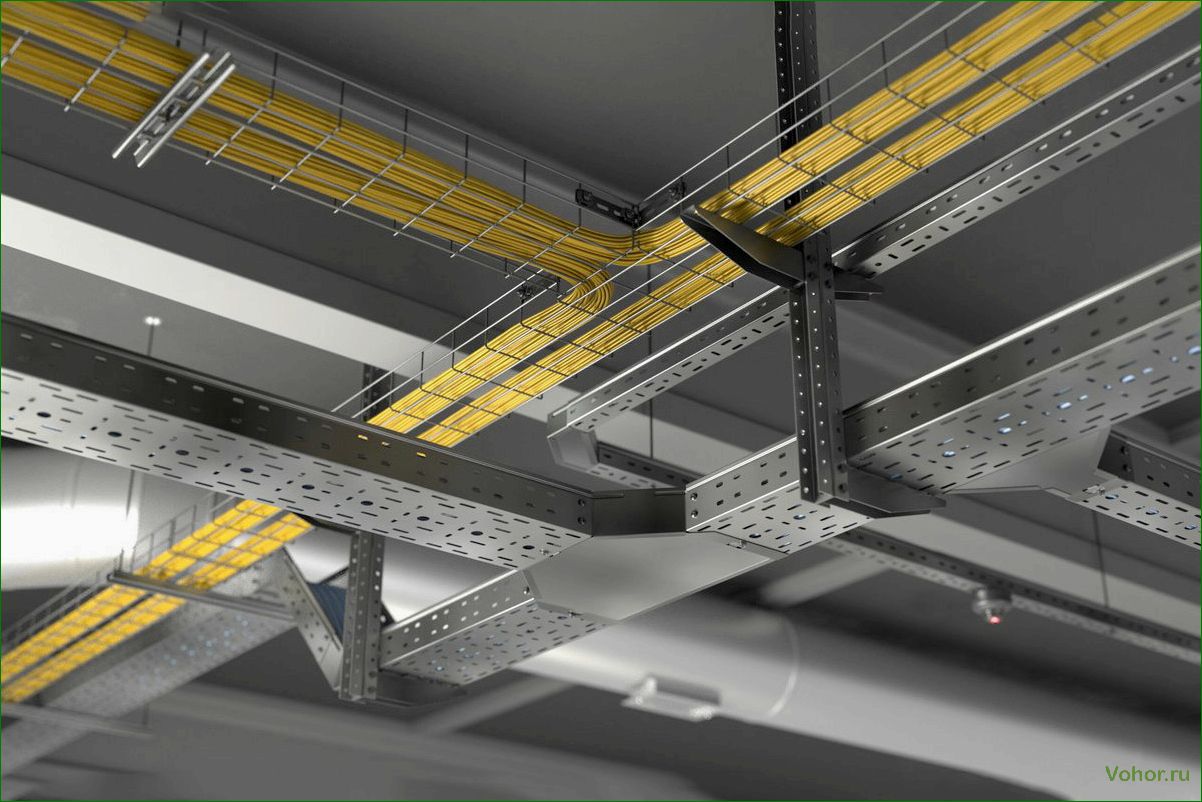
To optimize electrical installation products, you should pay attention to cable support systems. These designs not only keep electrical wiring tidy, but also increase the longevity of the systems. They allow you to effectively distribute the load and protect cables from mechanical damage and external factors.
Contents of the article:
when choosing cable support systems, it is important to consider their materials and designs. Metal systems are excellent for industrial facilities where high strength is required, while plastic systems are ideal for office spaces, providing ease of installation and quiet operation. Both categories offer a variety of elements suitable for specific tasks.
Do not forget about the installation and maintenance of cable support systems. Correct installation and regular inspection of the condition will notify you of the need for repair or replacement of elements, which significantly reduces the risk of breakdowns. Integration of cable support systems into the infrastructure ensures the safety and reliability of power supply, which is especially important in the context of growing business dependence on high-quality electricity.
Selecting cable management systems for commercial buildings
When choosing cable management systems for commercial buildings, look for materials and designs that ensure durability and safety. For example, steel structures are recommended for heavy loads and protection from mechanical damage. Aluminum analogues are lightweight and well suited for use in areas with limited access.
- Determine operating conditions. For humid and aggressive environments, use systems made of corrosion-resistant materials or plastic cable ducts. Please note that the protective properties of packaging and insulation, also according to the requirements for electrical installation products, are an important part of the selection.
- Check the loads. Design your system with flexibility to accommodate future changes to your infrastructure. This will avoid repeated installation costs. Consider cable types, sizes and power requirements.
- Please note compatibility with other electrical installation products. Ensure connection versatility to reduce installation time. Also consider ease of installation and employee access to maintain the system.
- Aesthetics also play a role. Choose these systems that fit harmoniously into the overall interior of a commercial building. This is especially true for offices and public spaces.
- Regulate interactions with contractors. Agree on installation and repair details in advance. Transparency in working with these systems ensures safety and reliability at all stages of operation.
The choice of cable support systems requires a careful approach. Balance all the parameters to ensure a reliable, long-lasting electrical infrastructure for your commercial building.
Standards and regulations for the installation of cable support systems
When installing cable support systems, it is necessary to strictly follow the current standards and regulations. This will ensure the safety and reliability of all electrical installations in the building. Start by studying current documents, such as “National Standards” (GOST), as well as international standards, for example, IEC.
Basic regulatory documents
Among them you will find GOST R 51901. 1-2002, which covers the basics of design and installation of cable support systems in residential and public buildings. It is also important to familiarize yourself with the NTD (Normative and Technical Documentation), which regulates the safety parameters and labor intensity of installing such systems.

Requirements for materials and installation
Cable support systems must meet certain material requirements. Use only certified electrical installation products , which can withstand the declared loads and have appropriate quality certificates. Carry out regular inspections of installation sites to detect and correct possible defects.
Installation of such systems taking into account all requirements for thermal insulation and protection from mechanical damage. When installing systems, it is important to monitor the permissible temperature and humidity to ensure the durability of the materials. Also consider cable management to minimize electromagnetic interference and ensure systems are accessible for future maintenance.
To summarize, compliance with all standards and regulations not only guarantees safety, but also extends the service life of cable management systems. Pay attention to the quality of the materials used and strictly follow the recommendations during the installation process. This will create a reliable infrastructure that allows all your building systems to operate efficiently.
Problems of operation and maintenance of cable support systems
Regularly check the condition of cable support systems. The main problem may be corrosion of metal structures. Use anti-corrosion coatings and materials specifically designed for use in aggressive environments.
Pay attention to the correct installation of electrical products. Incorrect installation may result in overloading of the structure, which will significantly reduce service life. Follow the recommended loads specified by the manufacturer.
Pay special attention to maintaining order in these systems. Regular cleaning of dust, dirt and foreign objects prevents overheating and reduces the risk of short circuits. Use protective covers and elements to minimize contamination.
Control the operating temperature. Overheating can cause damage to the insulation and, as a result, failure of the cables. Use heat-dissipating panels and systems to maintain an optimal climate.
Be sure to keep an eye out for external damage. Mechanical stress or vibration can compromise the integrity of the structure. Install protective boxes in areas subject to physical impact.
Check that the materials used comply with current standards and requirements. Regular audits and revisions of equipment help maintain good operating conditions and prevent potential operational problems.
Do not forget about the qualifications of the service personnel. Conduct training and education for employees so that they are familiar with the peculiarities of working with cable management systems and can identify malfunctions in a timely manner.


