How to repair your dishwasher yourself and return it to its original functionality and efficiency
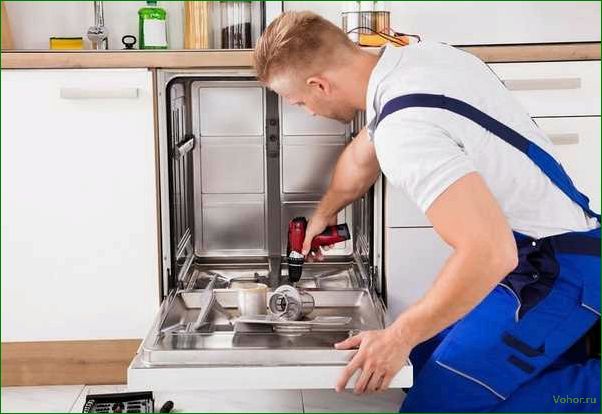
A dishwasher is an indispensable kitchen assistant that makes our daily life much easier. It allows you to wash dishes quickly and efficiently, freeing up your time for more enjoyable activities. However, like any other equipment, dishwashers can break down and require repairs.
Contents of the article:
dishwasher repair is a complex and responsible process that requires professional skills and knowledge. In many cases, in order to restore the functionality of a broken device, it is necessary to carry out diagnostics, determine the cause of the malfunction and replace damaged parts. Precision, accuracy and ability to work with electronics and mechanisms are required.
Applying for Indesit dishwasher repair to professionals, you can be confident in the quality and reliability of the work performed. Experienced technicians will be able to quickly and effectively fix any breakdowns and return your dishwasher to its previous performance. Moreover, they will be able to give you recommendations on how to care for your equipment to prevent future problems.
Main causes of failure
Dishwashers can fail for a variety of reasons. The main causes of breakdowns are listed below:
- Incorrect operation. Often people load dishes incorrectly, do not follow operating hours, or use unsuitable detergents. This may cause the machine to malfunction and cause damage.
- Clogged filters. Your dishwasher has filters that need to be cleaned regularly. If the filters become clogged, this may cause machine problems.
- Pump fault. The pump is responsible for circulating water in the machine and supplying water to the dishes. If the pump fails, the machine may stop working.
- Electronics malfunction. Electronics control the operation of the dishwasher. If the electronics fail, the machine may not start or may not operate properly.
- Leak. A leak in your dishwasher can be caused by a variety of reasons, such as a damaged hose or a faulty valve. A leak can cause a short circuit and damage the machine.
- Worn parts. Like any other appliance, dishwashers wear out over time. Worn parts such as gaskets, rubber seals or valves can cause machine failure.
If your dishwasher breaks down, it is recommended that you contact a professional to diagnose and repair it. Do not attempt to repair the machine yourself unless you have the appropriate skills and experience to avoid further damage.
Water doesn’t heat up
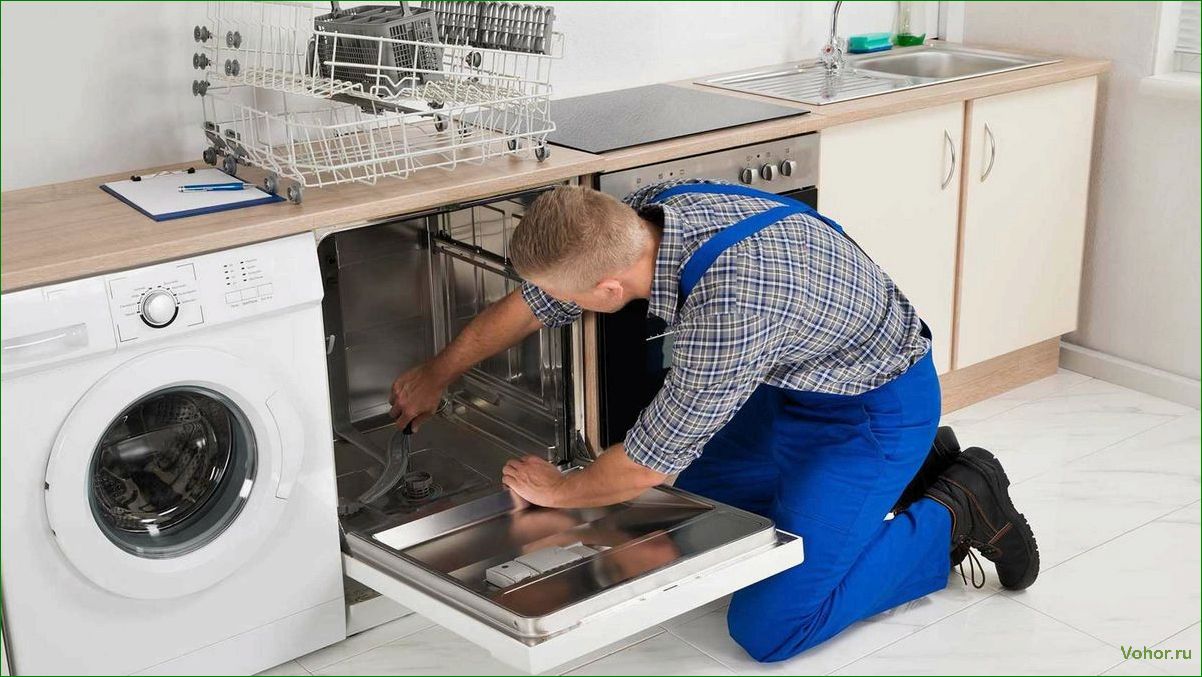
The first step in solving this problem is to check the dishwasher’s electrical connection. Make sure the machine is plugged in and that there are no wiring problems.
If the connection is ok, the next step is to check the thermostat. The thermostat is responsible for regulating the temperature of the water inside the machine. If the thermostat is faulty, it may not send a signal to the heating element, resulting in the water not heating.

You can use a multimeter to test the thermostat. Set your multimeter to resistance test mode and check the resistance of the thermostat. If the resistance is not normal, the thermostat must be replaced.
If the thermostat is working, the next step is to check the heating element. The heating element is responsible for heating the water inside the machine. If the heating element is faulty, it may not generate enough heat to heat the water.
You can also use a multimeter to check the heating element. Set the multimeter to resistance test mode and check the resistance of the heating element. If the resistance is not correct, the heating element must be replaced.
If after carrying out all the above steps the problem with water heating is not resolved, it is recommended that you contact a professional technician or service center to diagnose and repair the dishwasher.
Broken pump
A sign of pump failure may be a lack of water while the machine is running or improper distribution of water inside its chamber. The machine may also make strange noises during operation or refuse to start at all.
To replace a broken pump, you must first disconnect the dishwasher from the power and water supply. Then, remove the bottom panel of the machine and locate the pump, which is usually located at the back. The pump is held in place with several screws or clamps that need to be loosened. After this, you can remove the old pump and install the new one in the reverse order.
If you are inexperienced in dishwasher repair, we recommend consulting a professional. Incorrectly replacing the pump can cause further damage to the machine.
Drain doesn’t work
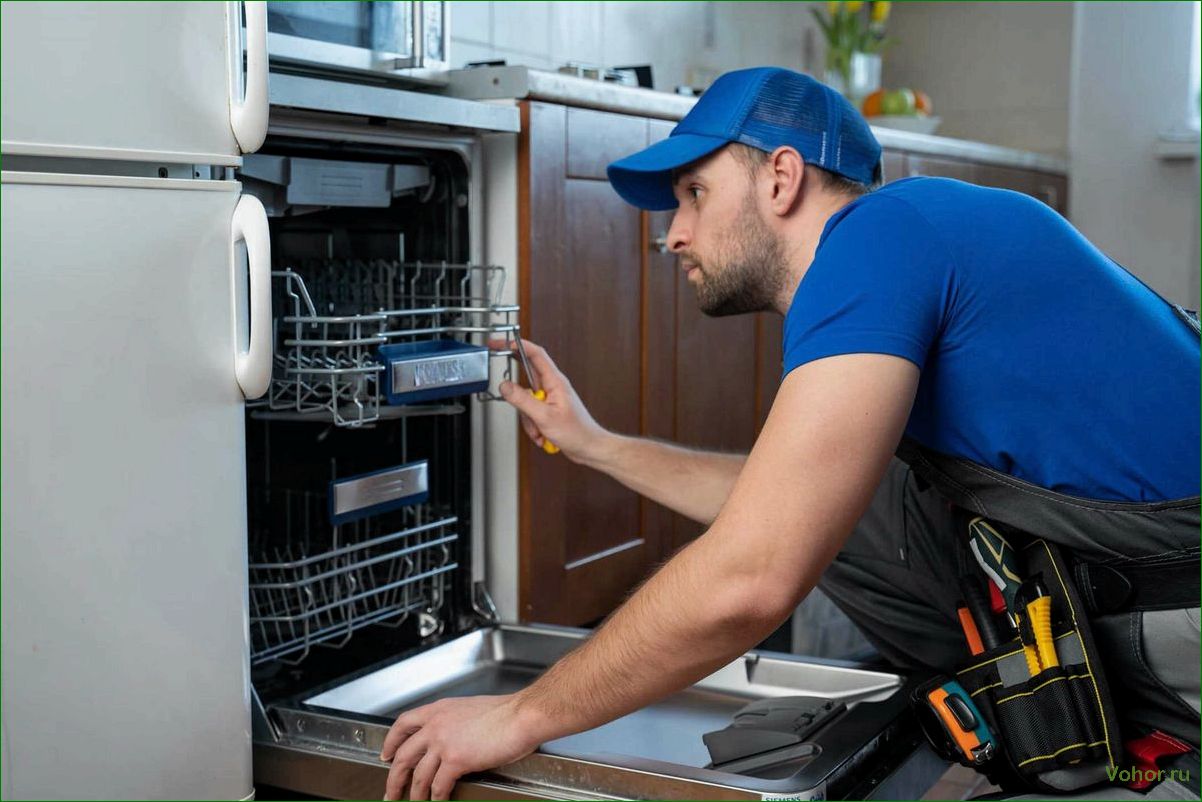
1. Clogged drain hose. Check the drain hose for obstructions, such as food waste or other debris. If the hose is clogged, water will not drain properly from the dishwasher. Clean the hose to restore proper drainage.
2. Incorrect drain hose connection. Ensure that the drain hose is properly connected to the sewer system. Check for kinks or kinks in the hose that could prevent water from draining properly. If necessary, repair the hose connection.
3. Defective drain pump. If the drain hose and drain connection are in good condition, the problem may be related to a faulty drain pump. The drain pump is responsible for pumping water out of the dishwasher. If the pump is not working, water will not drain. Contact a professional to replace or repair the drain pump.
If you are unsure of the cause of the problem, it is recommended to contact a professional for diagnosis and repair of the dishwasher. Do not attempt to disassemble or repair the dishwasher yourself unless you have the necessary experience and knowledge.


