Cactus care

One of the most popular and seemingly unpretentious houseplants is cacti. Multi-colored, crazy shapes and sizes. With thorns, flowers, leaves. Desert inhabitants are able to brighten up any interior and fit into any flower bed or greenhouse.
Blooming cacti are a stunning sight. They attract insects, birds and animals. Each cactus has its own scent during flowering and is loved by nocturnal animals and insects.
Transplanting cacti
Household cacti should be replanted once every couple of years, around March – in the spring. Before replanting, do not water the cactus for several days so that the soil in the pot dries out and you can carefully pull out the plant with roots along with the soil, and add the missing layer of soil in the new pot only on the sides. First place pebbles or shards at the bottom of the pot and add some earth.

It is better to water the transplanted cactus after a couple of days in the new pot. Avoid exposing your newly planted cactus to bright sun or cold. It is better to remove the cactus from the pot with gloves; the spines of some varieties leave unpleasant, painful wounds that will take a long time to heal and possibly fester. A cactus needs a lot of space, light and air. In summer it is better to put it on the porch or balcony. Contrary to expectations, the cactus will get along well in street flower bed , and in the greenhouse.
It is better to take light soil, you can even mix the soil with sand – in this regard, the cactus is not picky. You can fertilize if you wish at the beginning of summer; look for phosphorus and potassium in fertilizers; on the contrary, avoid nitrogen. If you have just transplanted or recently grafted a cactus, wait with fertilizer until it has fully adapted.
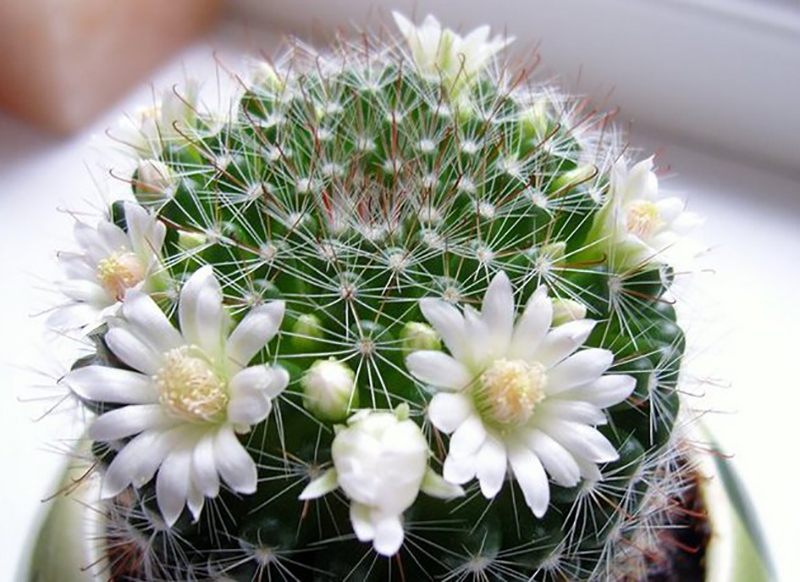
It is better not to water the cactus in fog or cloudiness. If the climate in the house is humid, do not overuse water and spraying. Do not water frequently. It’s better to pour water into a tray – this way the roots will take as much as they need. It’s better to spray early in the morning – when the sun just starts to warm up, it’s like dew in its natural environment.

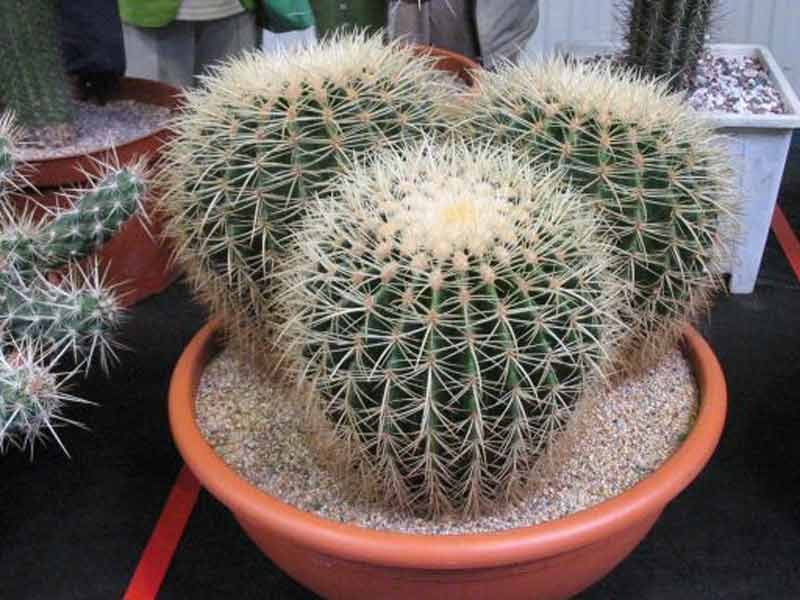
In winter, home cacti should be kept dry and cool, as if sleeping – thanks to winter rest in the spring, there is a high probability of flowering, and they will grow much better.
Reproduction of cacti at home.
The first method is cuttings. A very simple scheme of action – you need to pull the cactus out of the pot and soak it roots in water , then the budding area is taken away from the main plant and transplanted into a small pot.
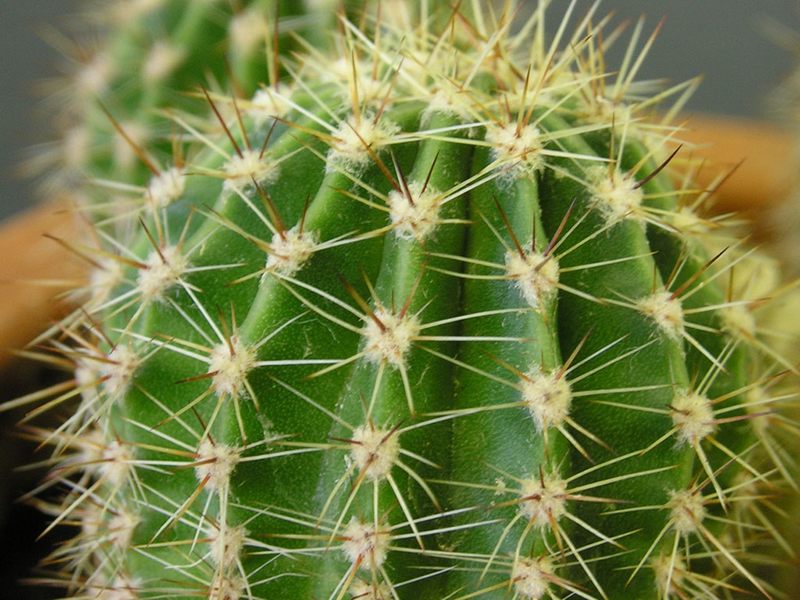
The second method is escape. Very popular among professional flower growers – you should cut off the shoot in the right place and place it in a disinfectant solution for two to three days, then replant it in the ground.
The third method is seeds. You can buy seeds in many large flower chains; there are usually instructions on the packaging, but just in case, the seeds are placed in a weak solution with potassium permanganate for a couple of hours, and then planted according to the standard scheme, with a little soil sprinkled on top.