How to Create Effective Presentations for Museums: Tips and Tricks
A museum is a place where history, science and culture come together in one harmony. And undoubtedly, one of the most effective ways to make a museum visit more memorable is the use of presentations. A presentation can convey not only important information, but also help visitors delve deeper into the theme of the exhibition.
Contents of the article:
- Presentations for museums
- Types of presentations for museums
- Benefits of using presentations in a museum
- Technical preparation of the presentation for the museum
- Structure of a presentation for a museum
- How to choose a presentation topic for a museum
- Creating interactive content for museum presentation
- Examples of effective presentations in a museum
- Assessing the effectiveness of a museum presentation
in this article, we’ll outline the main benefits of museum presentations, share tips on how to create and use them correctly, and look at some examples of successful museum presentations that have helped draw attention to relevant exhibitions.
If you organize museum exhibitions or work in a museum and want to make visiting your exhibition even more interesting and memorable for visitors, this article will definitely be useful for you.
Presentations for museums
What types of presentations are there for museums and how are they used?
Presentations for museums can be of different types and for different purposes. Some presentations are designed to introduce visitors to the history of the museum, others – to the exhibits and their features. There are presentations that showcase scientific research conducted within the museum, as well as presentations created by art historians.
Presentations can be used in a museum in a variety of formats. Some museums create a special room where you can watch documentaries, presentations and videos. Others use presentations as part of tours and lectures to talk about specific exhibits or thematic exhibitions.
How to create a quality presentation for a museum
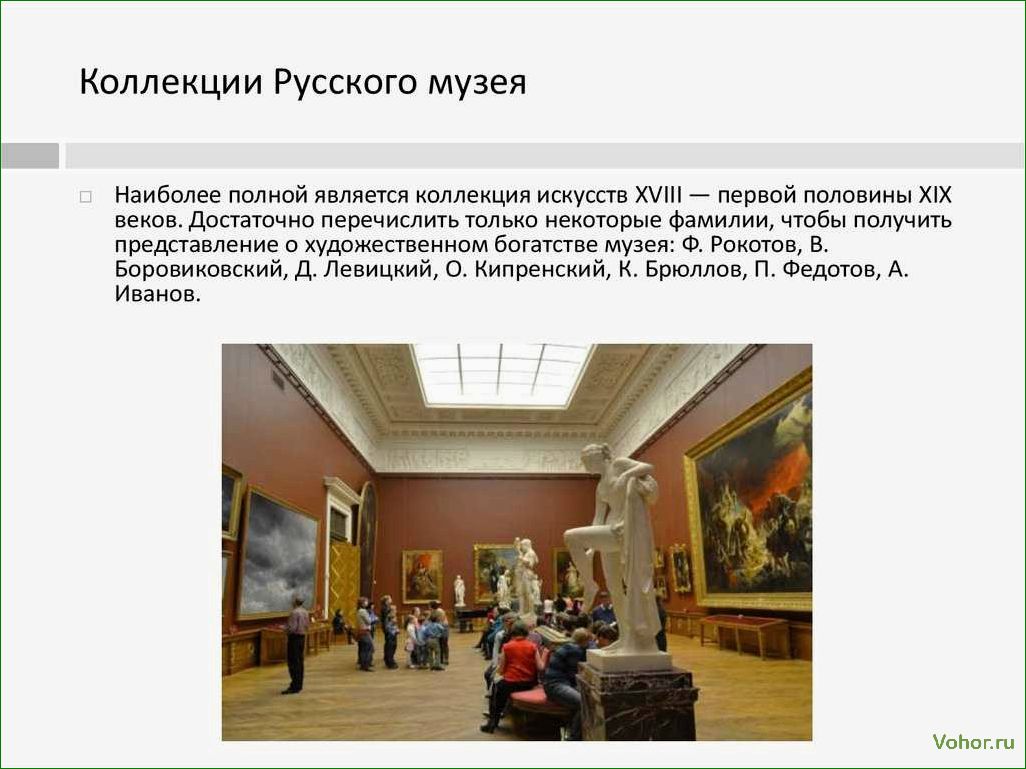
Creating a high-quality presentation for a museum requires certain skills and abilities. The presentation should be concise and informative, containing not only text, but also various multimedia materials: photographs, videos, audio recordings. It is also important to understand for what audience the presentation will be created: for schoolchildren, students, professional art critics or simply culture lovers.
To create a presentation, you can use special programs, such as Microsoft PowerPoint or Prezi. But it’s important to remember that the most important thing in a presentation is the material you want to convey to your audience. Therefore, it is worth considering the structure of the presentation, the sequence of displaying materials and images. And if you are not sure how to properly prepare a presentation, you can seek help from specialists in the field of museum studies and information visualization.

Types of presentations for museums
Art galleries
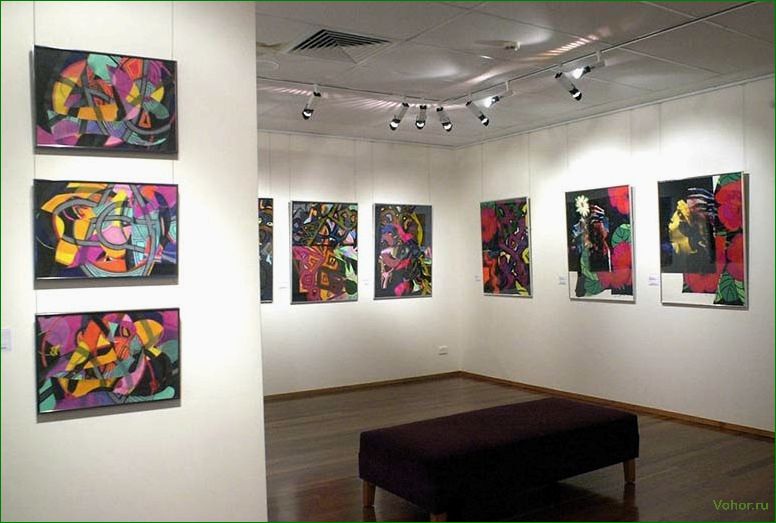
Art galleries are one of the most popular types of presentations for museums. This is a place where you can see a collection of works of art displayed in a beautiful and aesthetically pleasing manner. Art galleries often feature walls covered with paintings arranged in chronological order or by theme.
Cultural exhibitions
Cultural exhibitions are presentations for museums , dedicated to specific cultures and their history. They may contain various cultural items (eg clothing, weapons, tools), as well as photographs, videos and audio recordings. Cultural exhibitions are an excellent example of how museums can present cultural heritage in an attractive and engaging manner.
Scientific and technical exhibitions
Science and technology exhibitions are presentations about science and technology. They may include exhibits related to inventions, technology and scientific discoveries. Science and technology exhibitions are an excellent opportunity for museums to show how science and technology are changing the world.
- Picture galleries.
- Cultural exhibitions.
- Scientific and technical exhibitions.
Benefits of using presentations in a museum
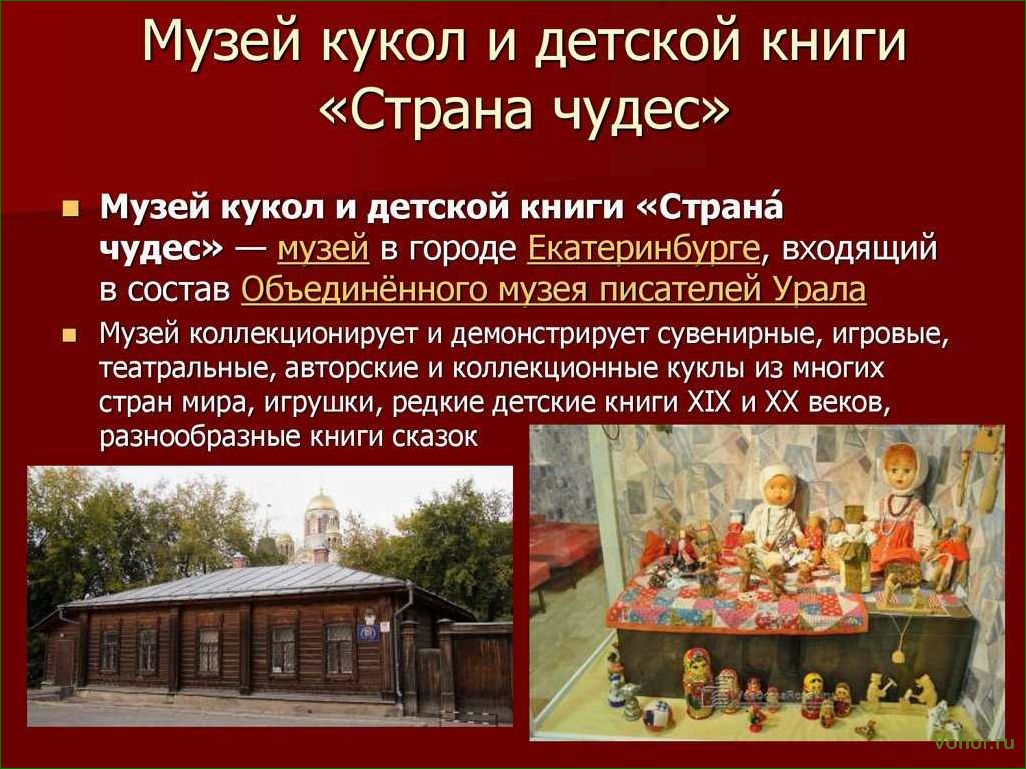
Data visualization is one of the main benefits of using presentations in a museum. Thanks to the presentation, information about the items on display can be presented in the most visual and attractive form.
Increased engagement is another benefit of using presentations in a museum. Visitors may learn information better if it is presented in presentation form, as this method is easier to digest than simple text descriptions.
Saving time and effort is another reason to use museum presentations. This allows visitors to use their time efficiently and get the most useful information in the least amount of time. This also reduces the workload on tour guides and museum staff.
Reduced maintenance costs – the use of presentations allows you to reduce the cost of preparing and maintaining the museum. Instead of photographs or images, you can use presentations that can be updated and new information added.
Promoting the Museum’s Brand – Presentations can also be used to promote the museum’s brand. Thus, presentations can increase visitor numbers and increase museum revenue.
Technical preparation of the presentation for the museum
A museum presentation is an important tool that allows viewers to learn more about the objects on display and immerse themselves in their history and culture. The technical preparation of a presentation plays a key role in ensuring a high level of quality.
Before creating a presentation, you need to determine what technical means will be used to display it. This could be a computer, projector, screen and sound system. It is also important to ensure that the equipment used is compliant and does not violate museum regulations.
- Presentation Structure: A well-planned presentation structure will help convey information to the audience. It is important to identify the main topics and organize them in a logical order.
- Use of Graphics and Animation: The use of graphics and animation makes the presentation more attractive and understandable to the audience. However, these elements should not be overused in the presentation, as this may distract attention from the main topic.
- Checking technical equipment: Before starting the presentation, it is necessary to check the technical equipment for any malfunctions. This check will help you avoid unpleasant situations during the show.
Creating a presentation for a museum is an important and thoughtful process that requires careful preparation and the use of modern technical tools. Successful technical preparation leads to an interesting, informative, and memorable presentation.
Structure of a presentation for a museum
A museum presentation is an important means of informing visitors about the exhibits on display. Its structure can vary depending on the theme and purpose of the presentation, but typically consists of the following elements:
- Introduction. The presentation begins by introducing the exhibition’s theme, providing visitors with the general context of the exhibition, and engaging their attention. Using fascinating facts about celebrities, history, culture, and art is a great way to engage viewers and keep them interested.
- Main Body. Next comes the main body of the presentation, which describes the exhibits in detail, discusses their significance, and discusses relevant facts. Images, visual elements, and interactive modules are often used to allow visitors to more deeply understand and experience the exhibition’s theme.
- Conclusion. The final section of the presentation is the conclusion. It typically summarizes the presentation and provides a brief summary of the exhibition’s theme. It can also reiterate the facts presented during the presentation and highlight opportunities to learn more about the topic. When creating a museum presentation, it’s important to consider the specific audience and the format of presentation. The presentation can be enhanced with interactive elements, such as computer games, surveys, and more, which can increase viewer engagement and make the museum visit more memorable.
How to Choose a Museum Presentation Topic
How to choose a presentation topic for a museum
First and foremost, it’s important to consider the specifics of the museum and its collection. The presentation topic should reflect the unique features of each museum and attract visitors’ attention.
It’s also important to consider the interests and needs of your audience. It’s recommended to conduct a visitor analysis to understand what presentation topic they’ll be interested in.
It’s equally important to consider the topic’s relevance. Avoid outdated or little-known topics that won’t be of interest to visitors. It’s better to choose a topic that’s relevant to current events and resonates with people.
In addition, do not forget to focus on who will be making the presentation. This will help you choose a topic that will be most convenient and interesting for the presenter. His enthusiasm and knowledge will help make your presentation unique and memorable.
Creating interactive content for museum presentation
Creating interactive content for museum presentation
Basic criteria for a successful presentation
Vivid and memorable content;
- Visual appeal;
- Availability of interactive elements;
- Presenting information in an engaging way.
- Particular attention must be paid to the quality of images and texts that will be used in the presentation. They should be as clear as possible and accessible to visitors of all ages.
Examples of interactive elements for presentation in a museum
Examples of interactive elements for presentation in a museum
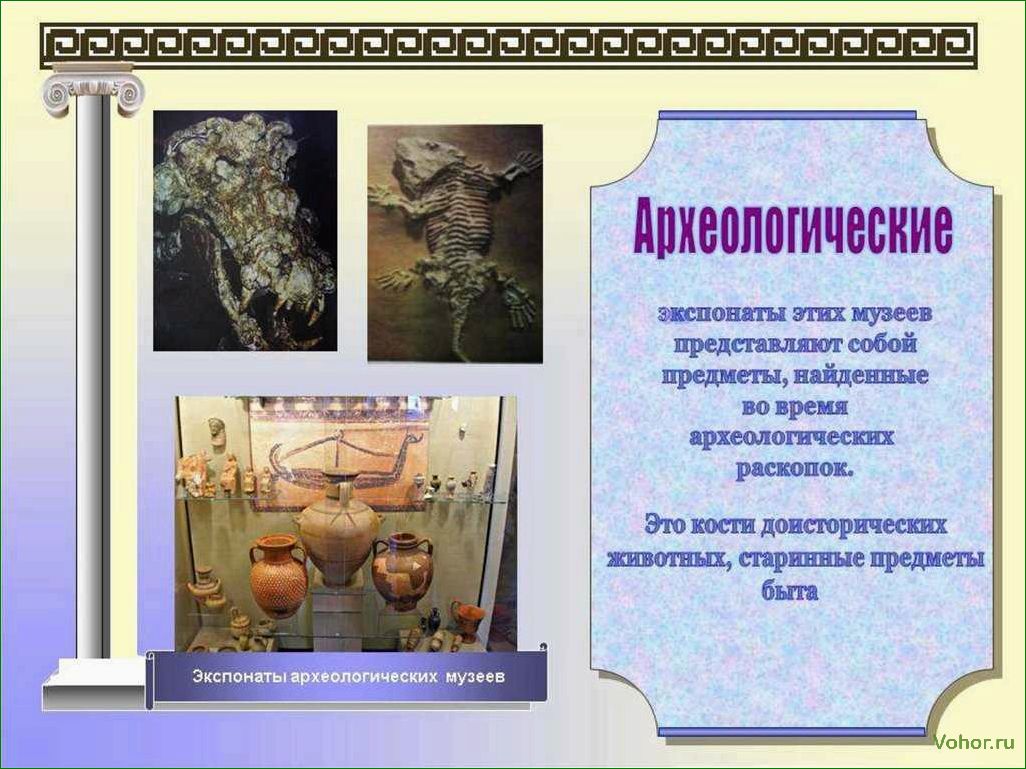
Projection screens and interactive panels;
- Audio guides and audio recordings;
- Videos and interactive games;
- Sound and light effects;
- Virtual reality objects.
- The use of interactive elements allows you to make the presentation of a museum exhibition not only more interesting and memorable, but also more understandable for visitors.
Tips for creating a presentation for a museum
Tips for creating a presentation for a museum
Take into account the interests and needs of the target audience;
- Plan content in advance and carefully think through every detail;
- Give preference to bright and memorable images;
- Use the most accessible language when writing texts;
- Create interactive content taking into account the features of the exhibition.
- A successful presentation for a museum is always created taking into account the characteristics of each exhibition, as well as the needs and interests of the target audience. By following the tips above, you will create a truly memorable and interesting presentation.
Examples of effective presentations in a museum
Examples of effective presentations in a museum
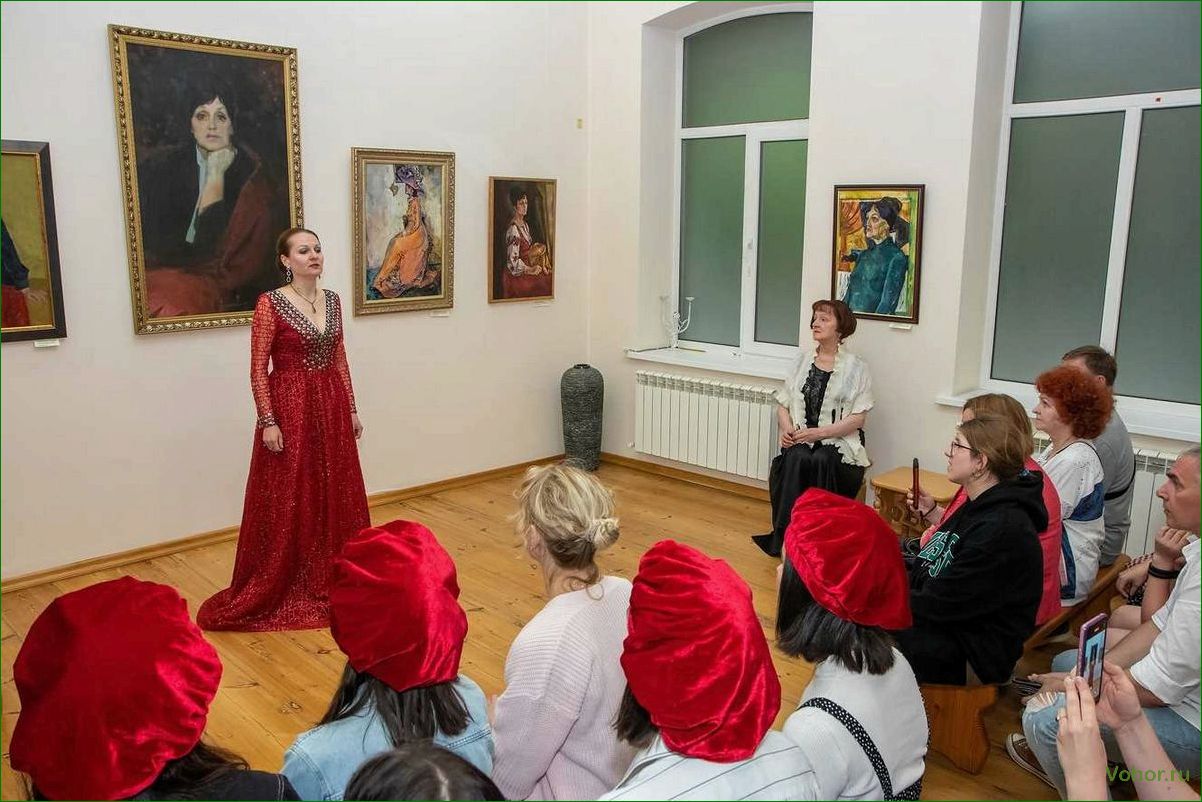
1. “History Alive”
Description: exhibition of historical professions, recreating the atmosphere of the past
- Advantages: appeal to a wide audience, use of advanced technologies
- Success: high level of attendance
- 2. “Collectors Corner”
2. “Collectors Corner”
Description: exhibition of collector’s items and their stories
- Pros: Appeal to art lovers and collectors, interesting story about collecting
- Success: increased number of museum visitors
- 3. “Interactive exhibits”
3. “Interactive exhibits”
Description: exhibition with interactive exhibits
- Advantages: increasing the level of visitor engagement, learning new knowledge through the game
- Success: increased museum attendance
- 4. “Modern art”
4. “Modern art”
Description: contemporary art exhibition
- Advantages: unusual, interesting and relevant topic
- Success: high level of attendance and demand among the public
- 5. “Local Attractions”
5. “Local Attractions”
Description: Exhibition of local attractions
- Advantages: interest in the national heritage and culture of the area
- Success: Audience Engagement and Increased Museum Visitor Numbers
- Assessing the effectiveness of a museum presentation
Assessing the effectiveness of a museum presentation
First, you can estimate the number of visitors who watched the presentation. The more people have viewed it, the more effective it works.
Secondly, when assessing, you can take into account how well the presentation matches the theme of the museum and conveys the main ideas of the exhibition. It is important that it does not overload visitors with a lot of information, but also not be too superficial.
It’s also important to evaluate how user-friendly the presentation is. Legible fonts, vibrant illustrations, and a clear and logical structure help visitors better understand and remember the material.
Finally, the effectiveness of the presentation can be assessed by feedback from visitors. Their feedback can show how interesting and understandable the presentation is, and what could be improved in the future.
How to Create Effective Presentations for Museums: Tips and Recommendations


