The latest road technology technologies – innovation, efficiency and safety
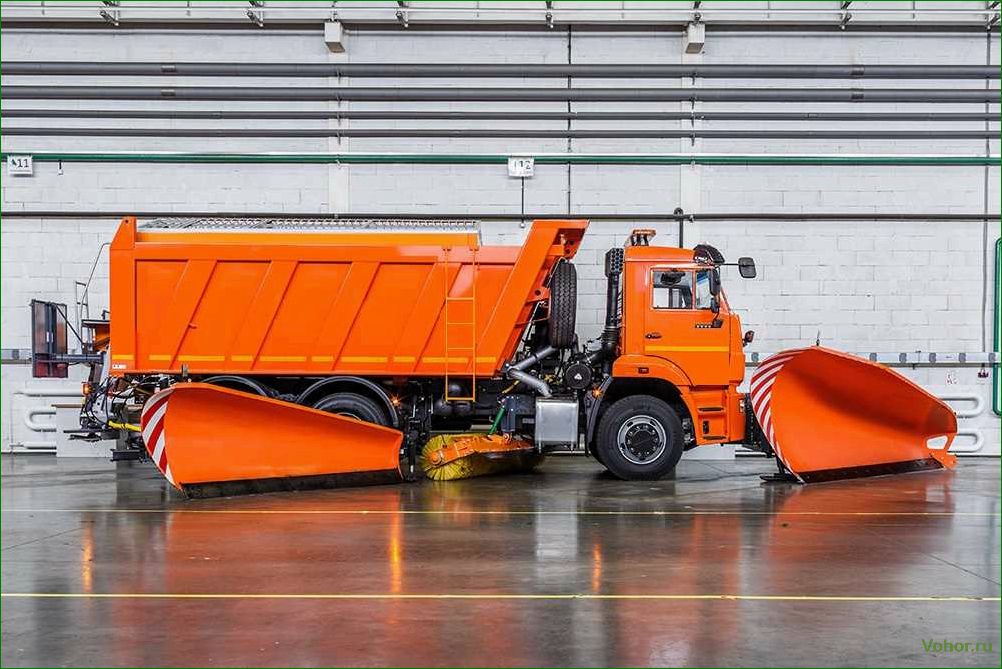
Road technology is an indispensable tool for creating and maintaining road infrastructure. It allows you to significantly speed up and simplify the process of building and repairing roads, as well as ensuring their safety and comfort for all road users. One of the key elements of road equipment is attachments, which allow you to adapt the equipment to specific tasks and working conditions.
Contents of the article:
attachments for road equipment are various devices that can be installed on specialized machines, such as excavators, graders, bulldozers, etc. They perform a wide range of functions – from cleaning and preparing the road surface to laying asphalt and spreading salt in winter. Thanks to attachments, road work becomes more efficient and of high quality.
One of the most common types of attachments for road equipment are blades, which are used to move and level soil, as well as remove snow and debris. Other types of attachments include milling cutters for paving, grader blades for leveling surfaces, pavers for laying asphalt, and many others.
Variety of road equipment
Attachments include various tools and mechanisms that can be installed on motor graders, excavators, bulldozers and other road equipment attachments can be used to perform jobs such as paving, snow removal, cleaning ditches, building sidewalks and much more.
One of the most common types of attachments is the blade. It is used for leveling the road surface, removing soil and snow. You can also use the blade to create embankments and level out uneven surfaces on the road.
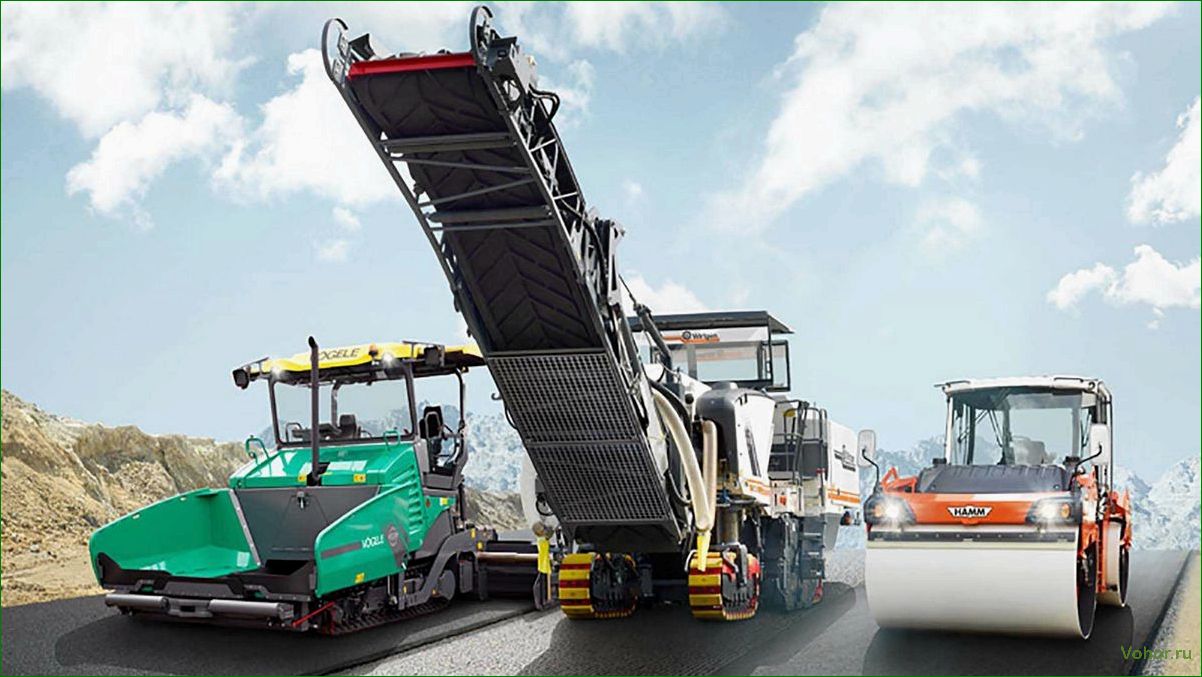
Another type of attachment is a milling cutter. It is used for milling asphalt pavement, which allows you to remove the old layer of asphalt and prepare the surface for laying a new pavement.
Additionally, there are various types of brushes installed on road equipment and used to clear roads of debris, snow, and ice. Brushes come in varying widths and stiffnesses, allowing you to select the appropriate option for a specific task.

It is important to note that attachments are an integral part of road equipment, significantly increasing its functionality and efficiency. Thanks to the variety of attachments, road equipment can perform a wide variety of tasks and ensure high-quality road construction and maintenance.
| Attachment Type | Purpose |
|---|---|
| Bladder | Road surface planning, soil and snow removal, embankment creation, and uneven surface leveling |
| Milling Machine | Milling asphalt pavement to prepare the surface for new pavement |
| Brush | Road cleaning of debris, snow, and ice |
Types and purpose of attachments
One of the most common types of attachments is the plow. It is designed to clear roads of snow and ice, ensuring traffic safety. A plow can be either mounted or folding, depending on the specific model and requirements.
Another common type of attachment is a brush. It is used to remove debris and dirt from the road surface, keeping it clean and tidy. Brushes come in a variety of sizes and shapes, depending on the requirements and working conditions.
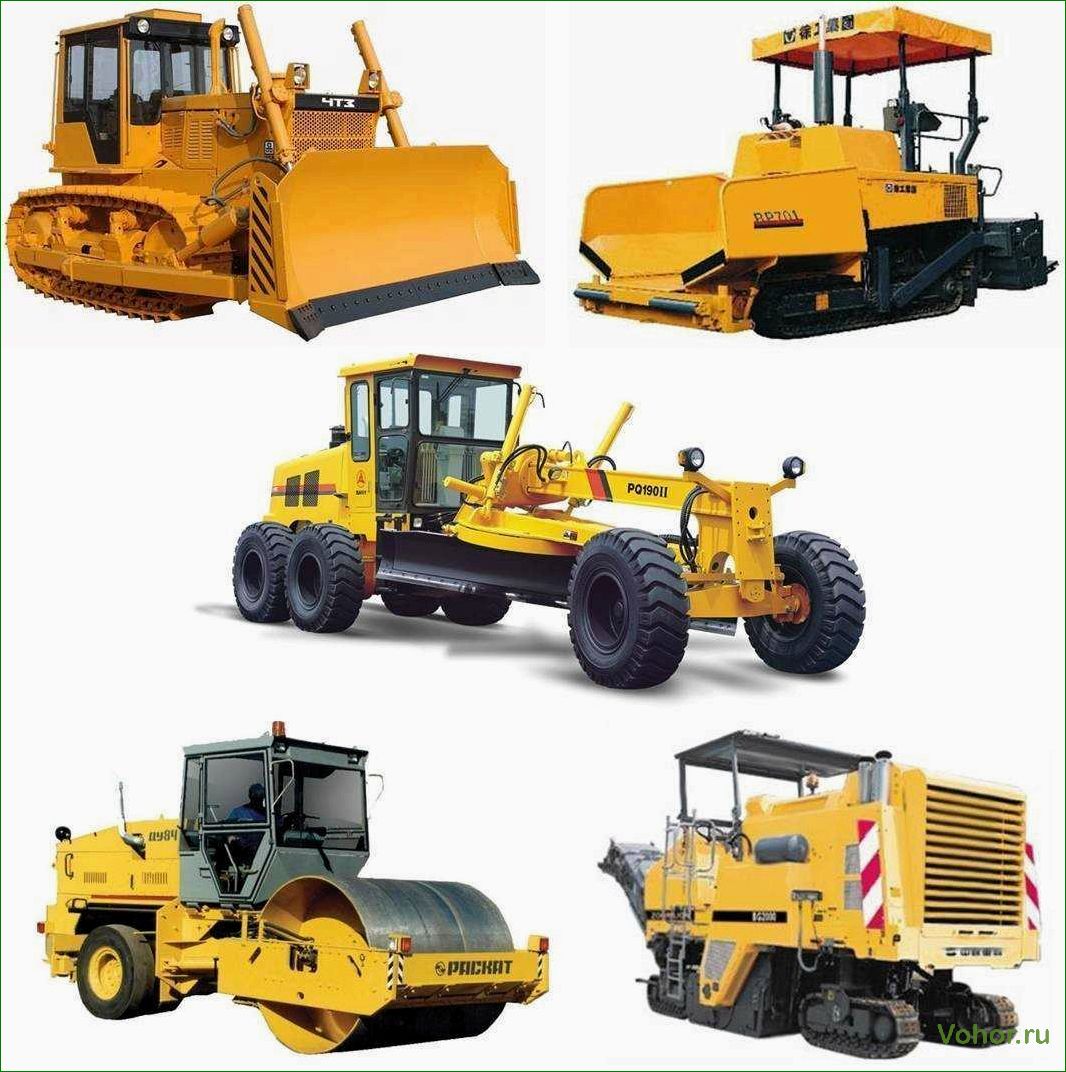
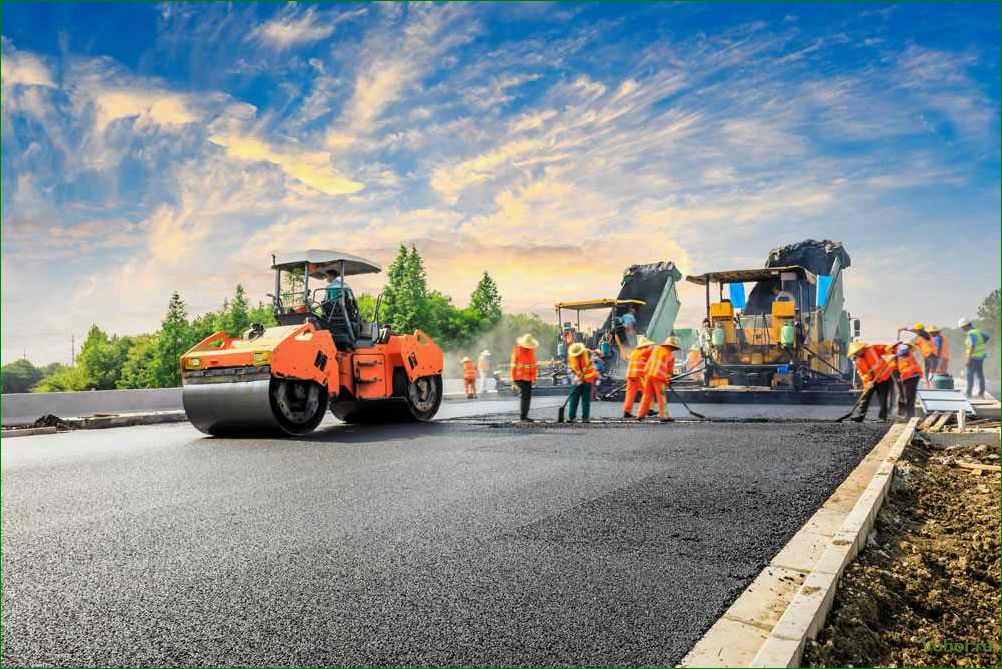
Attachments also exist for asphalt paving and road surface repair. These include components such as pavers, rollers, and milling machines. This allows for quick and efficient repair work, ensuring a smooth and durable road surface.
Furthermore, attachments can include various types of mechanisms for road surface strengthening and treatment, such as reinforcement meshes, lugs, and others. These improve the quality and durability of the road, ensuring its reliability and safety.
Thus, attachments play an important role in the operation of road equipment. They expand its functionality and efficiency, enabling it to perform various tasks related to road maintenance and repair.
Advantages and disadvantages of attachments
One of the main advantages of attachments is its versatility. It can be used on various types of road equipment, which saves time and resources when performing various tasks. In addition, the attachments are highly mobile, allowing you to quickly switch between different types of work.
Another advantage of the attachment is its functionality. It can perform various types of work, such as snow removal, asphalt laying, debris removal and much more. Thanks to this, road crews can effectively use the attachments to perform various tasks on the roads.
However, attachments also have some disadvantages. Firstly, it requires additional costs for acquisition and maintenance. In addition, attachments can be difficult to use and require specific skills and knowledge to operate them correctly.


