Tips and tricks for creating successful photos while posing
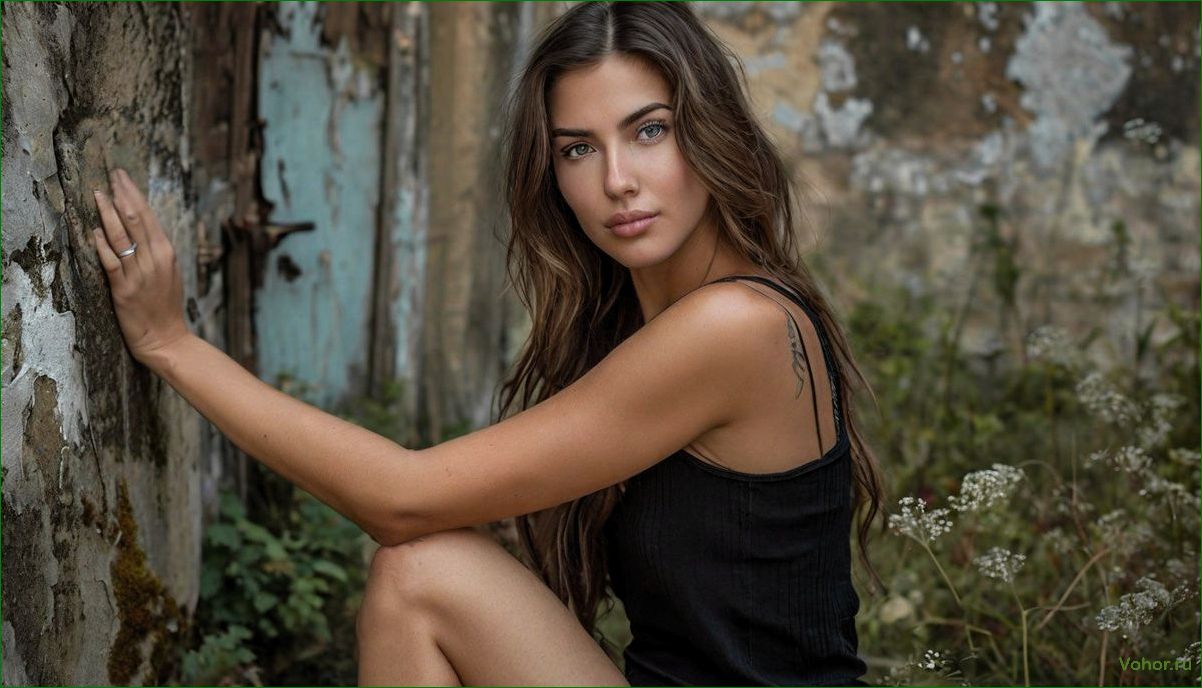
Always start with good posture. A straight back, relaxed shoulders and a slightly raised chin will ensure a harmonious appearance in the photo. Even if you assume a relaxed posture, hold your torso confidently to avoid the visual sensation of slouching.
Contents of the article:
consider age-related posing features. For example, more mature people should avoid excessive rigidity in poses, while younger people can experiment with dynamic and playful shots. This is the focus of our site about age – communication about how to emphasize your individuality at any stage of life.
Don’t forget about the role of hands in the frame. Keep them relaxed, avoiding stiff positions along the body. Try placing one hand on your hip or leaning slightly, touching your chin – this will add a cinematic feel to the photo.
Light plays a key role. Point your face toward a soft light source to avoid heavy shadows. For home filming https://ageaesthetics. com/ an open window is ideal, and for street shots, the diffused light of a cloudy day.
How to find favorable angles for shooting
Tips for working with body features
To show grace or hide imperfections, study perspective. Shoot from a low angle if you want to make your model look taller and slimmer. To reduce the volume in the frame, use a horizontal angle from the side or slightly from above, reducing the focus on problem areas.
Individual approach
Consider age and posing characteristics. For example, if your project covers a website about age, pay attention to the subtle work with facial expressions, skin and gestures. For older people, it is helpful to choose soft lighting and angles that highlight the natural texture of the face.
Use frame architecture: lines in the background or props will help complement the composition and focus attention on the model. Experiment with camera angles and maintain balance: do not distort the proportions, but use them to advantageously present the image.


Working with hands and body position in the frame
Position your body so that there is a natural distribution of weight. Instead of a rigid posture, shift your weight slightly onto one leg for a graceful pose. This creates a feeling of lightness and naturalness in the frame.
Hands are often a problem area when posing. Do not press them to your body – this makes the silhouette less expressive. Instead, place your fingers on your hips with your elbows slightly bent, or relax your hands by resting them on the side of your thigh. Avoid straight stretching your arms down; it’s better to give them a slight bend, which will add dynamics to the pose. If you don’t know where to place your hand, add an accessory, such as a handbag, hat or piece of clothing.
Practice lines and angles. If you want to focus on your figure, move in a spiral in your poses. For example, turn your shoulders slightly to one side and your hips to the other. This visually lengthens the silhouette, is suitable for shooting on a website about age and emphasizes individuality.
The head and hands should work together with the body to create the emotion of the frame. Try tilting your head a little closer to your shoulder or looking into the distance. This enhances expressiveness. Don’t be afraid to experiment: change the position of your fingers, try different points of support to find your style.

Selecting facial expressions depending on the shooting context
Emotional pictures
For romantic or family photography, focus on natural emotions. The smile should be sincere, and the look should be soft or dreamy. Try to remember pleasant moments to relax your face. For example, think about the last warm meetings with loved ones – this will help convey lively, sincere joy in the frame.
If the subject of the shoot requires emotional depth, for example, in art or conceptual photography, experiment with muscle tension. Try squinting your eyes slightly and relaxing your lips, adding thoughtfulness or intrigue.
Dynamic scenes
For action shots where you plan to convey movement, it’s best to avoid tense expressions. Use joy or excitement: parted lips and a slight smile will enliven the frame and enhance the sense of movement. But the key task is not to overact. Too strong emotions can look artificial.
The ability to read the context of a shooting and select emotions is no less important than working with poses. The more natural and organic your face is in the frame, the more the viewer will be able to feel the atmosphere of the photo.


