Browallia
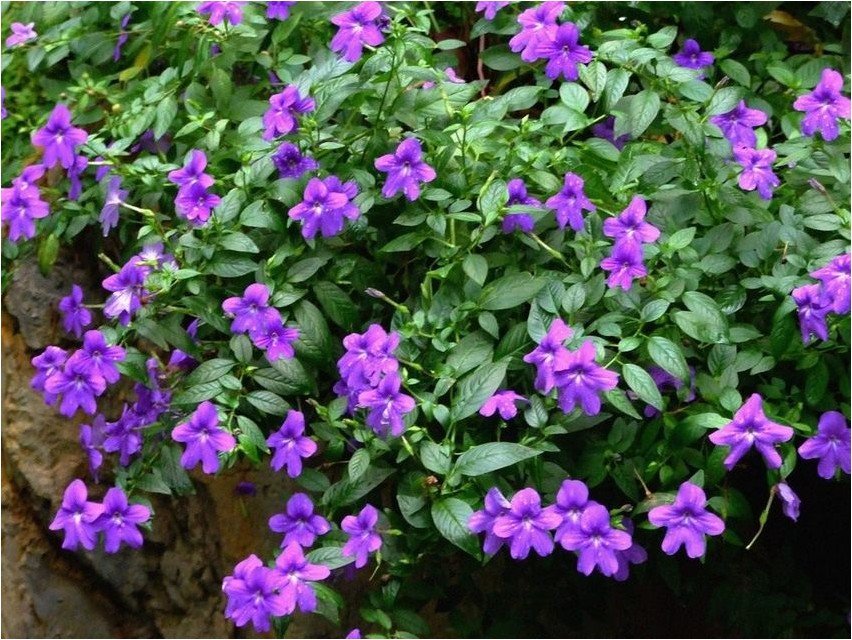
Browallia is considered part of the plant family called nightshade. In total, six species of this plant are known, however, only beautiful Brovallia is grown at home.
This plant has become quite widespread in Central and South America, and in Europe, Brovallia originated from Colombia.
This plant is a perennial, in nature its height can be even one and a half meters. Actually. At home, browallias are small bushes that will branch quite well. In order for the plant to grow, you will need to regularly pinch the soft stems of the browallia. This plant is most often grown in pots, but brovallia can also be grown on the balcony.
Description of the plant
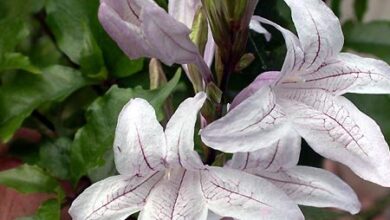
What makes brovallia a particularly valuable plant is its flowering. If all care standards are followed, this plant will delight you with its delightful flowers, colored in blue-violet tones. However, there are also white, blue, and even purple brovallia flowers. The flowering period of this plant is also very long: the plant can bloom even for a year and a half. It is also important to remember that the plant blooms in winter, however, if the lighting is insufficient, the flowering will not be so abundant.
After flowering stops, the plant becomes old and will not bloom again. It should be remembered that usually the lifespan of a plant does not exceed two years.

Brovallia care
Browallia is considered a very light-loving plant, but it is not able to tolerate direct exposure to direct sunlight. The plant will grow well on eastern windows, as well as on balconies that are quite dark.
As for the temperature regime, despite all its love for warmth, this plant tolerates heat very poorly. Therefore, brovallia will require moderate temperatures: in spring and summer, the temperature should be at least twenty degrees, and in winter, if flowering continues, the temperature should remain room temperature. However, for a young plant it will be best to provide fairly cool temperatures between ten and fifteen degrees Celsius, which will help slightly slow down the plant’s abundant growth.
Browallia will require high air humidity, however, the plant can get used to home conditions quite well. The plant should be sprayed from time to time.
In summer, watering should be very generous, but in winter, it is recommended to reduce watering. The substrate should never be overwatered, as this can lead to root rot.
Regarding fertilizers, excessive amounts can negatively affect the plant, especially those with a high nitrogen content. From early spring until the end of flowering, apply a fertilizer intended for flowering houseplants. This should be done every two weeks, using a concentration approximately three times lower than recommended.
As for soil, browallia requires loose, permeable and breathable soil. This mixture can be prepared as follows: use equal parts humus, turf, leaf mold, and sand.
Although browallia grows quite quickly, it will not require repotting. After flowering has finished, the plant should be replaced with a new one grown from seed or cuttings.