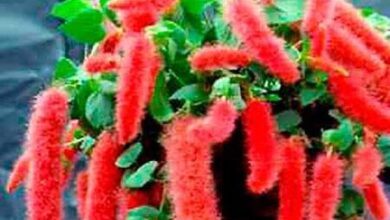
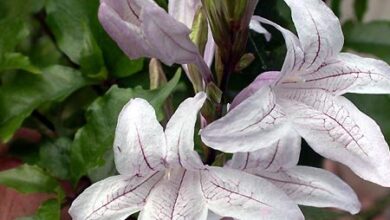
An exquisite and delicate flower that brings joy and beauty to our lives.
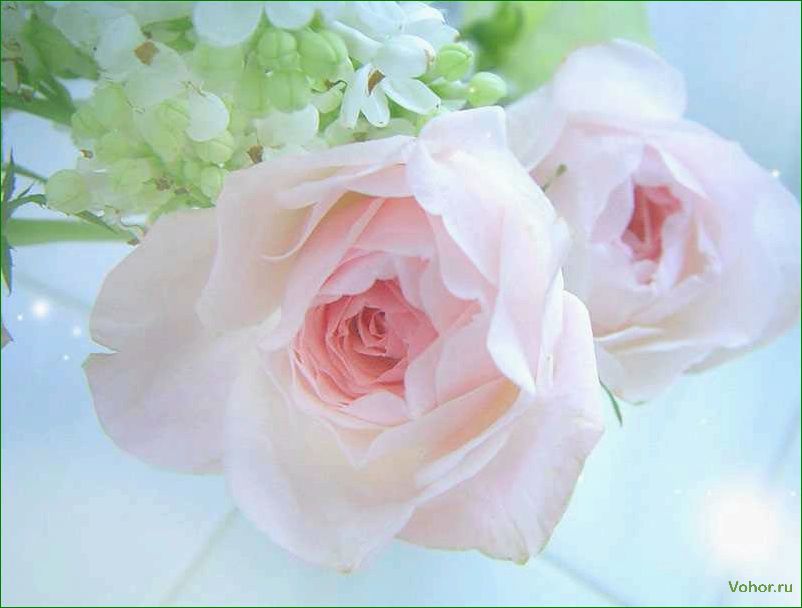
Flowers are one of the most exquisite and beautiful phenomena of nature. They decorate our lives with their beauty and aroma, creating an atmosphere of tenderness and joy. Among the many different flowers, delicate flowers occupy a special place, which with their sophistication and sophistication conquer the hearts of many people.
Contents of the article:
delicate flowers are symbols of purity, tenderness and love. They fill our lives with joy and peace, and are able to give us moments of happiness and inspiration. Their delicate petals seem to be created from the most delicate materials, their aroma takes us into the world of harmony and beauty.
Delicate flowers can be found in a variety of places: in the garden, on the balcony, in a flower bed or in a vase on the table. They decorate wedding bouquets, gift baskets and bouquets for beloved women. Delicate flowers are a real find for those who want to create a romantic atmosphere and give tender emotions.
History and symbolism
History of origin
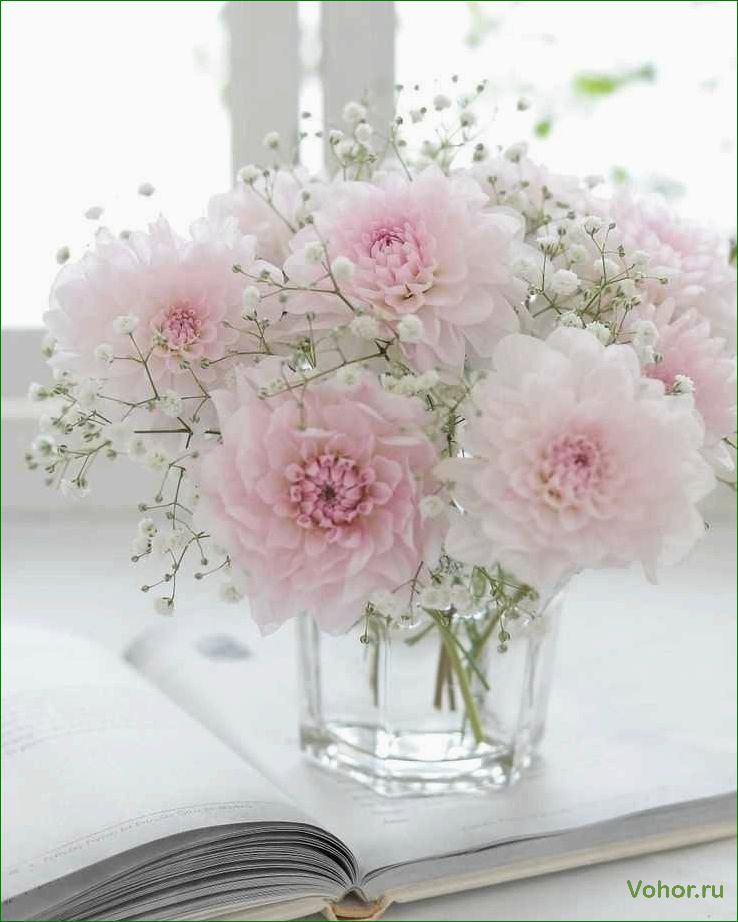
A delicate flower, or tenderness, appeared on Earth many thousands of years ago. Its origin is related to the evolution of plants and adaptation to different environmental conditions. Tenderness has evolved in different parts of the world and has taken on a variety of shapes and colors.

Symbolism
The delicate flower is associated with qualities such as beauty, tenderness, sensuality and love. It is often used in the symbolism of dating, weddings and romantic relationships. The delicate flower also symbolizes femininity and motherhood.
In different cultures delicate flower has different meanings. For example, in Japan, the delicate cherry blossom symbolizes beauty, passing and short life. In Western culture, the delicate rose flower is often associated with love and passion.
The delicate flower is a source of inspiration for artists, poets and designers. It is used in various art forms ranging from painting and photography to fashion trends and decorative elements.
Popular types of delicate flowers
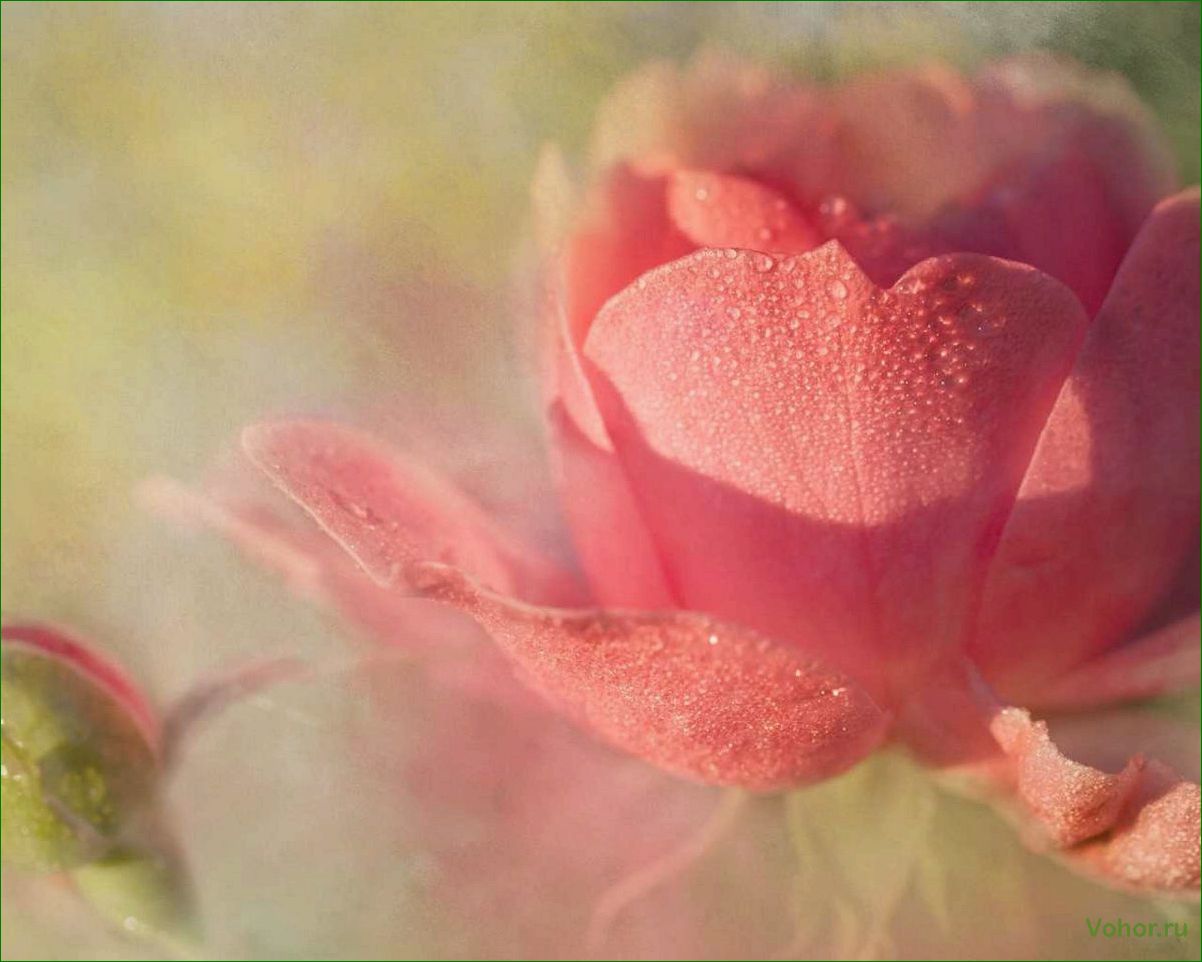
Rose is a symbol of love and romance; this floral beauty has delicate petals and a wonderful aroma. Roses can come in different colors and shades, from soft pink to bright red.
Lily is a flower that is associated with purity and grace. Lilies can be white, pink, orange or purple, and their petals have a delicate texture and a wonderful scent.
Orchid is an exotic flower that symbolizes beauty and grace. Orchids can come in different colors and shapes, but they all have delicate and graceful petals.
Peony is a flower that is associated with luxury and abundance. Peonies can be white, pink, red or purple, and their petals are very delicate and voluminous.
Hyacinth is a flower that symbolizes spring and renewal. Hyacinths come in a variety of colors, from soft blue to bright pink, and their petals have a delicate texture and a pleasant aroma.
These are just some of the popular types of delicate flowers that delight us with their beauty and tenderness. Each of them has its own uniqueness and features that make them so popular among flower lovers.
Caring for delicate flowers: secrets of prosperity
1. Choosing the right location
Before purchasing a delicate flower, you need to decide on a place to place it. Most delicate flowers prefer bright but diffused light. Avoid direct sunlight, which can cause burns to leaves and flowers. Choose a location with plenty of light but no direct sun exposure.
2. Proper watering
Delicate flowers require a special approach to watering. They do not tolerate waterlogging, so monitor the soil moisture level. Water your flowers regularly, but not excessively. It is important to remember that some delicate flowers prefer a little dry soil, so monitor the condition of the root system and adjust watering to the needs of each species.
3. Regular fertilization
Delicate flowers need additional nutrition to maintain their beauty and health. Fertilize your flowers regularly with a special fertilizer for delicate plants, following the instructions on the package. Remember that overfertilization can harm the plant, so follow the recommended dosage.
4. Support and trimming
Some delicate flowers need support to maintain their shape and beauty. Use stakes or sticks to support stems and flowers if necessary. Also regularly prune faded flowers and dead leaves to encourage the growth of new shoots and flowers.
By following these secrets, you can provide delicate flowers with optimal conditions to thrive. Remember that each type of flower has its own characteristics, so it is important to study the requirements of a particular plant and follow them for best results.