Dagestan headdress – history, symbolism and role in the cultural heritage of the people
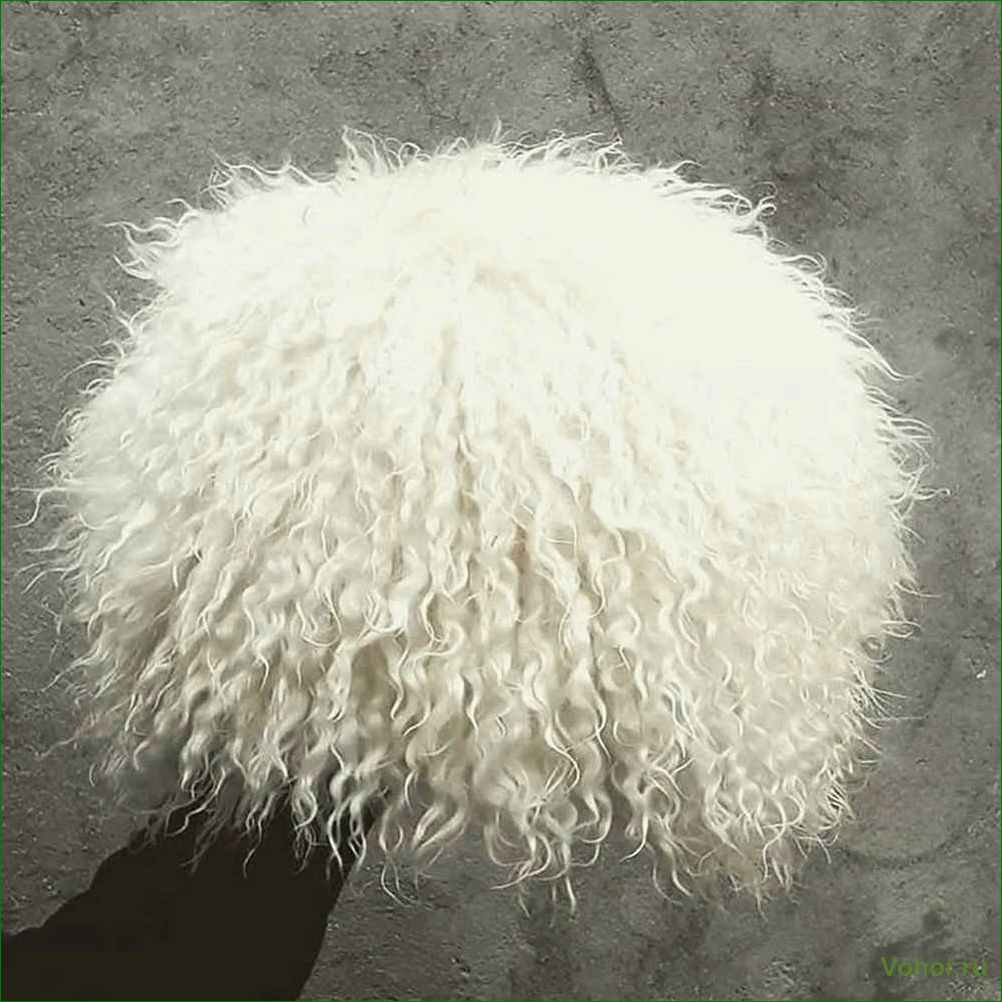
The Dagestan headdress is not just a piece of clothing, but a real work of art, which is an integral part of the traditional culture of this region. It symbolizes the national identity and rich heritage of the Dagestan people.
Contents of the article:
the headdress in Dagestan goes by many names: “papakha”, “tap dance”, “groin”, “papa”, “chepkes”, “skull cap” and others. It can be made from various materials such as wool, felt, silk, velvet and even gold thread. Headdresses can come in different shapes and sizes, but they all have a common feature – a tall cone-shaped or cylindrical shape.
Dagestan headdress not just decoration, but also a way of conveying information about the status and social position of the wearer. It may indicate membership in a particular tribe or region, as well as the age and marital status of the wearer. Also, a headdress can be associated with religious or ritual ceremonies.
History of the Dagestan headdress

The first mentions of “papakha” are found in ancient sources dating back to the 9th century. Over time, the “papakha” has become an indispensable attribute of a man’s suit and a symbol of dignity and strength.
Traditionally, the papakha is made from high quality wool from local animals such as sheep or goats. Initially, it had the shape of a cone, which smoothly passes into the upper part of the head and frames the face. The appearance of the “papakha” may vary depending on the region of Dagestan, but the basic shape remains the same.
Dagestan warriors and military leaders played an important role in the history of the “papakha”. The headdress became an integral part of their uniform and a symbol of their status. “Papakha” was also used in ceremonies and holidays, as well as in the daily life of the Dagestanis.
Today, the “papakha” continues to be one of the main elements of the national costume of Dagestan. It is a popular souvenir and collectible. Many people study with interest the history and traditions of the “papakha” and wear it with pride to emphasize their belonging to the people of Dagestan.

Emergence and development
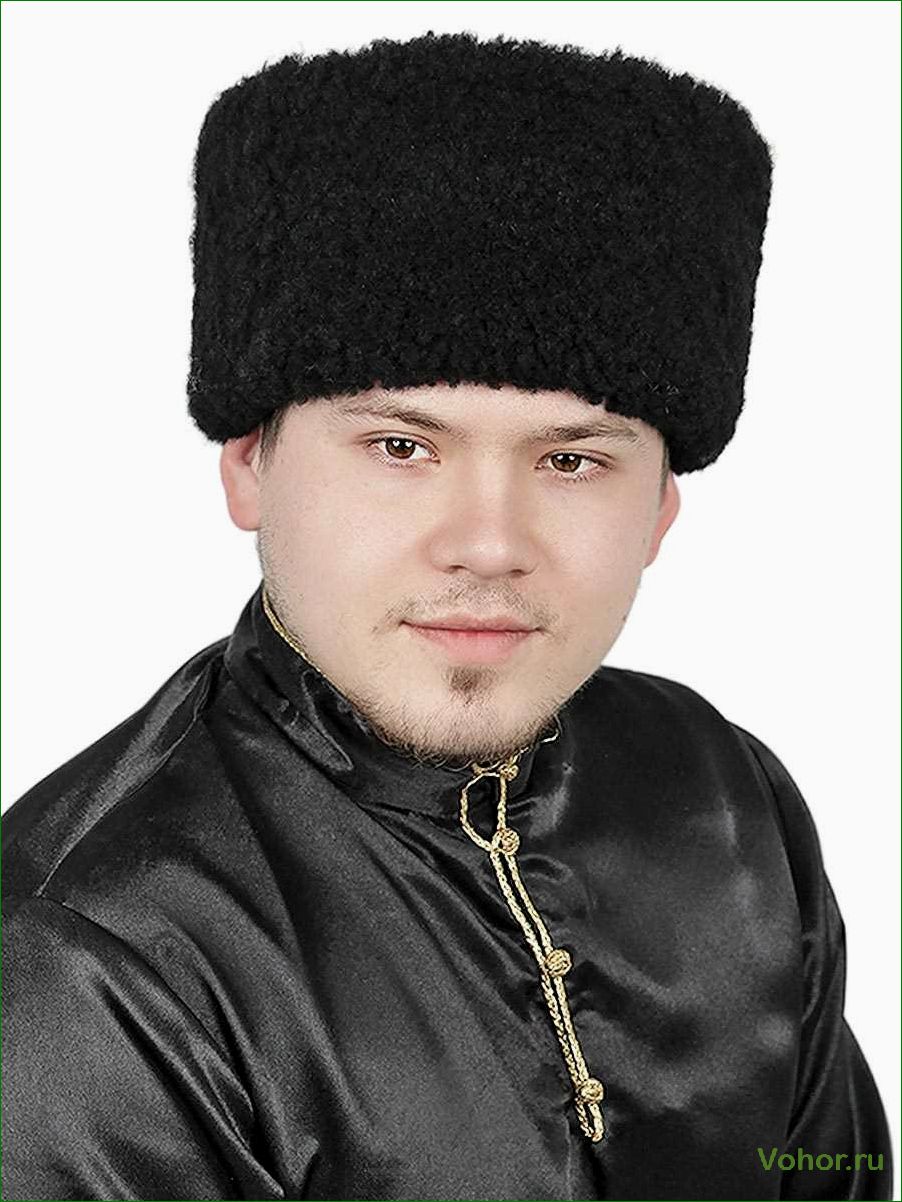
The Dagestan headdress, known as the “papakha”, has ancient roots and a rich history. Its appearance is associated with the traditions and customs of the Dagestan people, as well as with the climatic and geographical features of the region.
The first mentions of papakha can be found in documents dating back to the 17th century. At that time, the headdress was a symbol of high social status and wealth. It was worn only by representatives of the nobility and ruling elites, which made it even more prestigious and an important element of national culture.
Over time, the papakha became popular not only among the nobility, but also among ordinary residents of Dagestan. This happened due to the widespread and development of the craft of making hats. Masters created hats of different shapes, sizes and decorations, which allowed everyone to find a headdress to suit their taste and style.
Today the papakha is one of the main symbols of Dagestan culture. It is worn not only in everyday life, but also during national holidays and special occasions. The headdress has become an integral part of the national costume and a way of expressing national identity.
Features and symbolism
The papakha is usually made of black or dark brown wool and is shaped like a cone with a narrow top. The size of a hat can vary from a small hat to a large headdress that can completely cover the head.
The symbolism of the Dagestan papakha is closely connected with national culture and traditions. The black color of the hat symbolizes strength, courage and determination. An important element of the Dagestan headdress is also the presence of embroidery or patterns, which can have different meanings and symbolic meanings.
Wearing a hat is considered an honorable and traditional thing in Dagestan. It is an integral part of the national costume and is used for special events, holidays and celebrations. A headdress can also serve as an indicator of social status and membership in a particular tribe or clan.
The Dagestan papakha is not only an element of national clothing, but also a symbol of national pride and identity. It reflects the richness and diversity of the region’s culture, as well as its historical and cultural heritage.
Modern use
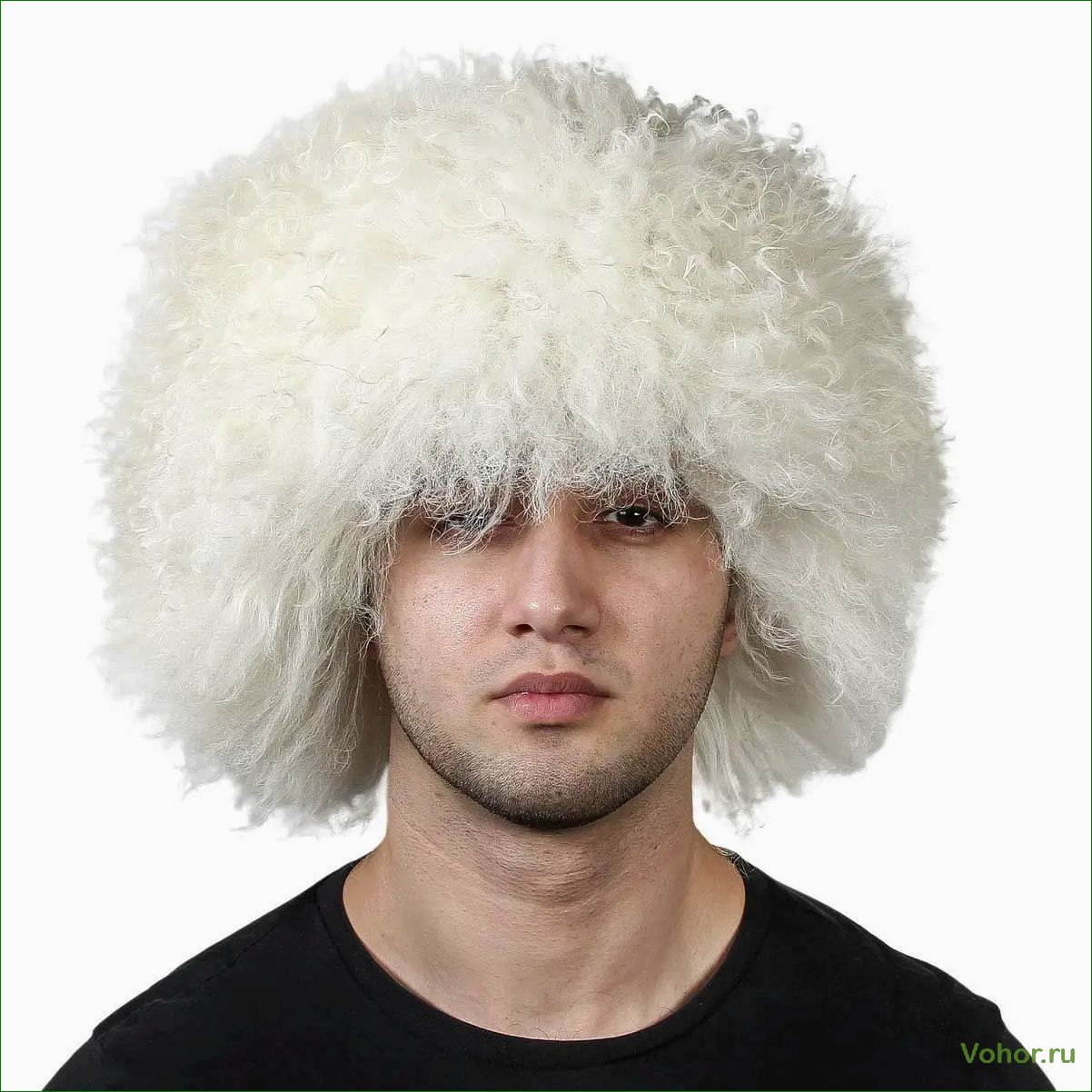
Today, the Dagestan headdress has become an integral part of the national costume and a symbol of the culture of Dagestan. It is actively used at national holidays, weddings, special occasions and other cultural events.
In modern society, the Dagestan headdress has also gained popularity among young people, becoming a fashion accessory. Many young people wear it in everyday life, adding a touch of nationality and individuality to their look.
In addition, the Dagestan headdress has become a collectible and souvenir item. Many tourists and fans of national culture purchase it as a souvenir or gift.
The modern use of Dagestan headdress emphasizes its historical and cultural value, preserving traditions and giving them new meaning in the modern world.


