Howea Forster
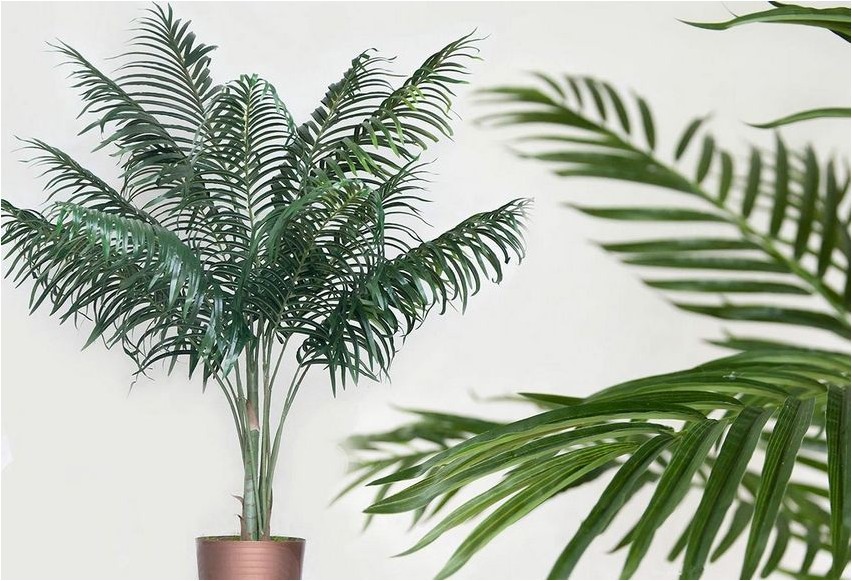
Howea Forstera is also known as kentia; in Latin the name of this plant is as follows: Howea forsteriana.
Howea forstera is one of the plants of the family called arecaceae or palms; in Latin the name of this family is: Arecaceae.
Description of Howea Forster
It should be noted that this plant is a fairly popular crop. For favorable development of the plant, it is recommended to grow it either in sunny light conditions or in partial shade. Throughout the summer period, watering should be moderate, and air humidity should be kept at an average level. The life form of Howea forstera is an evergreen tree.
It should be noted that the plant can be grown not only in winter gardens and greenhouses, but also in bright rooms. As for growing indoors, it is recommended to choose any windows, with the exception of north-facing windows.
Description of the features of caring for and growing Howea Forster
Regular replanting is very important for the favorable development and growth of the plant. Young plants will need such a transplant every year, but adult plants can only be replanted after a few years. It is recommended to choose either pots of standard proportions, or floor tubs and flowerpots. It should be noted that when transplanting Howea forstera, the long root of small seedlings should not be damaged under any circumstances. If this happens, the plant itself will most likely die.
As for the composition of the soil mixture itself, it is recommended to mix two parts of turf soil and leaf soil, and also add one part of sand. The acidity of soil can be not only slightly acidic, but also neutral.

It is important to remember that you should not allow the air to become excessively dry, and you should also not water the plant excessively. Otherwise, all this can lead to the tips of the leaves turning brown. In some cases, Howea forster is damaged by scale insects and spider mites.
As for the optimal temperature regime throughout the rest period, you will need to ensure a temperature between ten and sixteen degrees Celsius. In this case, watering should be moderate, and air humidity should also be average. The dormant period of Howea forstera begins in October and lasts until February, and the cause of such a period will be excessively low illumination and insufficient air humidity. Actually, this period of rest for this plant is forced.
Reproduction of Howea forstera occurs through seeds. Regarding the specific requirements of this culture, it is important to note that in the summer the pot of Howea forstera should be moved to fresh air. In order for the plant to grow evenly, you should turn the pot with the plant so that the tops of the young leaves are always directed into the room.
It should be noted that Howea forstera is particularly attractive, and it is for this reason that the plant is so popular among numerous gardeners. The leaves of Howea forstera are endowed with decorative properties. The color of these leaves will be dark green, and they are also feathery and slightly curved. The length of such leaves will be approximately two to two and a half meters, and their petiole can even reach one and a half meters. The lobes of such Howea forstera leaves are quite long, and their shape will be linear.