Spathiphyllum
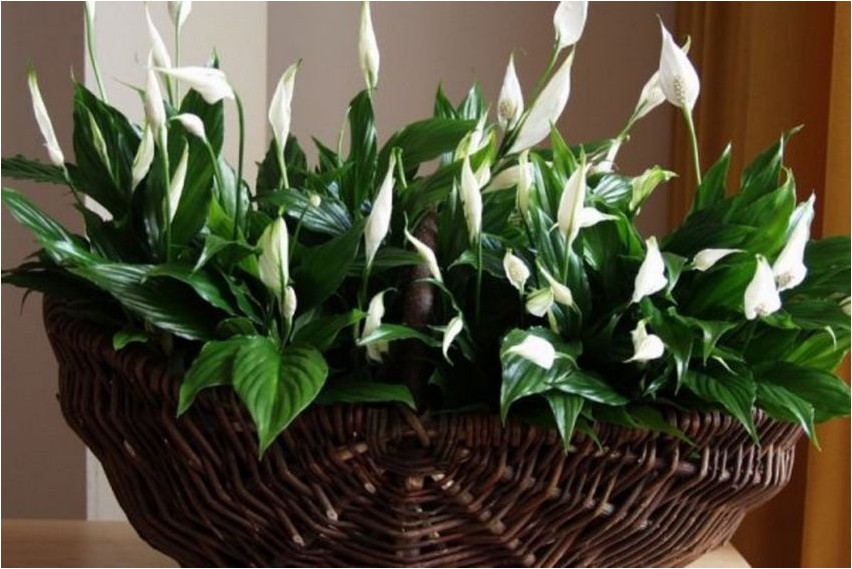
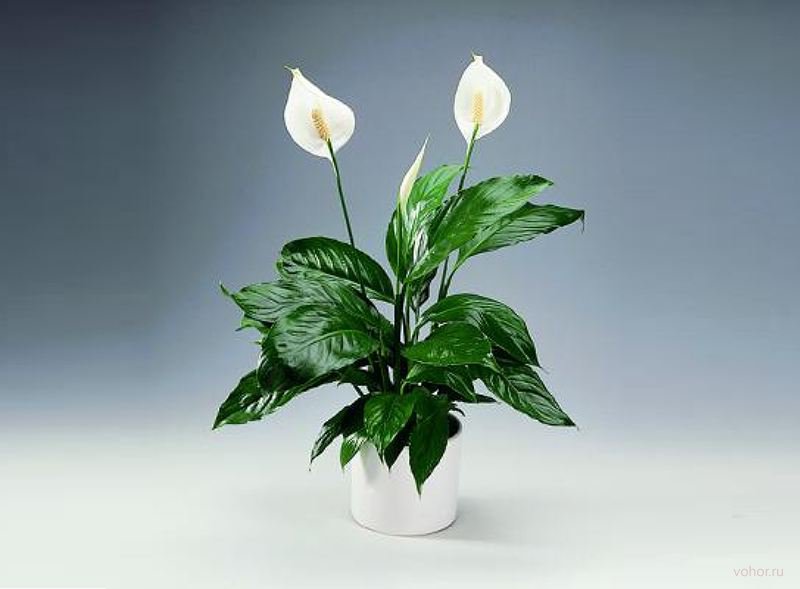
Spathiphyllum (lat. Spathiphyllum) is a small genus belonging to the Araceae family. Most of the representatives belong to the category of indoor plants; nowadays they are actively cultivated indoors for interior decoration.
In nature, representatives of the genus grow in South and Central America, as well as on the Moluccas and New Guinea. Typical places of growth are forest zones with moist and sometimes marshy soils, and river banks. Another name is spathiphyllum.
Characteristics of culture
Spathiphyllum is represented by perennial evergreen plants equipped with a short rhizome and basal oval or lanceolate leaves endowed with pronounced veins. The leaves, in turn, have elongated petioles. The inflorescence of the culture in question is unusual, remarkable, presented in the form of an ear with an elliptical green or white blanket that forms at the very base.
Spathiphyllum is a heat-loving plant; it has a negative attitude towards wind and drafts. The optimal temperature for active growth and development varies from 18 to 23C. The crop in question is also demanding regarding lighting. She will not tolerate direct sunlight and shade. Spathiphyllum can be safely called a whimsical plant; it requires regular, and most importantly, careful care.
Transplantation is recommended annually. The soil should be composed of turf, leaf, humus soil, peat and sand. Today, the substrate for growing crops can be easily purchased in specialized stores. It is important to remember that growing a crop is impossible without good drainage, which can be pebbles or brick chips.
Features of growing indoors
It is recommended to keep spathiphyllum on a windowsill in a western or eastern direction; north-eastern and north-western directions are also not prohibited. Watering plays one of the main roles in care. In spring and summer, the plant should be watered intensively; in autumn and winter, the frequency of watering is reduced, but do not allow the earthen clod to dry out, this will negatively affect the health of the crop. It is advisable to use clean, filtered water for irrigation. Tap water is not welcome because it contains chlorine and other chemical compounds that this exotic flower does not accept.

In addition to watering, for normal development of the crop, spraying is required, preferably 2-3 times a day, especially if we are talking about the cold period, because heating devices operate in the premises, which greatly dries out the air. Therefore, you should get a special device called an air humidifier. As a last resort, you can use the “grandmother’s” method by throwing a wet towel over the radiator or placing a clothes dryer in the room.
Feeding is no less important for spathiphyllum; thanks to it, the plant will bloom more actively. It is recommended to fertilize throughout the year, which cannot be said about other indoor crops that do not need fertilizers in winter. Feeding should be carried out at least once every 2 weeks in spring and summer, and once a month in autumn and winter. Rotted organic matter and special biological fertilizers can be used as fertilizers.
A lack of feeding or watering will immediately affect the plant; its foliage, or rather the tips, will begin to dry out. If the air in the room is too dry, the spathiphyllum will react by not flowering, but if the humidity is normalized, it will begin to grow. Low temperatures threaten a similar situation. Spathiphyllum is susceptible to attack by spider mites, therefore it is very important to regularly wash the foliage with water at room temperature.
SPATHIPHYLLUM ❤️ WOMEN’S HAPPINESS ❤️ care and transplant
Spathiphyllum
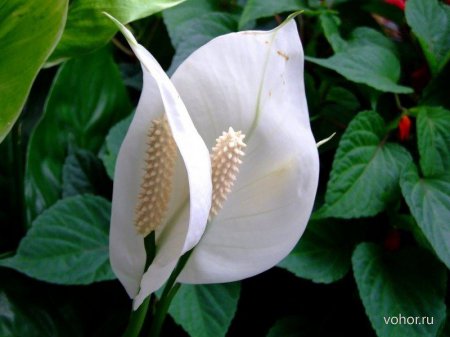
Spathiphyllum is one of the popular plants among home flower lovers. Easy and simple to care for the plant, it can be placed anywhere, even with minimal lighting. The flower will decorate any room; it is a moisture-loving plant; it always “informs” that it needs to be watered immediately by lowering its leaves. The best place for a flower is the north side of the house; this provides the necessary daylight for it and the plant does not overheat. Dry air in the room is detrimental to it; spraying is mandatory in the summer, less so in cold weather.
For indoor flower spathiphyllum is ideally suited to room temperature; for flowering, the optimal temperature is 16-18 degrees, but not lower. Popular belief claims that the flower brings prosperity and good luck to the house. You should not keep the plant in a poorly lit room; it must be moved around the room. Bright sunlight in small doses is beneficial for the flower so that its leaves do not become smaller.
The soil in the flowerpot should always be moist and should be watered with water at room temperature. Under no circumstances should water be allowed to stagnate or drained. The ideal solution to maintaining the necessary humidity for a plant is to place the flowerpot on wet expanded clay. This is especially good for the flower in hot weather.
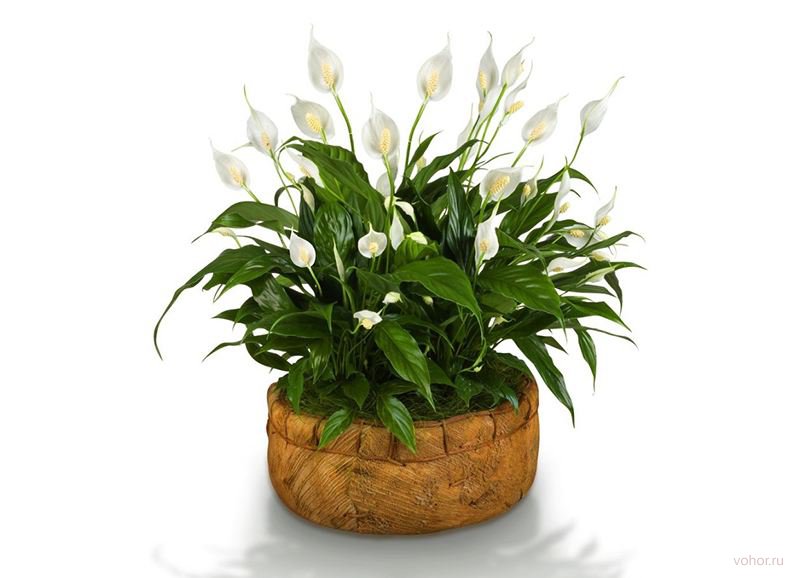
to flower, the plant must be fed with organic fertilizers 2 times a month or with special mineral fertilizers.
The flower must be replanted every spring in specially prepared soil – turf soil , sand, peat, leaf soil. Spathiphyllum propagates by division, or by seeds, but this technique requires experience.
If the plant does not bloom, it means that the temperature in the room is low and there is insufficient humidity. Often these factors are combined and the lack of feeding does not allow the plant to bloom.
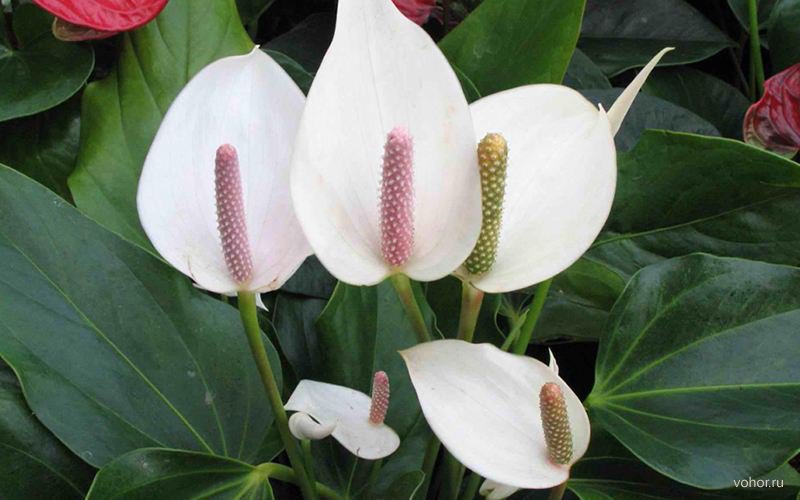
dry and blackened leaves indicate a problem with watering, overwatering or lack of liquid. Lack of phosphorus and nitrogen also causes dry leaves. Feeding the plant and correcting deficiencies in watering corrects all unfavorable factors.
The plant loves “baths” very much, and this prevents the appearance of pests and the plant will never have yellowed leaves. If you follow all these simple rules when caring for the spathiphyllum plant, you will delight with green foliage and flowering.