What are the categories of driving licenses?
s?
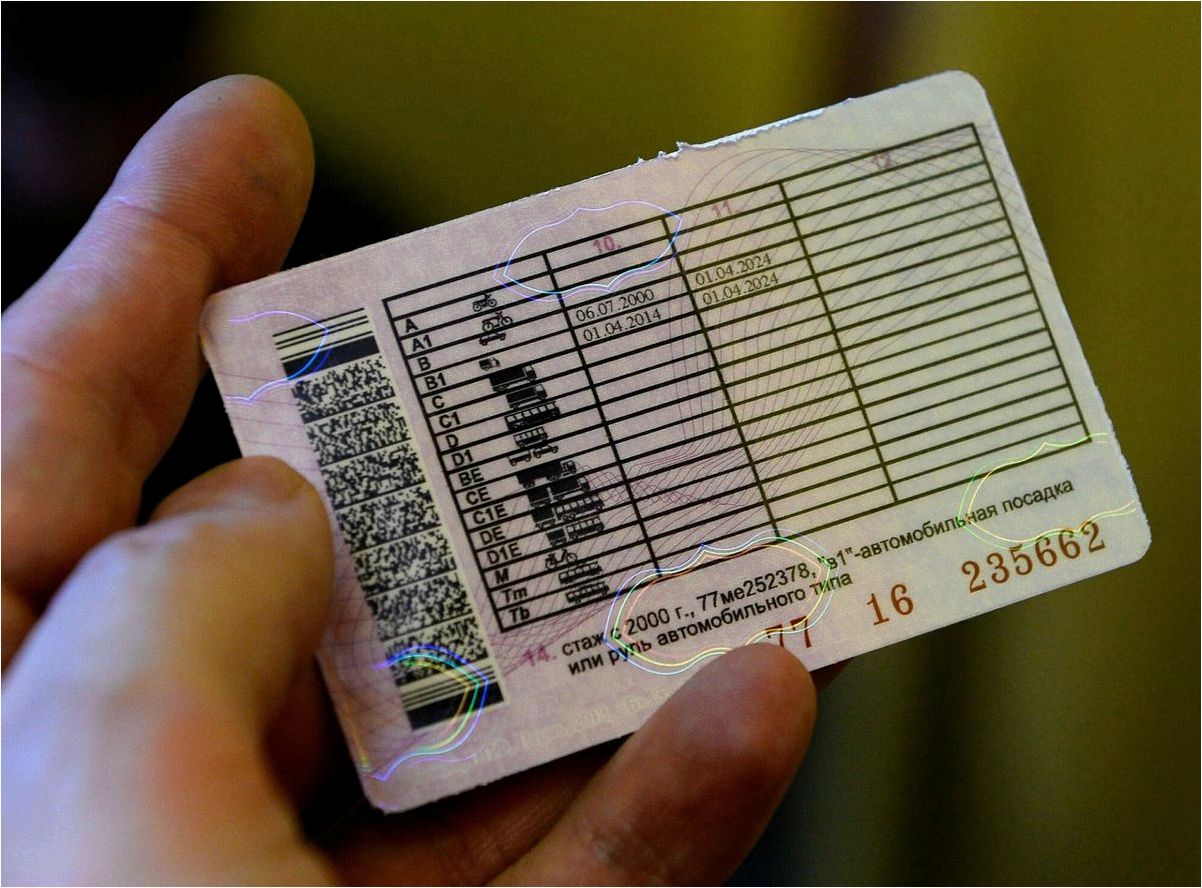
According to the law, vehicles are among those objects that pose an increased danger to the environment. Driving a car is entirely possible only if you have a driver’s license of the appropriate class, which confirms that the person has actually studied, understands the basic fundamentals of driving, is familiar with the current traffic rules and knows the procedure for behavior on the roadway. It is necessary to distinguish between categories of driver’s licenses in order to understand what document is needed to drive a particular type of transport. Lists are regularly changed and adjusted, so even an experienced driver who considers himself an expert in traffic rules can get confused and make mistakes.
Contents of the article:
Basic classification of driving license categories
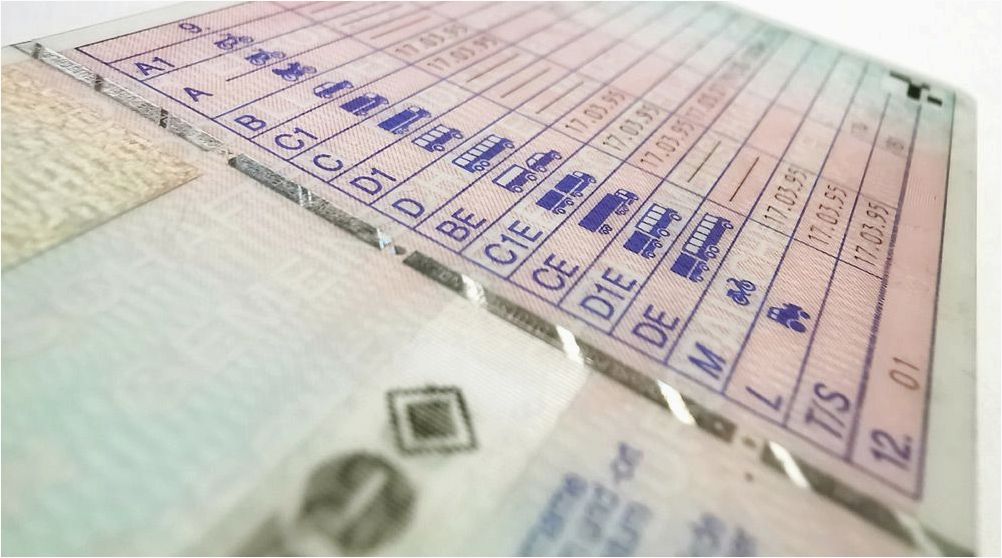
The new categories of driver’s licenses are represented by the correct letter designations:
- Group “A”, which allows you to ride bicycles;
- “B” is the more well-known group, which opens up access to passenger vehicles beyond the custom body system, from sedans to SUVs;
- “C” – trucks;
- “D” – buses;
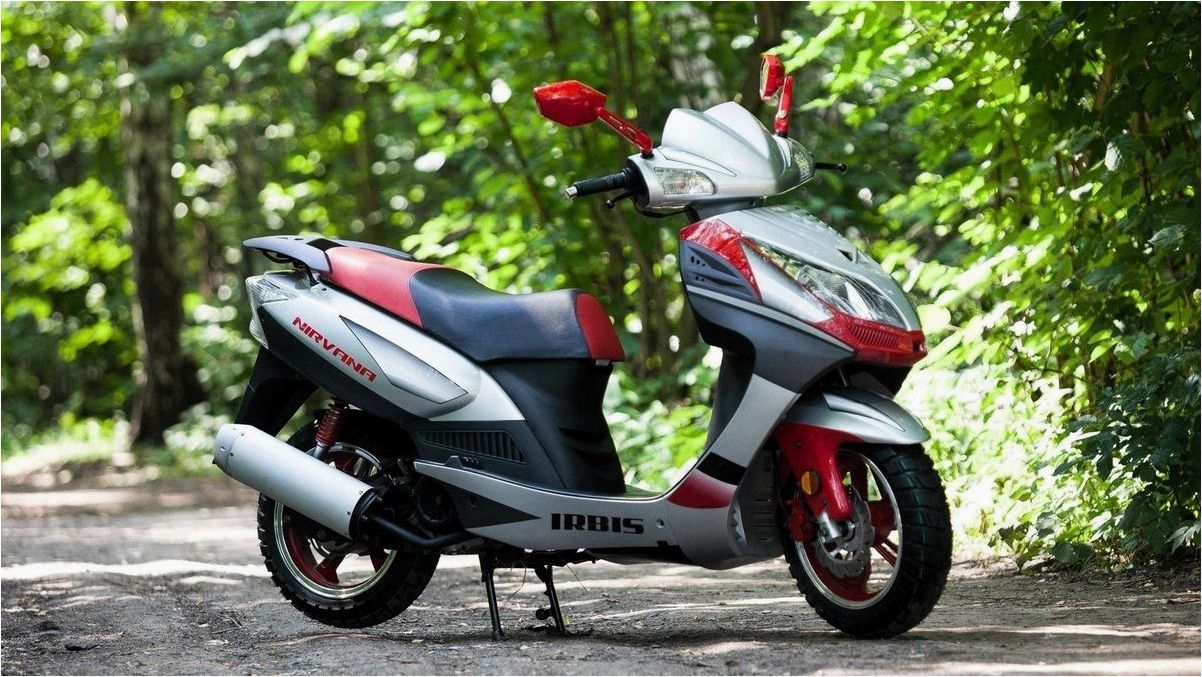
- “M” – mopeds.
In addition, there are also secondary classes of driving license 2022, which determine the technical characteristics of the driven vehicle. For example, they only allow the entry of vehicles with certain restrictions on power and displacement. The categories and subcategories of a driver’s license must be carefully analyzed, only in this way, for example, can one absolutely accurately navigate them in order to understand what needs to be “opened” in order to get behind the wheel of a vehicle that fully complies with the law. If anyone tries buy category B license , then we must not forget that this does not comply with the legislation of our country.
Category “A” and its subcategories
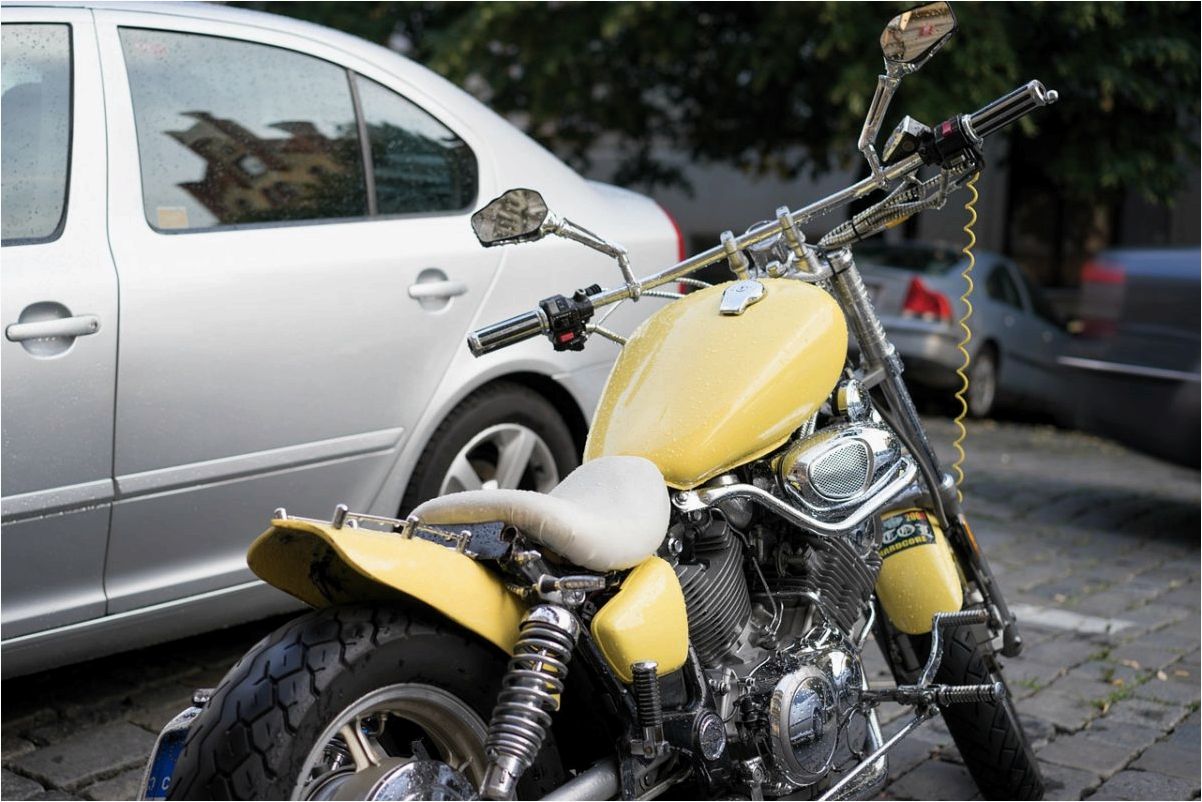
Driver’s license “A” emphasizes the possibility of driving bicycles regardless of the similarity, engine size, power and equipment in the form of a sidecar. The law also states that it actually allows you to drive a motorized wheelchair, but these days they are extremely rare.
The traffic rules indicate that bicycles actually include methods of transportation on 2 wheels, with or without a trailer and a sidecar. A driver’s license also gives the right to drive vehicles with 3 and even 4 wheels, if the loaded equipment does not exceed 400 kg. Restrictions on engine power, engine size and other technical characteristics are not taken into account.
Subcategory “A1” still applies to bicycles, but there are serious restrictions here. The maximum size of the internal combustion engine is 125 cubic centimeters, the maximum power is 11 square meters. If the letter “A” already exists in the license, then “A1” is assigned automatically. It is permissible to come up with “A1” without “A”, this is possible at the age of 16, during this period it is possible to receive a full “A”.

Category “B” and its subcategories
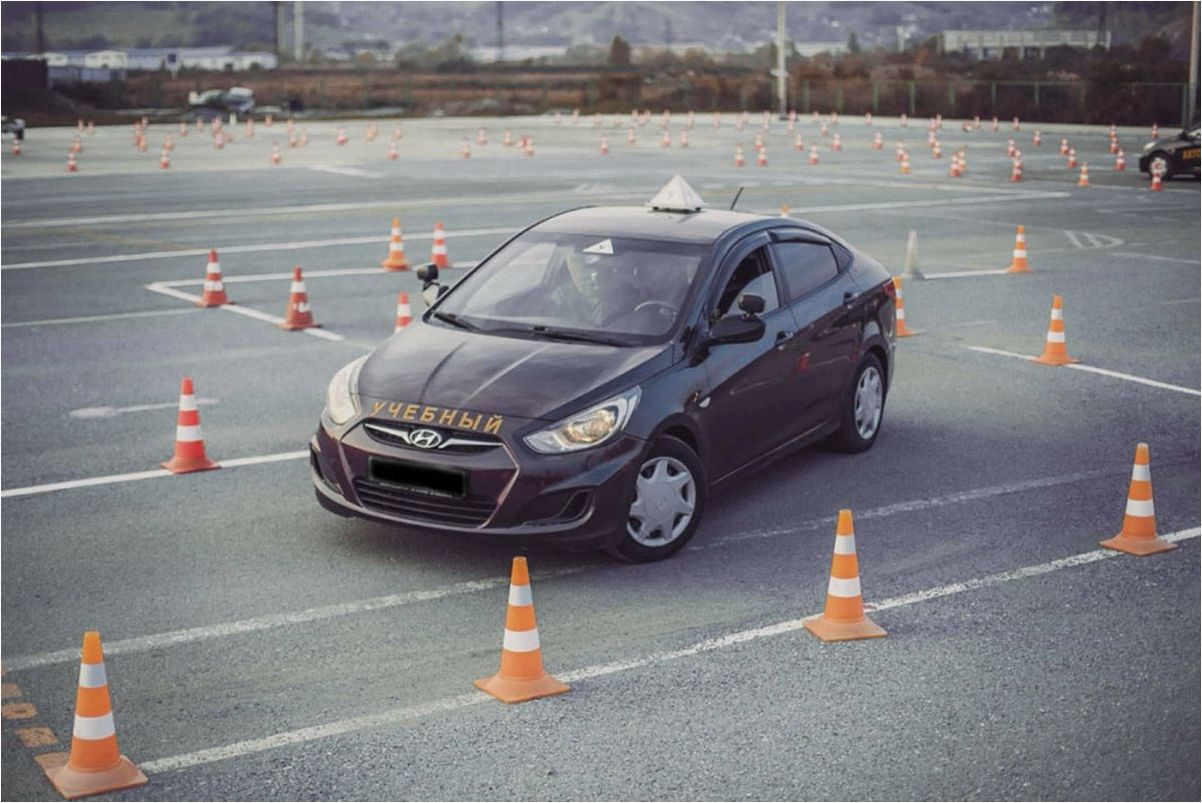
If we consider the entire appearance of driver’s license classes, then simply “B” is considered more familiar. It allows you to legally drive a car whose weight is no more than 3. 5 tons, and the number of seats is no more than 8, not counting the driver’s seat. It is also permissible to equip a car with a trailer weighing no more than 750 kg or exceeding this figure, but provided that the total set of combined vehicles does not exceed 3. 5 tons (for example, 2 tons per car, and another 1. 3 tons per trailer).
It turns out that these rights actually emphasize the likelihood of driving a passenger car, regardless of the similarity and body, in addition, small trucks and minibuses also fall under the technical description.
Namely, a class “BE” driving license means that you are allowed to drive a bulky trailer, such as a motorhome. It must be open if the total “clutch” configuration exceeds the limit of 3. 5 tons; the trailer’s configuration is higher than that of the vehicle itself without cargo. If “B” can be obtained upon reaching the age of majority, then “BE” can only be obtained from the age of 19, and it is necessary to have an open “B” for at least a year in order to obtain adequate driving ability.
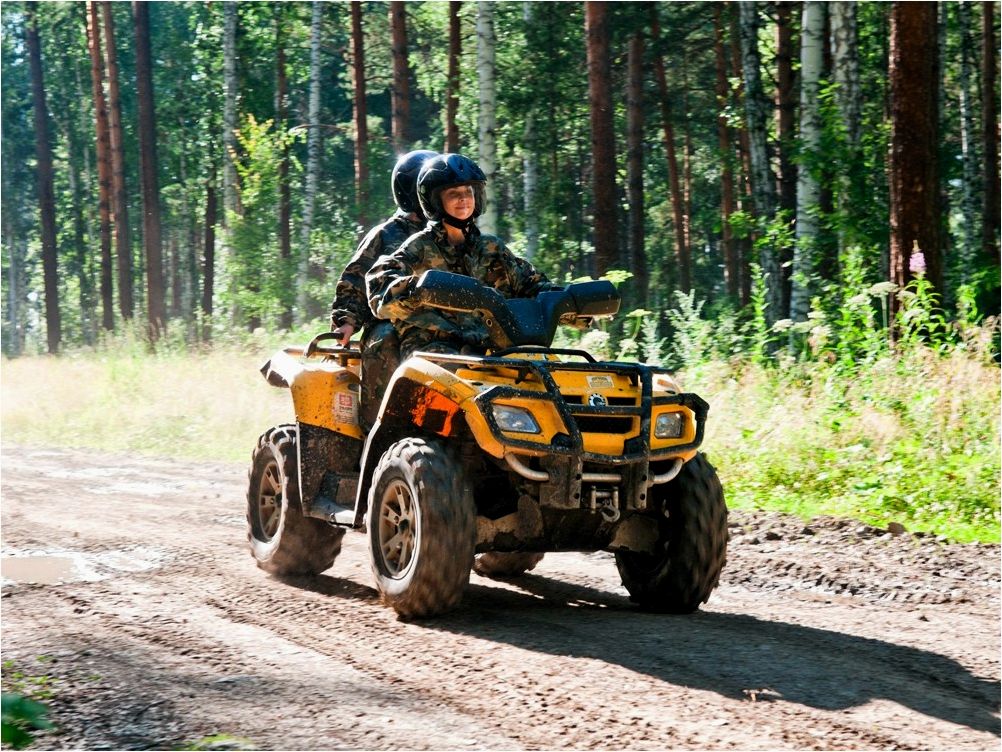
There’s also subgroup “B1,” which covers quad bikes (not ATVs, which is actually important) and tricycles. Legally, a four-wheeled vehicle is defined as a vehicle with four wheels, a maximum unloaded weight of 400 kg, and an engine power of 20 horsepower. A tricycle is a three-wheeled vehicle characterized by a symmetrical wheel arrangement, with the central axis oriented longitudinally for the bicycle. Tricycle engine size is limited to 50 cubic centimeters, but power limitations are not expected by law; in fact, a wide variety of sport-tuned vehicles exist.
Category “C” and its subcategories
Driver’s licenses and category “C” vehicles are required, whenever possible, for passenger cars weighing over 3. 5 tons. A “C” license allows for the legal operation of medium-duty trucks (weighing from 3. 5 to 7. 5 tons), heavy-duty trucks (over 7. 5 tons), and trucks equipped with trailers, many of which do not exceed 750 kg.
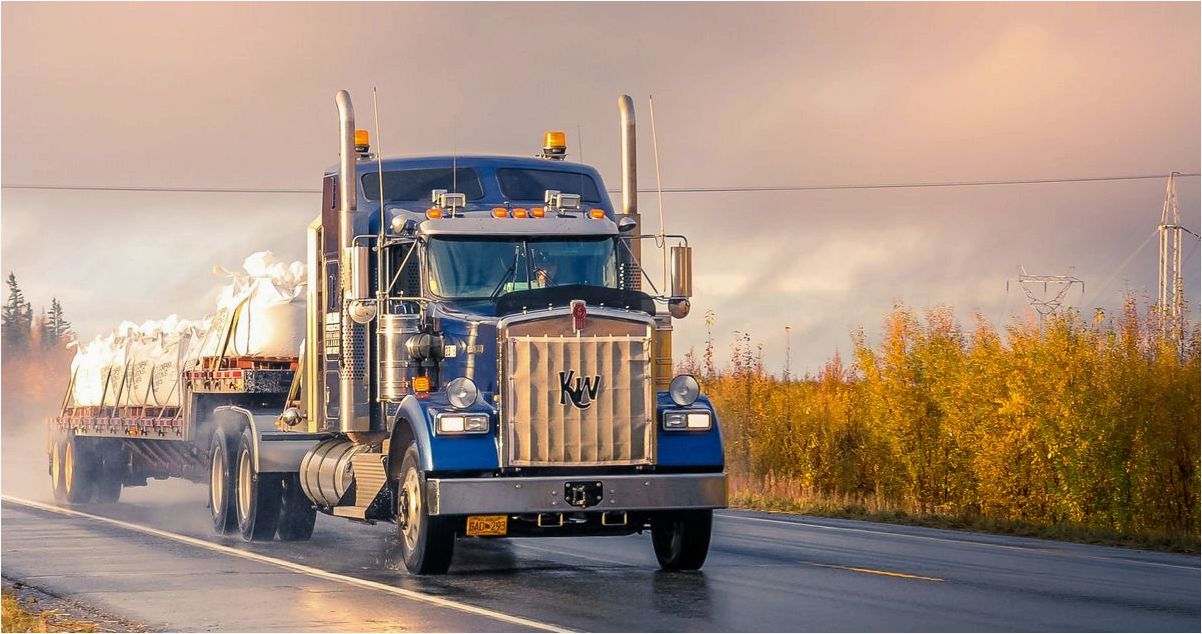
It is important to note that a “C” license does not permit driving passenger cars or trucks, many of which are under 3. 5 tons. If the driver plans to drive a medium-duty or heavy-duty truck with a trailer or semi-trailer, they will need to pass the exam for the “CE” subcategory.
If you see driver’s license categories for 2022, it is in the “C1” group. This applies primarily to medium-duty trucks, which weigh between 3. 5 and 7. 5 tons. A small trailer must be equipped with a maximum weight of 750 kg. If you have a “C” license, “C1” is detected mechanically.
It is also necessary to identify the “C1E” group, likely due to the use of trucks with trailers weighing over 750 kg. In general, the combined weight of a truck and trailer remains limited. It is impossible to exceed the 12-ton limit. The required category is automatically created upon receiving the “CE” certificate.
Category “D” and its subcategories
Category “D” and its subcategories
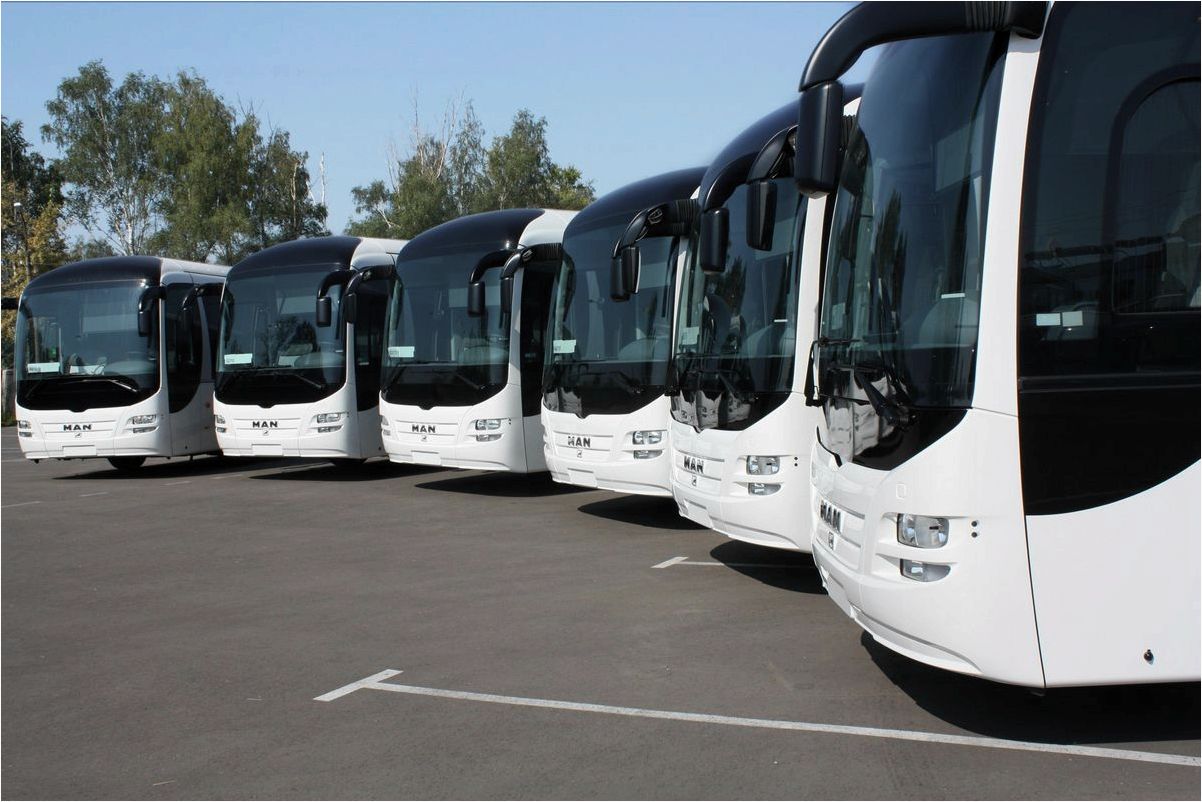
In fact, it’s important to note that a “D” license doesn’t permit similar people, or “accordion-type” drivers, to drive buses. This possibility can be recognized when opening a “DE” license. Furthermore, the driver can also drive other buses, many of which weigh over 750 kg.
If the driver plans to only drive a small bus with no more than 16 passenger seats, then the “D1” subcategory is sufficient. “D1E” allows vehicles to be equipped with trailers weighing over 750 kg, provided the trailer is no heavier than the bus itself and the total number of couplings does not exceed 12 tons. Importantly, the trailer cannot be used to transport people; this is prohibited by both traffic regulations and safety requirements.
Transporting passengers is a very serious task, and the driver must be a true professional to understand that, essentially, human lives are in their hands. For this reason, certain restrictions have been introduced for categories “D.” Only people over 21 years of age can obtain a “D” or “D1,” while training in the relevant programs is possible with a “B” or “C” license, with no financial restrictions and at least three years of driving experience. For “DE,” the age limit is even higher—22 years.
Category “M” driving licenses
Category “M” driver’s license
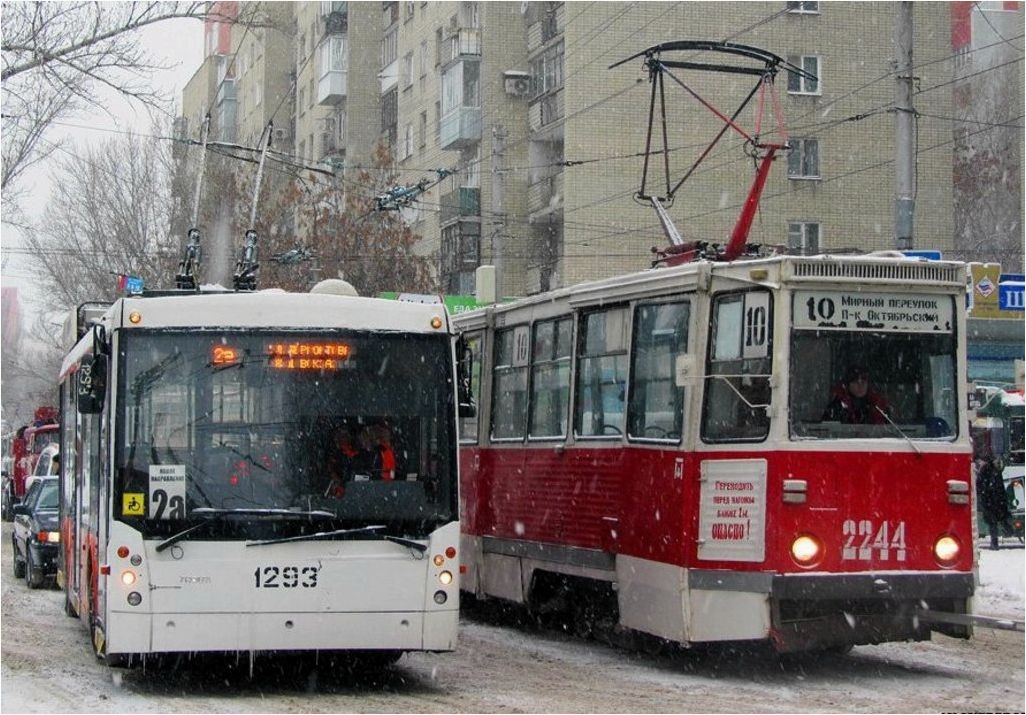
Specialized categories Tb and Tm
Specialized categories Tb and Tm
ATV license
ATV license
What are the categories of driving licenses?


