Elecampane (Elecampane divaricata)
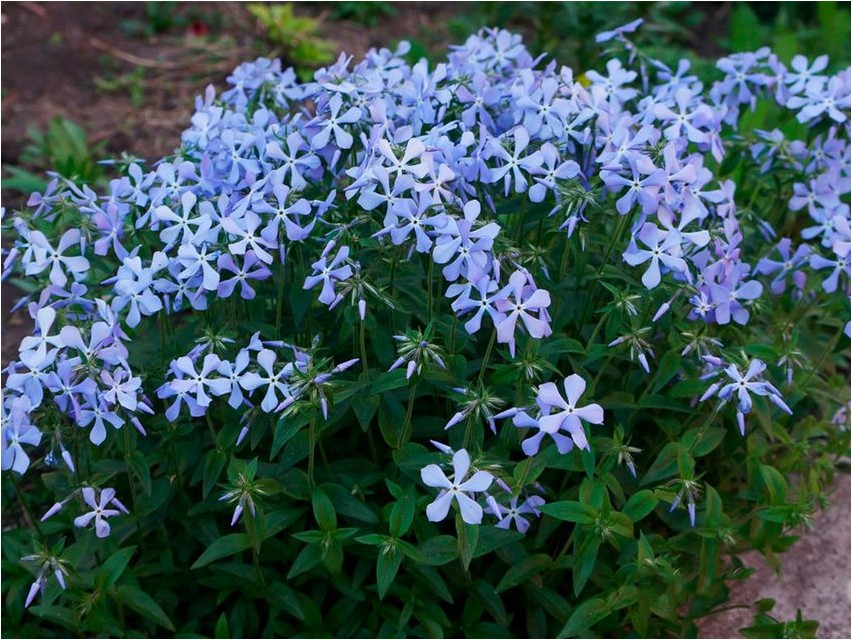
Elecampane (Elecampane divaricata) is a member of the Asteraceae or Compositae family. Its Latin name is Inula conyza DC.
The family name of Elecampane itself is Asteraceae Dumort.
Description of Elecampane
Elecampane (Elecampane divaricata) is a biennial, herbaceous, downy-tomentose plant with a round, branched stem. Its leaves are oval or oblong-elliptical in shape and finely toothed, with the lower leaves having petioles and the stem leaves being sessile and tapering toward the base. Elecampane flowers form numerous heads that twist into a branched, corymbose panicle. The marginal florets are ligulate, while the central florets are bisexual, tubular, and brownish in color. This plant has only five stamens, fused by threads into a tube, through which passes the style, which bears a bipartite stigma. The ovary is unilocular and inferior. The fruit of the elecampane is a fluffy achene.
This plant blooms from June to July. In the wild, the elecampane can be found in Ukraine, Belarus, Crimea, the Caucasus, as well as in the southern regions of Russia and in central and southern Europe. This plant prefers shrubs, wooded meadows, forests, riverbanks, and limestone and rocky soils. Description of the medicinal properties of Elecampane
Elecampane possesses highly valuable medicinal properties, and its herb is recommended for medicinal purposes. The herb includes the leaves, stems, and flower heads of Elecampane. It is recommended to harvest this material during June and July. It should be noted that the chemical composition of this plant has not yet been fully studied, but it has been definitively established that it contains essential oil. For this reason, new ways to utilize its medicinal properties can be expected.
It is noteworthy that this plant is endowed with a very specific and unpleasant odor. This plant is endowed with antiseptic, analgesic, anti-inflammatory, diuretic, wound healing, carminative and insecticidal effects, and this plant can also increase menstrual bleeding.

An aqueous infusion prepared from the herb of this plant is recommended for use for chest pain and shortness of breath, as well as as a carminative, diuretic and prophylactic for a variety of quite contagious diseases. It is recommended to apply the crushed herb of this plant to ulcers, places of dislocations and fractures, as well as purulent wounds. An aqueous infusion of this plant can be used to wash skin rashes. It should be noted that fumigation with the smoke of this plant can exterminate mosquitoes, flies, bedbugs and various other harmful insects.
To prepare a very valuable remedy based on elecampane, you will need to take one tablespoon of dry herb of this plant per glass of boiling water. It is recommended to infuse the resulting mixture for one to two hours, after which the mixture is carefully filtered. It is noteworthy that in order to ensure greater effectiveness when taking such a remedy, it is recommended not only to follow all the rules for its preparation, but also to strictly follow the rules for its administration. This remedy should be taken one or two spoons three to four times a day.
NINE POWERS of elecampane roots treat: pneumonia, bronchitis, hemorrhoids, hypertension, skin diseases





