European Olive
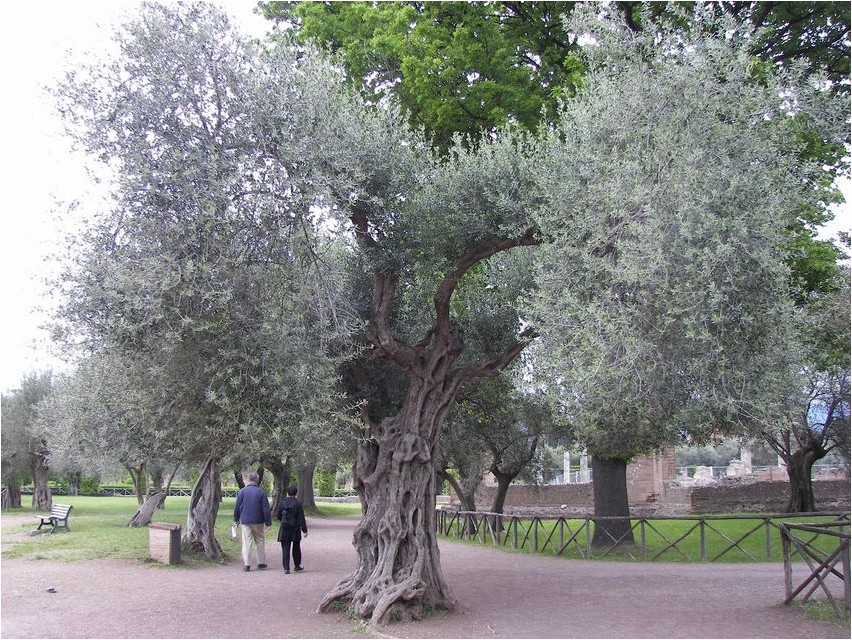
The European olive is a member of the Oleaceae family. Its Latin name is Olea europica L.
The family name of the European olive is Oleaceae Hoffmgg. et Link.
Description of the European Olive
The European olive is a small evergreen tree, reaching a height of between four and ten meters. This tree has fissured bark, gray tones, and a fairly dense crown. Its leaves are elongated-oval, opposite, and leathery, dark green above and silvery beneath from stellate hairs. The flowers of the European olive are delicate white, borne in paniculate clusters, and possess a highly fragrant aroma. The fruits of this plant are oval or round fleshy drupes that can be either black or dark purple.
The European olive tree blooms from May to June, with the fruits ripening from September to December. Remarkably, this plant appears to be the longest-lived of all cultivated plants. It should be noted that this plant is rarely found in the wild. The European olive tree is cultivated in Central Asia, Crimea, and the Transcaucasus.
Description of the Medicinal Properties of the European Olive Tree
The European olive tree is endowed with very valuable medicinal properties, and it is recommended to use the leaves and fruits of this plant for medicinal purposes. The leaves are recommended to be harvested throughout the flowering period. These valuable medicinal properties are explained by the vitamins and fatty oil it contains, which include oleic, stearic, arachidonic, linoleic, and palmitic acids. The fruits of the European olive tree contain catechins, carbohydrates, pectin substances, phenolic carboxylic acids, and triterpene saponins. Flavonoids, resins, phytosterol, organic acids, the glycoside oleuropein, lactone elenoid, essential oil, bitter substances, and tannins have been found in the leaves of this plant.
It should be noted that experiments have shown that olive leaf extract can lower blood pressure, increase diuresis, deepen respiration, and slow intestinal peristalsis.

Olive oil has valuable wound-healing, anti-inflammatory, demulcent, laxative, and emollient properties, and can also help dissolve gallstones. For this reason, olive leaf extract is used as a gentle laxative and demulcent for gallstones, constipation, chronic gastritis, liquid poisoning, and bleeding hemorrhoids. It is also used as an emollient for the formation of hard crusts from abrasions, ulcers, bee stings, and ulcers.
Olive oil is also used as a solvent for certain medications intended for intramuscular and subcutaneous administration. This oil is also used to make various ointments and plasters. Interestingly, due to the unsaturated fatty acid content of olive oil, it is considered a very effective remedy for atherosclerosis. Traditional medicine uses olive oil for persistent constipation and severe dry coughs.





