Northern wormwood
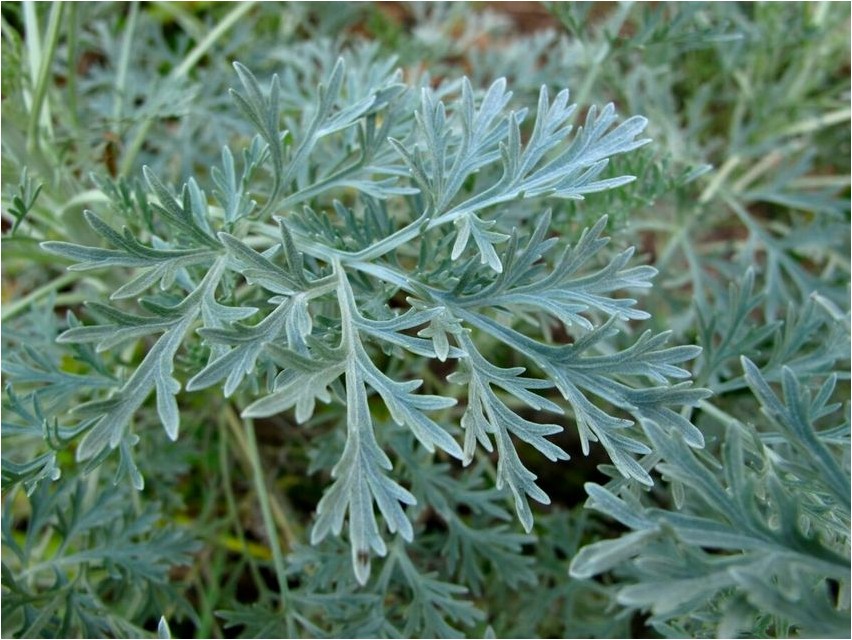
Northern wormwood is one of the plants of the family called Asteraceae or Asteraceae; in Latin the name of this plant will be as follows: Artemisia borealis Pall.
As for the name of the northern wormwood family itself, in Latin it will be like this: Asteraceae Dumort. (Compositae Giseke).
Description of northern wormwood
Northern wormwood is a perennial herbaceous plant. The thickness of the root of this plant will be about one and a half centimeters; such a root will be multi-headed and develop very short, quite numerous shoots. There are only a few stems of northern wormwood, they will be single, and their height varies between eight and twenty-five centimeters; sometimes the stems of northern wormwood can be painted in purple tones. The baskets of this plant will be almost spherical, their width is three to four millimeters; such baskets can be sessile or located directly on the main stem, as well as on the pedicels. Such baskets form a simple brush or can be collected in fairly dense brushes. The marginal flowers of this plant will be pistillate, there are only about fifteen to seventeen of them, while the corolla is tubular and small. The disc flowers of northern wormwood will be staminate, there are about seventeen to twenty of them, and the corolla is narrowly conical. The fruit of northern wormwood is an elongated ovoid achene, the length of which will be about two millimeters, and such an achene will be colored black and brown.
Northern wormwood blooms in August. Under natural conditions, this plant is found in the Altai region of Western Siberia, regions of the Arctic, Eastern Siberia and all regions of the Far East, with the exception of only the west and east of Primorye. For growth, northern wormwood prefers pebbles, plains, swampy deciduous forests, rocky and gravelly slopes, dry sea and river banks, as well as screes in the mid-mountain and upper-mountain zones.
Description of the medicinal properties of northern wormwood
Northern wormwood is endowed with very valuable healing properties, and it is recommended to use the leaves and grass of this plant for medicinal purposes. The term grass includes leaves, flowers and stems.
The presence of such valuable healing properties can be attributed to the polyacetylene compound dihydrofolcarinone contained in this plant. Northern wormwood possesses highly effective wound-healing, anthelmintic, and hemostatic properties. A decoction prepared from this plant’s herb is indicated for metrorrhagia. Fresh crushed leaves of this plant should be applied topically as a wound-healing agent.

For metrorrhagia, the following highly effective remedy based on this plant is recommended: to prepare this remedy, take one tablespoon of northern wormwood herb per glass of water. The resulting mixture should be boiled for approximately three to four minutes over fairly low heat, then steeped for approximately one hour, after which the medicinal mixture should be thoroughly strained. Take one tablespoon of this medicinal remedy three to four times daily, thirty minutes before meals. It’s important to note that to achieve maximum effectiveness, you should strictly adhere to all the instructions for taking this remedy and carefully follow all the preparation guidelines: in this case, the positive effect will be achieved quite quickly.