Dolichos
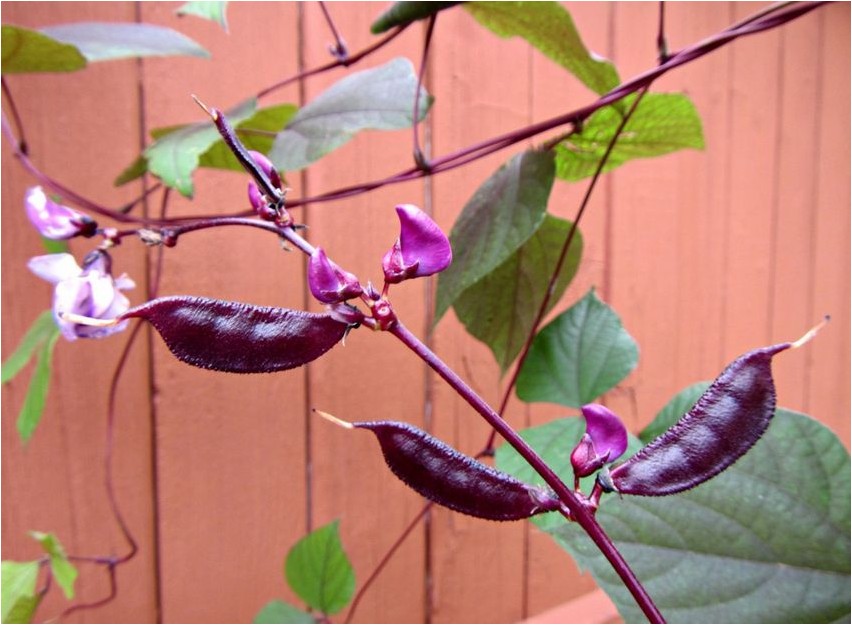
Dolichos (lat. Dolichos) is a genus of heat-loving flowering climbing plants belonging to the Legume family. Like most plants of the legume family, it enriches the soil with nitrogen and produces edible fruits.
If in tropical climates Dolichos is represented by perennial vines, then in temperate climates the plant is grown as an annual, used for vertical gardening.
What”s in your name
A fast-growing vine, reaching 10 meters in length in tropical conditions, is of course far from 1344 meters, however, in its Latin name there is a connection with this figure.
The fact is that in the 8th century BC the list of Olympic Games included the so-called “long run”, which in Greek sounds like “dolichos”. It was “long” because it exceeded the usual running distance of 192 meters by 7 times, that is, the length of the distance in this type of competition was equal to these 1344 meters. With its “long”, or rather, “long” shoot, the vine prompted botanists to give such an unusual name to our ears for a genus of tropical climbing plants that deftly climb a support, like climbers courageously storming inaccessible slopes. After all, both climbers and long-distance runners are for other people an example of valor, strong will and enviable hard work.
So the plants of the genus “Dolichos” are distinguished by a huge reserve of energy, growing their simple-shaped greenery at a fast sporting pace to help the gardener drape the defects of buildings and structures. At the same time, they give a light, pleasant aroma of flowering; fruits, which in many species are quite edible and are actively used by people for hearty meals; and also saturate the soil with nitrogen, which the plant world needs to grow and thrive.
Lobia — relative of Dolichos
The only species of plants of the genus Lobia (lat. Lablab), formed by botanists by separating “Dolichos vulgaris” into an independent genus, is this same “Dolichos vulgaris”. It is possible that the plant owes this isolation to its edible beans, which are actively used in human nutrition in Africa and East Asia.

The many names given to this plant in different countries shouldn”t mislead you, as the genus Lobia includes many species. It”s simply that those unfamiliar with botanical science call Lobia by names that speak to them. These include: Australian pea, hyacinth bean, Indian bean, Egyptian bean, common dolichos, or Dolichos lablab (the list goes on). Furthermore, many cultivars have been developed, adding to the confusion surrounding the name.
Dolichos lablab is grown as an annual ornamental plant in temperate zones. Its ability to quickly produce lateral shoots covered in large leaves makes it an excellent decorative addition to garden structures that haven”t been given the time to redecorate. The plant doesn”t try to be original, and so the shape of its leaves, racemose inflorescences, and multicolored seeds of its aromatic pods will remind the gardener of the more familiar bean, only growing faster, taller, larger, and richer in color.
Edibility of the Tops and Roots
Dolichos vulgaris is a representative of the plant kingdom, created entirely by the Almighty for the nutrition of animals and humans, a fact understood by humans since ancient times. All parts of the plant, from the roots to the tops, are used.
However, different parts of the plant require individual processing before serving. The roots of the plant are baked in the oven or boiled in water. The flowers and leaves can be eaten straight from the bush or lightly steamed. As for the plant”s fruits, caution should be exercised, as they contain toxic cyanogenic glycosides. These are removed by boiling the seeds and bean pods in several waters. Growing
Dolichos prefers sunny locations; loose, fertile soil; requires watering early in life and during prolonged drought.
March 27, 2020. An amazing plant, climbing lilac, Dolichos, or hyacinth bean.
Dolichos dolichos