Acanthopanax
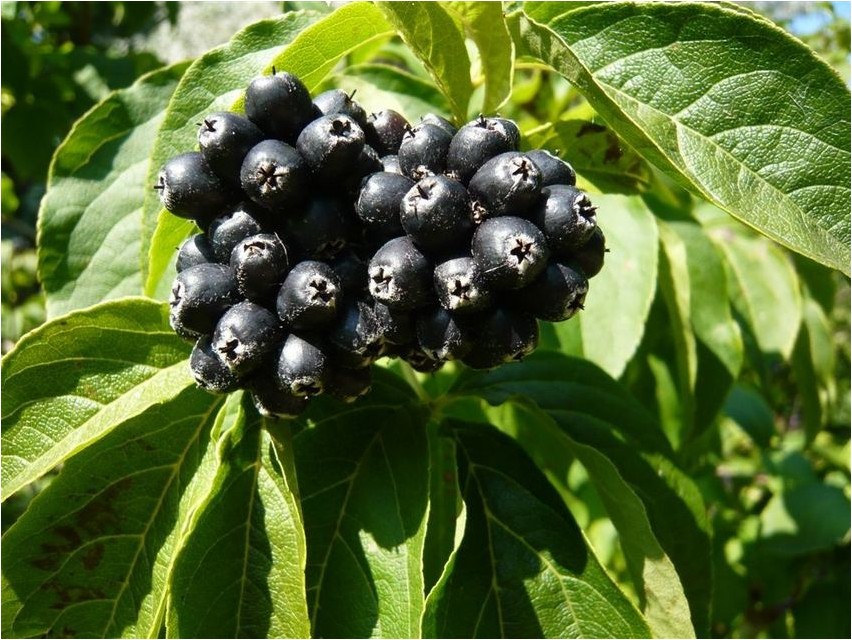
Acanthopanax (Latin: Acanthopanax) is a medicinal plant; a member of the genus Acanthopanax in the family Araliaceae. The genus includes approximately 20 species found in the Himalayas, Southeast Asia, as well as in the Khabarovsk and Primorsky Krais and the Amur Region.
The plants grow primarily at forest edges, in riverine forests, at elevated elevations in swampy taiga, and along wooded riverbanks.
Culture Characteristics
Acanthopanax are evergreen or deciduous shrubs or small, sparsely branched trees with robust, glossy, green-brown shoots and thorny branches. The leaves are petiolate, alternate, compound, and palmate, forming on short shoots. The flowers are small, sparse, and borne in umbels or large paniculate inflorescences. The fruits are black and berry-like.
All members of the genus are undemanding and undemanding regarding growing conditions; most are not particularly winter-hardy. Acanthopanax prefers water- and air-permeable, moist, loose, and nutritious soils. They have highly decorative properties due to their distinctive foliage. They are often used to create hedges, in small groups, and as single plantings.
Species Common in Russia
Only two species are particularly popular in Russia:
*Acanthopanax divaricatus (Latin: Acanthopanax divaricatus) is a shrub up to 3 m tall. Native to Japan. This species blooms from the second half of August to the first ten days of September for 15-20 days. It begins bearing fruit in the 10th year, but does not produce fruit every year. Unlike other members of the genus, this species is winter-hardy; in severe winters, immature shoots freeze. Propagated by seeds and cuttings. The latter method is more effective, typically rooting up to 100% of the cuttings.

*Acanthopanax sessiliflonis (Latin: Acanthopanax sessiliflonis) is a highly branched shrub up to 3 m tall with a beautiful spherical crown and light gray trunks. Young shoots are ash-gray with a yellowish tint, bearing single spines that are widened at the base. The leaves are long-petioled, compound, and up to 12 cm long. The flowers are brown-violet or dark purple, quite small, and gathered in capitate, spherical inflorescences. This species blooms for 20-30 days. The fruits are oblong, black, and not edible. It blooms in the third year of life and begins bearing fruit in the fourth year, sometimes later.
Propagation and Cultivation Tips
Acanthopanax are propagated by seeds and vegetatively. Seed propagation is labor-intensive and ineffective. Even with good care, seeds germinate only after 1-2 years. Seeds remain viable for up to one year. The plant is also propagated by cuttings and root suckers. Cuttings are taken in the summer. Strong, healthy shoots are used for cuttings. Even without treatment with growth stimulants, up to 100% of cuttings root.
In addition to growing conditions, the soil across the entire crown should be constantly moist, avoiding overwatering and avoiding drying out. Good drainage is the key to healthy Acanthopanax. Representatives of the genus are sun-loving plants, although they grow well in partial shade. When planting, fill the planting holes with a mixture of mineral and organic fertilizers (compost or humus is preferable for the latter, but never fresh manure, as it will damage the roots).
Further fertilizing should be done once a year. Fertilizing is recommended in early spring. Acanthopanax does not require winter shelter, but this does not apply to all species, only frost-hardy ones. Most species of the genus are resistant to diseases and pests, but preventative treatments will not harm them, especially if organic infusions are used. Mulching the soil at the base of the shrub is also recommended; this procedure will make caring for the shrubs somewhat easier, particularly eliminating the need for weeding and frequent watering.





