Bladderwort physalis
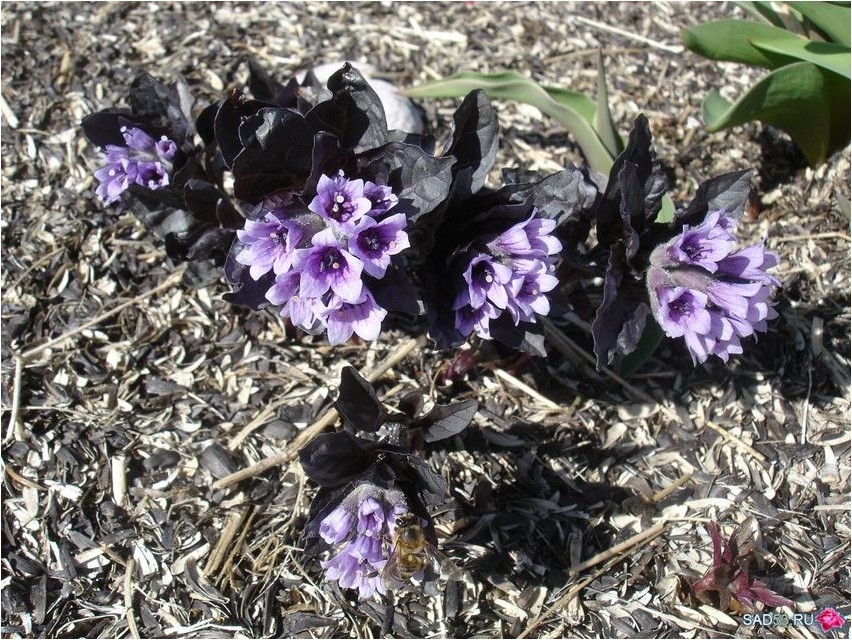
Physalis-shaped bladderwort is one of the plants of the family called Solanaceae; in Latin the name of this plant will be as follows: Physochlaina physaloides (L.) G. Donfil (Scopopia phisaloides (L.) Dum.).
As for the name of the Physalis-shaped bladderwort family itself, in Latin it will be: Solanaceae Juss.
Description of the bladderwort physalis
The physalis-shaped bladderwort or the physalis globulus is a perennial herbaceous plant endowed with straight stems that will branch upward. The leaves of this plant are oval, they can be either bluntly notched or entire. The corolla of the flower is painted in purple tones and will be funnel-shaped. The fruit of the bladderwort physalis is a spherical capsule that reaches a diameter of approximately one centimeter.
Under natural conditions, this plant is found in Central Asia, the Daursky and Angara-Sayan regions of Eastern Siberia, the Irtysh and Altai regions of Western Siberia, as well as in the west of the Amur region in the Far East. For growth, the physalis-shaped bladderwort prefers rocks, steppe, open and rocky slopes of hills and hills. It should be noted that bladderwrack is a poisonous plant, for this reason it is recommended to exercise extreme caution when handling this plant.
Description of the medicinal properties of bladderwort physalis
Physalis-shaped bladderwort is endowed with very valuable healing properties, and it is recommended to use the roots and herbs of this plant for medicinal purposes. The term grass includes flowers, stems and leaves. The presence of such valuable healing properties is recommended to be explained by the content of flavonoids and alkaloids in this plant.
As for Tibetan and Mongolian medicine, here this plant is quite widespread. The powder of the aerial part of this plant is indicated for use in dyspepsia, measles, diphtheria, smallpox, anthrax, colic, jaundice, erysipelas, chronic and acute diseases of the gastrointestinal tract, headaches, various diseases of the gallbladder, malignant neoplasms, neuroses and dyspepsia. In addition, bladderwort physalis is also used as an anthelmintic, antipyretic and wound-healing agent.

Tibetan medicine uses the herb of this plant as part of complex preparations for peptic ulcers of the duodenum and stomach. As for traditional medicine, here this plant is indicated for use in various venereal diseases, typhus and dyspepsia, and is also used as an analgesic.
Mongolian medicine uses a decoction prepared from the roots of this plant, which is used for psoriasis, dermatitis and various other skin diseases. Powder based on bladderwort physalis is used for hemorrhoids, cystitis and neuralgia. It is noteworthy that in the experiment, the extract of the roots of this plant was endowed with a very effective wound-healing effect.
As for growing this plant, it will need a well-lit place throughout the growing season. The soil reaction should be either slightly alkaline or neutral. Reproduction of the bladderwort physalis occurs vegetatively, and parts of the rhizome of this plant along with the established renewal buds should be separated. However, due to the fact that the bladderwort physalis is a poisonous plant, treatment is recommended to be carried out exclusively under the close supervision of specialists.