Kombucha
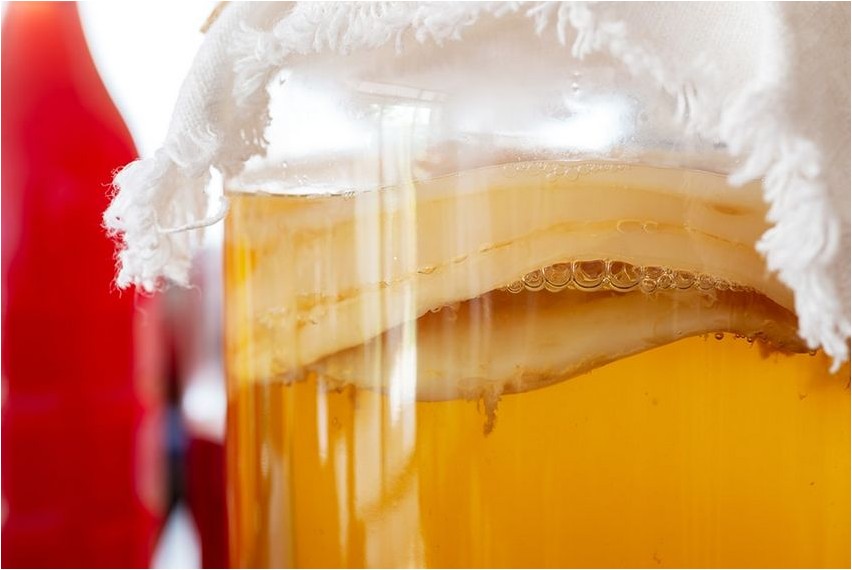
Kombucha is a distinctive, multi-layered, thick, fleshy, slimy mass with a dirty-white color.
The Latin name for this plant is Medusomyces gisevii. This plant can only grow in certain conditions. Kombucha is actually a mixture of acetic acid bacteria and yeast fungi.
Description of Kombucha
Kombucha is also known by the following common names: sea mushroom, tea kvass, Manchurian mushroom, and Japanese mushroom. In appearance, Kombucha closely resembles a floating jellyfish. It is smooth on top, and has a fibrous, shaggy texture underneath. It is worth noting that strongly brewed and fairly well-filtered black tea can be an excellent nutrient medium for Kombucha. This tea should contain approximately eight to ten percent sugar: approximately one hundred grams of sugar per nine hundred milliliters of tea. After just a month, a thin, delicate film will begin to separate from the surface of the kombucha. This film should then be placed in a separate jar for subsequent propagation.
Kombucha was originally cultivated in India, Indonesia, and Japan. Propagation is accomplished by taking either a new layer or small pieces from older layers. This planting material should be transferred to a jar holding approximately two to three liters, which should be filled one-third full with filtered sweet black tea. The jar should be covered with two or three layers of gauze to ensure excellent oxygen access.
Description of the medicinal properties of kombucha
Kombucha infusion contains the following organic acids: lactic, gluconic, acetic, and carbonic, as well as vitamin C and other vitamins, ethyl alcohol, enzymes, and a significant amount of minerals, aromatic substances, and antibiotics. It should be noted that in terms of the amount of acids, kombucha infusion is comparable to regular kvass. The medicinal properties of such an infusion will directly depend on the antibiotic action of the antibiotic substances and gluconic acid found in the infusion itself. As for the concentration of organic acids, it will depend on the length of the kombucha cultivation period, as well as the growing conditions and the sugar concentration in the infusion.
An infusion prepared from kombucha will have analgesic, anti-inflammatory, restorative and antibiotic effects. In addition, this infusion normalizes the activity of both the biliary and digestive organs, and also has the ability to increase appetite. This remedy is quite effective in the sclerotic phases of hypertension, atherosclerosis, and can also very significantly reduce blood cholesterol and blood pressure, reduce headaches and pain in the heart. In addition, such a remedy based on kombucha can help get rid of insomnia, improve the well-being of patients and will be useful for various colds of the upper respiratory tract.

As for the external use of this remedy, it is used for rinsing the mouth, pharynx, and nasal cavity for various forms of sore throat, as well as for chronic tonsillitis and various inflammatory processes occurring in the oral cavity. By carefully rinsing the nasal cavity with an infusion of kombucha, you can get rid of chronic runny noses, and rinsing purulent wounds with this remedy will help them heal quickly.





