Diplasium
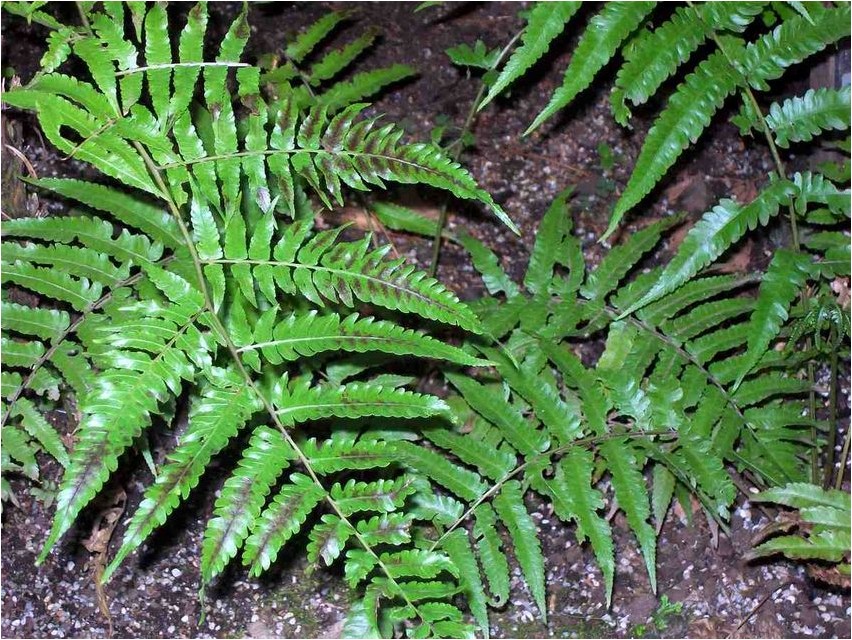
Diplazium (lat. Diplazium) – fern; representative of the Kochedyzhnikov family. The homeland of the plant is called North America and Siberia.
In nature, fern is also found throughout temperate Russia, Scandinavia and some northern Asian countries. Typical habitats are mixed and coniferous forests, open forests, bushes, rocky areas, and the foothills of mountains. Many representatives of the genus are suitable for growing at home.
Characteristics of culture
Diplasium is represented by large perennial plants more than 70 cm in height. They are characterized by creeping rhizomes and green feathery lacy foliage, which dies off with the onset of cold weather. Foliage color varies from light to dark depending on the species. The segments are oblong, lanceolate. The petioles are black and covered with scales. All members of the genus reproduce vegetatively; reproduction by spores is also possible.
Diplasium can hardly be called a whimsical fern. It thrives in both sunny and shady areas. The main thing is that the soils are moderately moist, not swampy and not heavy. By the way, due to the fact that Diplasium grows well in the shade, it is often used in city parks and gardens, where there is very little light. It fits perfectly in tandem with coniferous shrubs.
Known species
Two types of Diplasium are well known in Russia. The first is densely fruited diplazium (lat. Diplazium pycnocarpon). It is a native of North America, but since it is famous for its high winter-hardy properties, it has taken root in cold Russia. The species is very attractive, forms a lush bush of feathery light green foliage. Height is from 80 to 100 cm. In nature there are taller specimens.
Another species that was born in Russia is Siberian Diplazium (lat. Diplazium sibiricum). In addition to Siberia, fern grows in Japan, China, Primorsky Krai and Scandinavia. Today, the plant is listed in the Red Book of Russia as an endangered species. It is found mainly in damp coniferous forests, as well as on the banks of forest rivers and streams. Diplasium Siberianum is especially good in soils containing lime.

Application
Due to the high content of tannins and extractives, the foliage and rhizomes of fern are actively used in alternative medicine. Alcohol and water infusions from Diplasium are recommended for nephritis, metabolic disorders, dysentery, enterocolitis, and worms. Tinctures are also effective in fighting colds and flu. They stimulate the immune system, relieve fever, and reduce fever. In Tibet, the tincture is used against rabies.
Growing at home
Growing at home is not difficult. The plant feels great at room temperature (18-25C). The only rule: the plant cannot be placed on sunny windows, as hot rays can cause burns to the foliage. It is preferable to place containers with ferns on northern windows or in a room where there is little sunlight. The substrate is preferably moist, drained, including a lot of peat and rotted organic fertilizers. The addition of coarse sand to the substrate is encouraged.