Zhgun-root Ayansky
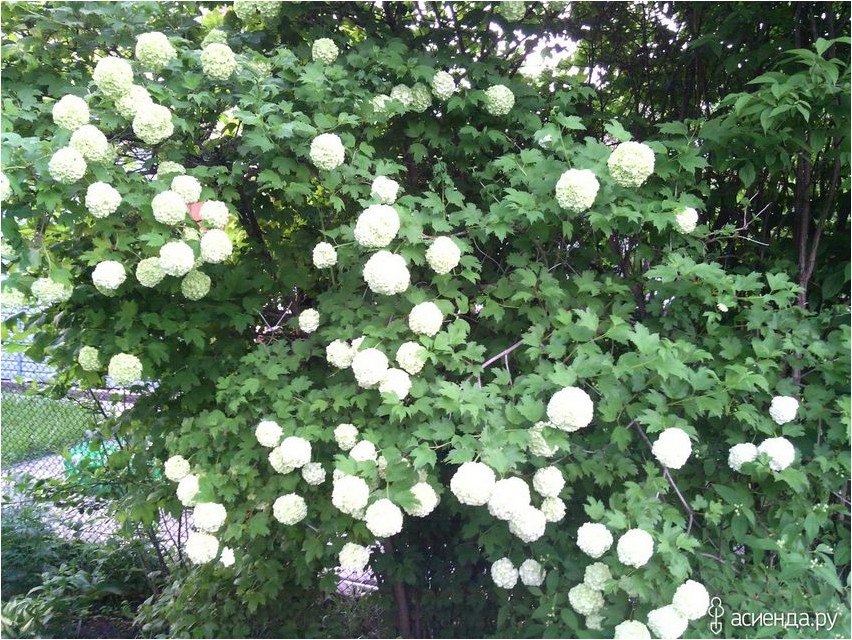
Ayansky zhgun-root is one of the plants of the family called Umbellaceae; in Latin the name of this plant will be as follows: Cnidium ajanense (Reg. ex Til.) Drude.
As for the very name of the family of the Ayan root, in Latin it will be like this: Apiaceae Lindl.
Description of the Ayan root zhgun
Ayansky zhgun-root is a perennial herbaceous plant endowed with a rather thick vertical root. The stems of this plant can be single or several pieces; most often the stems are straight, and their height is fifteen to fifty centimeters. Such stems will be thinly ribbed or bare. The leaves will be almost basal, and in outline they are ovate-triangular. Such leaves can be either thrice-pinnately dissected or double-pinnately dissected. The length of the umbrellas across will be about three to four centimeters, and the umbrellas across will be five to nine millimeters. The teeth of the calyx are noticeable, the petals are elliptical in shape, they can be colored in either white or purple tones. The umbels are equipped with an inwardly curved, lanceolate, extended apex. The fruits of this plant are broadly ovoid.
The flowering of the ayansky zhgun root occurs in the period from July to August. The fruits ripen in September. Under natural conditions, the plant can be found in the Russian Far East and Eastern Siberia. For growth, the plant prefers places in bushes, in hummocky tundra, along the edges of swamps and in alpine meadows.
Description of the medicinal properties of the Ayan root zhgun
Ayansky zhgun root is endowed with very valuable healing properties, and it is recommended to use the root and leaves of this plant for medicinal purposes.
The presence of such valuable healing properties of this plant is determined by the content of essential oil in the plant, while the roots contain coumarins. It should be noted that coumarins are found in all parts of this plant; saponins have been found in the leaves, fruits and roots. Tannins are found only in the leaves of this plant, and the essential oil is present in the fruits and grass.

For dizziness, paralysis, and headaches, an infusion of the leaves or roots of this plant should be used. These remedies are also used for scrofula, syphilis, hemorrhoids, and various gynecological conditions. Hot baths prepared with an infusion of the herb Cnidium ajanicum are recommended for colds.
For uterine prolapse, the following remedy based on this plant is recommended: to prepare this remedy, take six grams of crushed roots per cup of boiling water. Let the resulting mixture steep for two to three hours, then strain thoroughly. Take two tablespoons of this remedy three times daily before meals for two to three weeks.
For hemorrhoids, a fairly effective remedy based on Cnidium ajanicum can also be used: to prepare this remedy, take two tablespoons of dried crushed leaves of this plant per three hundred milliliters of boiling water. The resulting mixture should be left to steep for two hours, after which it should be thoroughly strained. Take one-third of a glass of the resulting mixture three times daily before meals for two to three weeks. It’s important to follow not only the preparation instructions but also all the instructions for taking this remedy to achieve maximum effectiveness.





