Lupine white
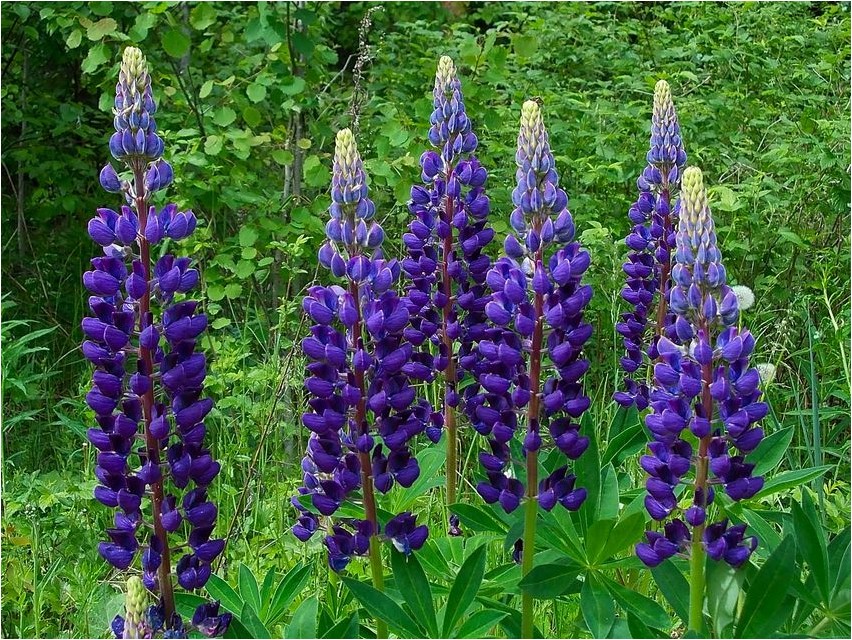
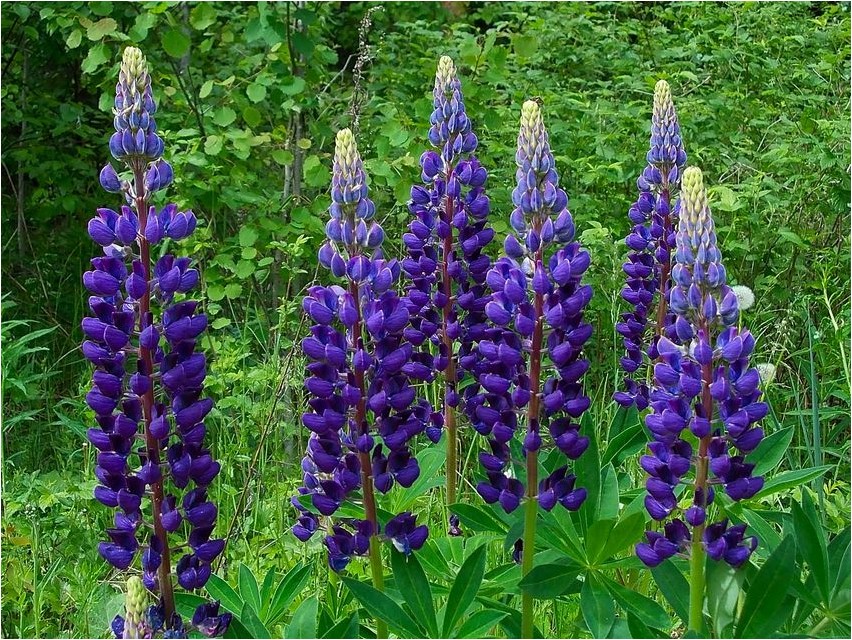
White lupine (lat. Lupinus albus) is an annual herbaceous plant from the genus Lupine (lat. Lupinus) of the legume family (lat. Fabaceae). Its seeds, rich in proteins, dietary fiber, antioxidants and low fat content, are used as food in many countries around the world.
Such qualities of the plant are combined with unpretentiousness to the composition of the soil, as long as it is moist and the planting site is sunny. In addition, the plant heals the depleted soil, restoring its fertility.
Description
The annual plant has a taproot, from which additional lateral roots with nodules extend. Microorganisms settle on the nodules and are able to fix free nitrogen from the air and replenish the soil with it. By planting Lupine on poor, depleted soils, gardeners thereby heal the land, restoring its fertility.
On an erect, branched stem that grows to a height of 1. 2 meters, there are palmately compound green leaves protected by dense hairs. However, all above-ground parts of the plant are hairy.
In spring and summer, the upper part of the stems displays inflorescences of white, sometimes blue, flowers to the world. White Lupine plants are monoecious, and therefore their flowers have both female and male organs. Pollination occurs with the help of bees collecting nectar and pollen.
The fruit of White Lupine is a large bean, traditional for plants of the Legume family, which acquires a yellow color when ripe. Inside the bean are large, flat, light cream-colored seeds.

Edible seeds
White Lupine seeds have been used by people for food since ancient times. Although the content of a number of toxic alkaloids in the seeds gives them a bitter taste and can cause poisoning, this was easily corrected by people by soaking them in cold water. When the seeds are soaked in cold water overnight, the bitterness is released into the water. To be on the safe side, the first water during further boiling of the seeds is drained, and then fresh water is added. Seeds boiled in this way are not only edible, but also healthy, since they contain proteins and many other components useful to the human body.
Dried seeds are used instead of coffee beans. The seeds, which have been purified from alkaloids by soaking, are then boiled, stewed or fried, resulting in a satisfying and healthy food. Whole beans are salted in a similar way to pickling cucumbers, and then served, for example, with beer. They can be consumed whole, without peeling the bean skin or removing the seeds from the bean.
The seeds are used to make flour, which is added to traditional flours when mixing dough for baking.
Australians have developed breeding varieties with seeds that are devoid of natural bitterness and become sweet. Such varieties are used in the preparation of sweet dishes, including the production of low-calorie ice cream.
Some fans of edible Lupine value its qualities above those of soybeans and prepare products similar to soy products from Lupine seeds. For example, tofu, that is, curd made from Lupine seeds.
Lupine seed products are attractive to non-meat eaters because they are rich in protein. The low starch content and lack of gluten in white lupine seeds makes the seeds a dietary product for people suffering from diabetes.
Lupine oil is made from the seeds, which is used for food, medicinal and cosmetic purposes.
White lupine is cultivated in the Mediterranean countries, Australia, Egypt, Israel and Lebanon, and Brazil.
Growing
White lupine loves sunny places, refusing to grow successfully in the shade.
The plant is suitable for sandy and loamy soils with any acidity. The soil should be moist, but without excess dampness.
The soil may be infertile, because Lupine himself will fertilize the poor soil, preparing it for planting vegetable crops that require fertile soil.