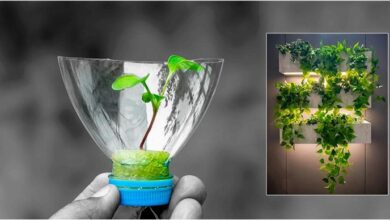
Use of fertilizers in chelated form
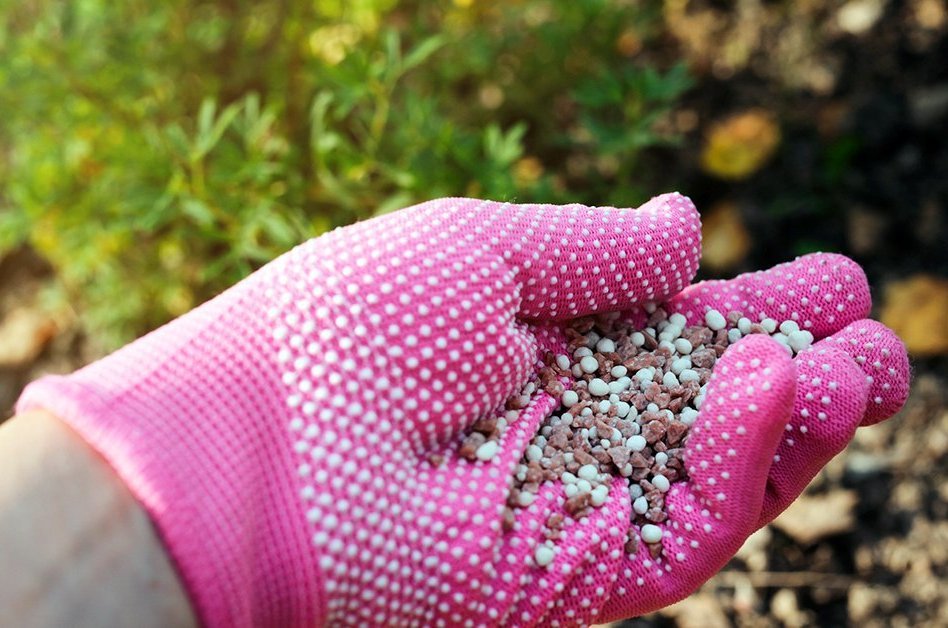 it is very important to choose the right food to feed depleted soil. Many fertilizers are not fully absorbed by plants, thereby polluting the soil. To avoid this, experienced gardeners and gardeners recommend using modern chelate preparations. Application of chelated microfertilizers purchased from the company “Agroexpert-Trade” https://agroexp. com. ua/helatnyie-mikroudobreniya-ot-proizvoditelya-kupit-tsena with delivery to any point in Ukraine, will give you a yield increase of up to 35%. At the international exhibition AGRO-2017, this company was awarded a gold medal for its activities in the category “Best implementation of new technologies in science.”
 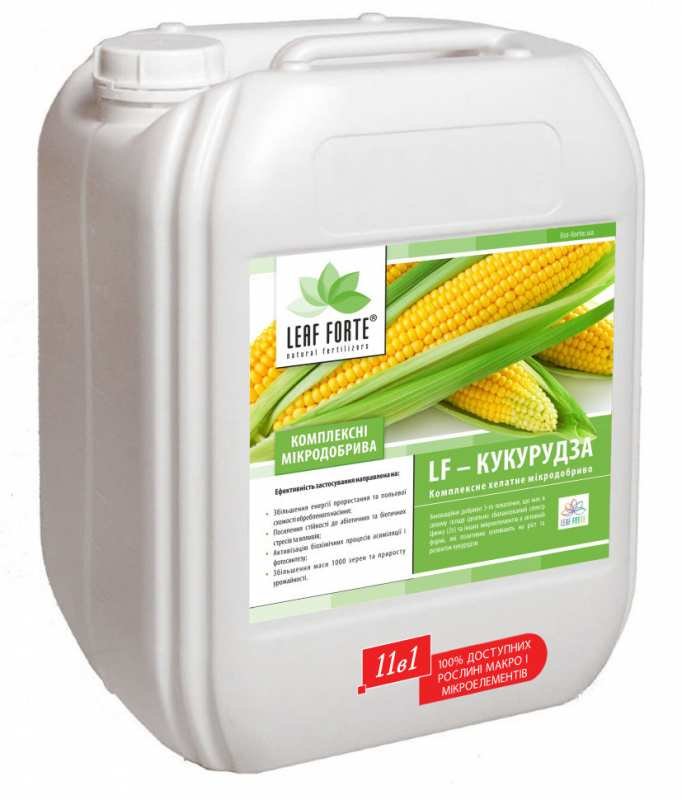 when they talk about fertilizers, they pay attention to their main components, or macroelements, and separately — to microelements. The good condition of plants and their resistance to disease depend on a sufficient amount of microelements. 7 elements are considered the most significant: boron, iron, cobalt, manganese, copper, molybdenum, zinc. They are the components of chelated fertilizers and are indicated on the packaging. Attention! Other elements — for example, nitrogen, potassium, phosphorus — cannot be included in chelate compounds! If these names appear on the label, it means you have a dubious, uncertified product in your hands. Chelated form means that the inorganic constituents are surrounded by organic molecules and are closely associated with them. Such complex compounds are well absorbed and assimilated by plants. For comparison: organic salts are absorbed by no more than 20-30%. Each fertilizer may contain one microelement or several.
Application and dependence on soil type
Chelated fertilizer complexes are non-toxic and do not harm the environment. They are used at all stages of plant development: from seed and seedling treatment to fruiting. Soils are usually divided into 4 types depending on the content of microelements:
- Low,
- Average,
- High,
- Excessive.
For soils of the first group, chelate fertilizers are used at all stages of plant development, for the second, pre-sowing seed treatment and foliar fertilizing are recommended, and groups 3 and 4 do not require additional fertilizing. Some consequences of feeding plants with chelated fertilizers:
- Improved growth and development.
- Increased resistance to diseases, drought, frost.
- Increased yield.
- Improving the taste and other characteristics of fruits.
Chelated fertilizers are applied at the root or sprayed with a weak solution. This way you can feed not only plants in the open ground, but also, for example, indoor flowers. Plants that receive microelements in the required quantities have a good appearance, healthy and environmentally friendly fruits, and valuable seeds. The only possible disadvantage of chelated fertilizers is their higher cost. But in practice you can always see how justified such expenses are.