Home hydroponics for everyone — modern technologies in our home
Hydroponics is a method of growing plants without soil, usually in a nutrient solution. In most cases, hydroponic plants are grown in greenhouses, but everyday hydroponics is increasingly becoming part of our lives. And now housewives are growing table greens and indoor plants hydroponically.
Contents of the article:
- What is hydroponics?
- Benefits of home hydroponics
- Cons of home hydroponics
- Purchased hydroponics systems
- How to make a simple hydroponic system yourself
- Nutrient solution for hydroponics
- How to properly grow plants in hydroponics?
- What indoor plants can be grown hydroponically?
- How to transplant a plant from soil to hydroponics?
- Transparent decorative vases for hydroponics
- Ready-made hydraulic systems
- THIS IS INTERESTING! Cacti in hydroponics!

What is hydroponics?
Basically, it”s just growing plants without soil. With the hydroponic method, plants receive all the nutrients they need from a special solution. There are three main ways to grow plants hydroponically
- Hydroponics is hydroponics itself;
- Substrate culture — hydroculture;
- Air culture — aeroponics.
 Commercial home hydroponics systems are made of plastic or metal. It is very good if such a system is equipped with a phytolamp.
Benefits of home hydroponics
- It is modern, technologically advanced and accessible to everyone!
- You can grow almost any plant.
- There is an automated solution circulation system (which you can assemble yourself at home), minimizing labor costs for watering and fertilizing.
- Plants grow healthier and much faster than in soil because hydroponic growing provides them with the right amount of nutrients.
- Hydroponic plants can be left for long periods of time without any care (vacations, holidays, long weekends, coviculum).
- With hydroponics there are no soil pests!
Cons of home hydroponics
- Plants can be damaged by mites.
- Large indoor crops can quickly outgrow the allotted container.
Purchased hydroponics systems
There are a number of ready-made systems for hydroponics. As a rule, these are plastic housings, pumps and lamps for plants. Some systems provide pure hydroponics (based on aqueous solutions), while some use special substrates (interchangeable).
How to make a simple hydroponic system yourself
The simplest hydroponic system is a bulb in a glass of water. (Everyone does it.) Simple Home Hydroponic Growing Systems You can do something a little more complex: provide plastic pots for indoor plants (the main thing is that they”re inert; it”s best to use other containers that don”t allow light to pass through. For example, you could place a 2-liter bag of juice next to it, which would serve perfectly as a hydroponic container).
Nutrient solution for hydroponics
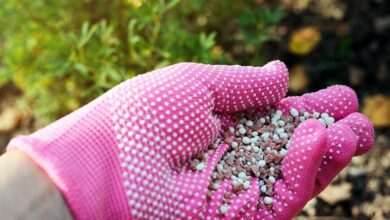
Regular drinking water is suitable for the nutrient solution. Of course, experts who grow huge hectares of hydroponic crops in greenhouses disagree. They”ll say the water should be purified, free of chlorine and pathogens, etc. But for home growing, regular filtered water is sufficient. If you want everything by the book, enjoy! Buy distilled water, purify it yourself, and infuse it with Kasipirovsky (oops, something slipped through). To obtain nutrients from plain water, you need to add fertilizer. To avoid the headache of creating complex collections of different fertilizers, specialists have created a special fertilizer for hydroponic growing. Plagron Hydro A B is a highly concentrated mineral nutrient containing all essential micronutrients in chelated form (DTPA). It can be used with all types of neutral materials. Add no more than 1. 6 ml of each compound per 1 liter of water. Hesi — The normal amount of nutrients is present thanks to the high concentration of chelates. Micronutrient composition: potassium 25%, nitrogen 30%, phosphorus 14%, vitamins, amino acids, enzymes, and plant sugars. The ghe ghe flora series is an original three-component fertilizer system. It contains all the key additional micronutrients necessary for balanced plant nutrition. This helps increase yields and improve their quality. It provides the plant with nitrogen, phosphorus, potassium, and secondary elements You can build your own hydroponic system how to grow plants hydroponically? Important! Only part of the roots are soaked to provide the root system with oxygen contained in the nutrient solution. The root collars of the water pompons are secured to the pot lid with cotton wool or foam (there are special neutral substrates available for purchase).

How to properly grow plants in hydroponics?
What houseplants can be grown hydroponically? Low-maintenance plants with large roots include lush plants, many allodea, ivies, asparagus, and epiphytes. For hydroponic crops, it”s better to choose smaller specimens.
What indoor plants can be grown hydroponically?
1. Water the plant generously for 24 hours. 2. Separate the soil from the roots under running water and rinse the roots thoroughly. 3. Carefully place the plant”s roots in the inner pot, being careful not to damage them, and insert some of the roots into the hole in the pot (perhaps because you saw a lettuce pot at the grocery store, it”s a hydroponic inner pot; something similar is also needed). Initially, use a diluted (1:10) nutrient solution. 4. After a week or two, adjust the solution concentration to the recommended value on the package.
How to transplant a plant from soil to hydroponics?
In plant design, plants are often placed in transparent glass containers filled with a nutrient solution (sometimes tinted with a special dye). However, this is not the best option. Roots that don”t breathe will rot. This method is suitable for short-term decorative effects, as it makes it easy to germinate seeds and most bulbous plants.
Transparent decorative vases for hydroponics
There are several types of hydroponics systems designed for growing indoor plants hydroponically. Modern systems typically consist of two pots.
Ready-made hydraulic systems
The substrate is an inert substance and, unlike soil, does not provide the plants with nutrients—all the vitality comes from the solution. THIS IS INTERESTING! Cacti in hydroponics!
 Cactus Lovers fully appreciate the benefits of hydroponics. Many cylindrical and spherical ceremonial cacti, various ore cacti, lagman cross-shaped fingers, and epiphytic cacti are successfully grown in hydroculture.
THIS IS INTERESTING! Cacti in hydroponics!
Home hydroponics for everyone — modern technology in our home