Oxalis tuberiferous
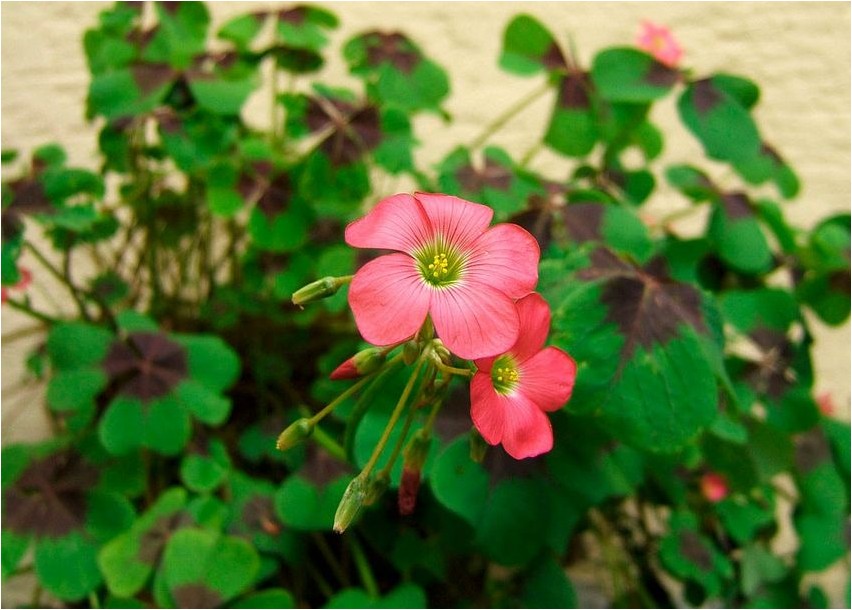
Oxalis tuberosa (lat. Oxalis tuberosa) is a herbaceous tuberous perennial plant of the genus Oxalis (lat. Oxalis), belonging to the family of the same name (lat. Oxalidaceae).
The high nutritional value of Oxalis tubers, combined with the plant’s unpretentiousness to living conditions, makes the cultivation of Oxalis tuberiferous in the difficult climatic conditions of the Andes, from Venezuela to Argentina, very popular. In terms of cultivation volume, Kislitsa is second only to potatoes.
What”s in your name
There are no difficulties with the Latin name of this plant, since the Russian name is a literal translation of its Latin counterpart. That is, both the generic name and the specific epithet in Latin, “Oxalis tuberosa,” mean precisely “Tuberous oxalis.”
Much more confusion arises with the local names of the plant, since the people of each country where edible root vegetables are grown give the plant its own name. So, for example, in Bolivia it is “Apilla” or “Apina”. The latter is also typical for Peru. In Brazil, its name echoes the name “Batata” (Sweet Potato) and sounds like “Batata-baroa” or “mandioquinha”. In Colombia there are three names: “Hibia”, “Huasisai”, “IBI”. In Venezuela there are as many as four. In New Zealand and Polynesia, where Oxalis has taken root well, it is called “Yam”.
Description
The appearance of the aboveground parts of Oxalis tuberifera does not differ from most of its relatives. This is a low-growing plant with petiolate compound leaves consisting of three heart-shaped light green leaves with a small notch along the upper edge. They also like to droop in unfavorable climatic conditions, folding their halves on either side of the central vein tightly to each other.
On strong peduncles there are racemose inflorescences of small yellow flowers.

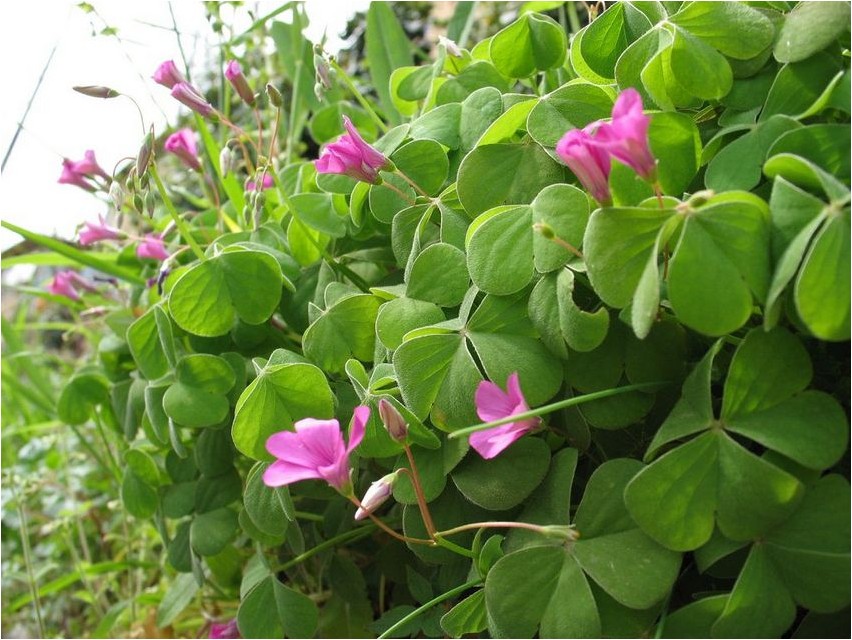
But, unlike many other species of the genus Oxalis, the tuberous species has a stem. Moreover, there is a stem on the surface of the ground, which helps to create compact bushes like these that grow in New Zealand, as in the following photo:
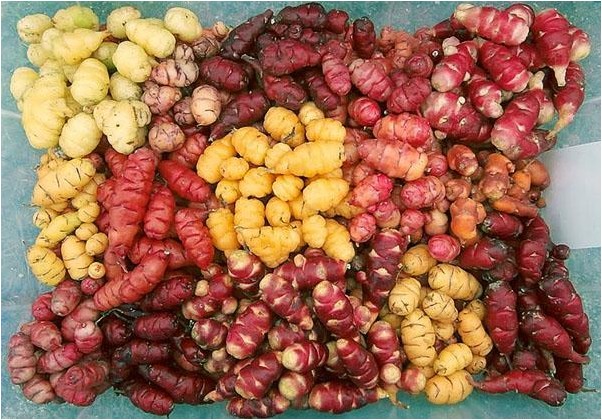
In addition, there are also underground stems or shoots (stolons), from which nutritious starchy tubers are formed, competing with potatoes and differing from them in a slightly pungent aroma. The color of the tubers, covered with fleshy scales, depends on the variety and can be yellow, violet-purple, reddish, or bright red.
Rich tuber content
In addition to being a rich source of carbohydrates, some varieties are high in protein and also contain beta-carotene (provitamin A), potassium, calcium and iron. And all this wealth demonstrates the exquisite taste and versatility of the tubers.
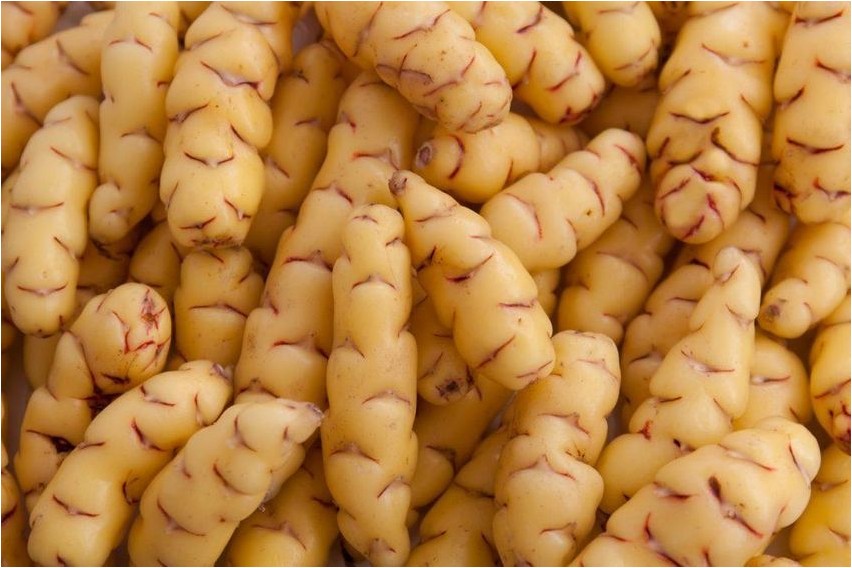
The tubers can be eaten raw, or you can prepare dishes from them in various ways, similar to the methods of preparing everyone’s favorite potatoes.
The leaves along with young shoots are also suitable for food as green vegetables.
Tubers are sour and sweet
Some varieties of Oxalis contain a lot of oxalic acid, which is harmful to the human body. These are varieties with sour tubers. To remove excess oxalic acid, the tubers are subjected to special treatment. They are soaked in water for about a month, and then laid out in the daytime sun and cold nights so that the tubers are completely rid of moisture and acid.
Sweet varieties containing oxalic acid in smaller quantities are not soaked, but exposed to sunlight, which can also displace acid from the tubers, making them even sweeter. These potatoes are suitable not only for side dishes and soups, but also for making sweet desserts.