Cypress evergreen
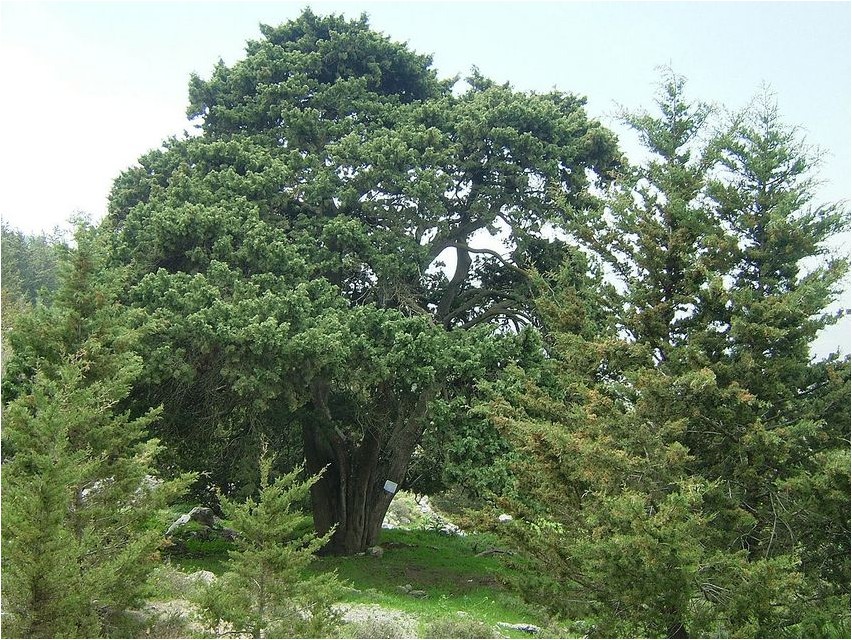
Evergreen cypress (Cupressus sempervirens) — although all types of Cypress have evergreen leaves, botanists have identified this species among all species of the genus Cypress (Latin Cupressus), the main genus of the Cypress family (Latin Cupressaceae), adding the adjective “evergreen” to its name.
This does not prevent the plant from withstanding frosts down to minus 20 degrees, and also being resistant to prolonged drought.
What”s in your name
The name of the genus Cypress dates back centuries, based on legends and myths. Originally it was a human name, which later went to a slender tree created by “benevolent” gods from people reincarnated into a plant. Maybe that’s why people are drawn to Cypress, feeding on it with the vital energy of distant ancestors.
The specific epithet “sempervirens” (evergreen) went to this particular species of a not very numerous genus, since since ancient times representatives of similar trees grew in the south of Europe, and therefore were the first to come to the attention of botanists.
The name “Evergreen Cypress” has many synonyms. Since the Mediterranean is considered the homeland of the plant, it is also called “Mediterranean cypress”, “Tuscan cypress”, “Italian cypress”. Cypress is often planted on graves (for example, in Turkey), and therefore there is the name “Cemetery Cypress”. In Turkish forestry, the tree is called “Black Cypress”.
Description
The evergreen cypress, although it is a long-liver of the planet (lives 1000 — 2000 years), has a rather modest size, growing to a height of 30 meters and having a trunk with a diameter of up to half a meter.

In Iran, where Cypress trees have been grown in gardens since time immemorial, in one of the provinces there is a Cypress tree preserved, which is about 4000 years old.
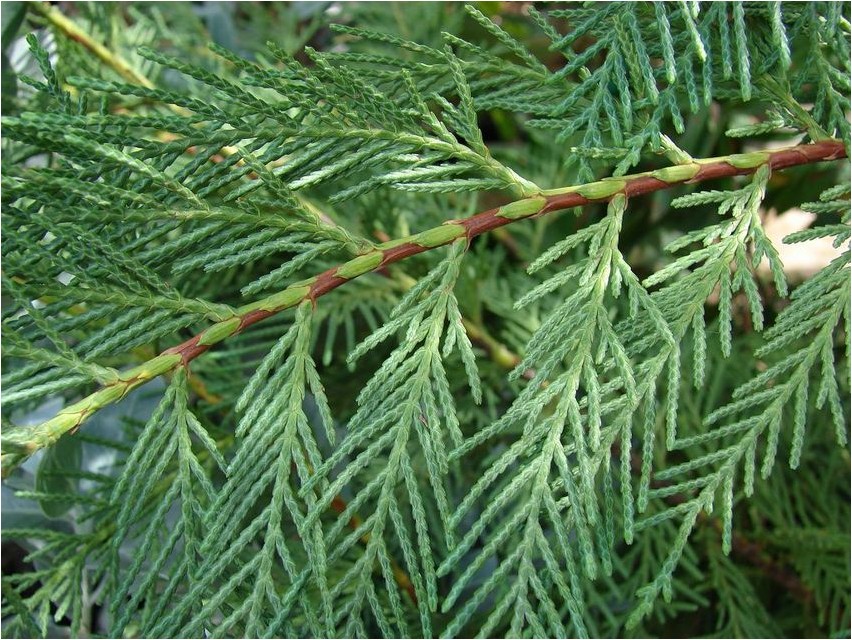
The conical crown of the tree is formed by dense branches with dark green foliage. Scale-like leaves grow from 0. 2 to 0. 5 cm.
The fruit of Cypress evergreen are seed cones up to 4 cm long. They are oblong or ovoid in shape, with a number of scales from 10 to 14. As they ripen, the green cones become brown in color. The buds take 20 to 24 months to mature.
Usage
Evergreen cypress fell in love with humans several thousand years ago. Areas with dry, hot summers and rainy, mild winters, such as the Mediterranean, southern Australia, and southwestern South Africa are most favorable for growing Cypress. As an ornamental tree, evergreen cypress is readily used in gardening in different countries.
The ornamental Cypress sempervirens typically has a very narrow, conical crown with erect branches. The trees resemble dark green exclamation points, standing along the roadsides and joyfully greeting travelers and motorists.
The wood of the Cypress sempervirens is durable and pleasantly fragrant, which is why it was used to make wine barrels. The doors of St. Peter”s Basilica, completed in the early 17th century in the Vatican, are made from Cypress sempervirens. In Italy, the musical instrument “harpsichord” is traditionally made from the wood of this Cypress species.
Cypress sempervirens possess healing properties, which are used in the cosmetics industry to combat dandruff, maintain youthful skin, and in the production of perfumes.
Cypress sempervirens is highly fire-resistant. A classic example of its fire resistance is the fire in Spain that swept through several provinces in July 2012. Botanist Bernabé Moya, who was studying perennial trees, was deeply saddened, as the fire put an end to his further research.
Imagine his surprise when he saw a group of tall cypress trees with green crowns standing in the middle of a 20, 000-hectare forest burned to the ground.