How to choose pool filters to ensure clean and safe water
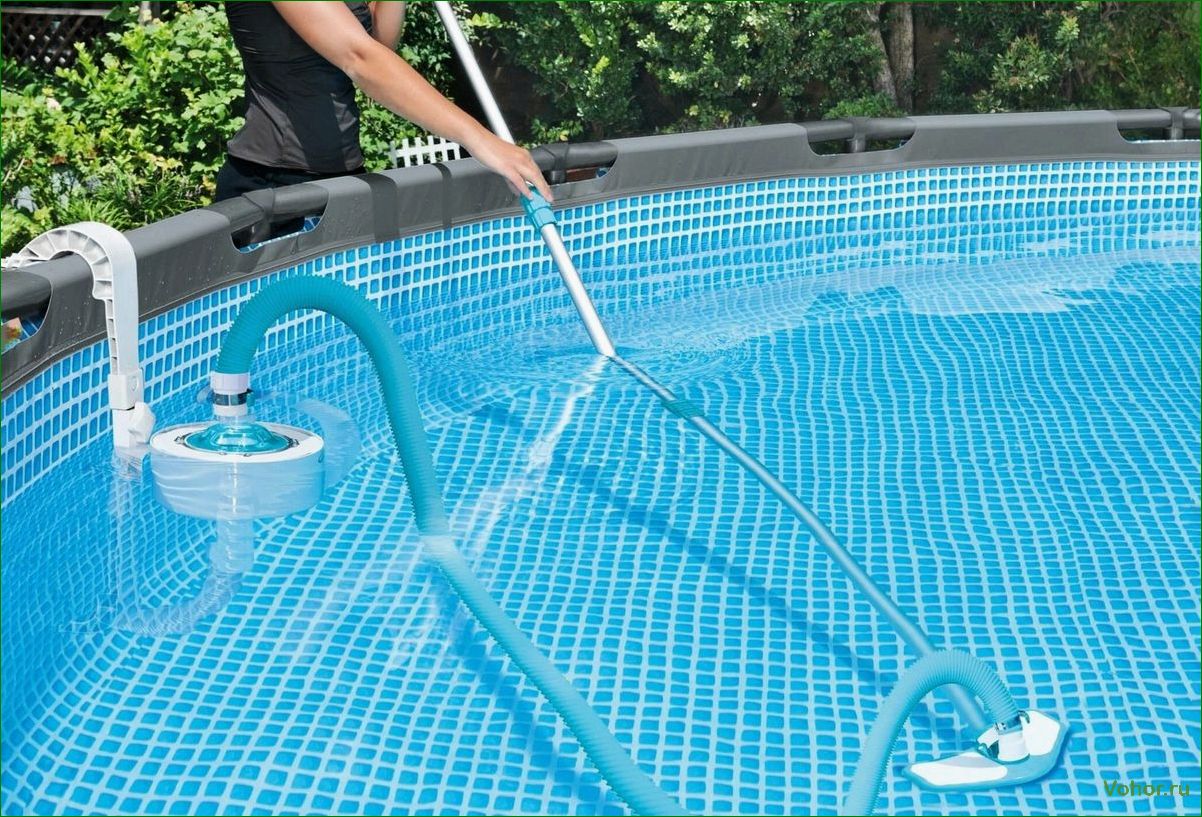
We recommend starting with a sand filter if you are looking for a reliable and easy-to-use solution. They effectively remove dirt, doing an excellent job of particles up to 20 microns in size. At the same time, such filters require minimal maintenance – wash them about once a week, and they will serve you for many years without replacement.
Contents of the article:
for those who want to achieve maximum water purity, cartridge filters are worth considering. They are ideal for small pools and hold particles down to 10 microns. Their advantage is that they save water, since they do not require regular washing, and they can be cleaned simply by rinsing them under a stream from a hose.
If your pool is very large or heavily used, consider diatomaceous earth filters. They provide the highest degree of cleaning, removing particles down to 2 microns. However, they require more maintenance, including periodic replacement of the filter powder. Despite this, they are ideal for creating perfectly clean water under high load.
It is also worth considering the size of the pool, the volume of water and the frequency of its use. When choosing a filter, make sure its power matches these parameters. For example, for a pool with a volume of up to 50 m& sup3; A sand filter with a capacity of up to 10 m³/hour is sufficient.
Regardless of the filter type, quality pool water is impossible without proper maintenance. Regularly check the pH level, remove large contaminants with a skimmer and monitor the condition of the AquaViva filter itself https://aquaplast. ru/produkciya/filtry-aquaviva/ this way your pool will always be clean and safe.
Cartridge filters: advantages, disadvantages and tips for use
Select a cartridge filter with the same flow capacity as your pool pump system to eliminate unnecessary stress on the equipment. This is one of the key points to achieve high-quality water filtration.
Advantages of cartridge filters
Cartridge filters allow you to finely purify water, trapping particles up to 10 microns in size. The devices do not require complex installation and operate without additional consumables such as sand or granules. They are also more compact than sand counterparts and do not require backwashing, which saves water.

Disadvantages and maintenance
Accumulating dirt gradually reduces the filter’s effectiveness, so it must be cleaned regularly. Cartridges should be rinsed with clean water under moderate pressure every 1–2 weeks. In addition, their replacement is required every 1–2 seasons of operation, which must be taken into account when planning costs.
When flushing, avoid high pressures to avoid damaging the filter material. For better results, you can use specialized cleaning products that dissolve fatty and chemical deposits that form during the operation of the pool.
Follow the recommended filter cleaning intervals and select the correct model depending on the volume of the pool. This will extend the life of the cartridge and provide clean water throughout the season.
Sand filters: how they work, rules for replacing the filler and key nuances
To effectively clean a pool, a sand filter pumps water through a layer of quartz sand, which traps dirt particles ranging in size from 20 to 50 microns. Pressurized water passes through the sand, where it is mechanically cleaned and then returned to the pool.
The filter media requires replacement every 3-5 years. The exact period depends on the intensity of use of the pool, water quality and equipment power. The manufacturer’s official manual will always indicate a recommended schedule, but signs that replacement is needed include deterioration in cleaning quality and a sharp increase in filter pressure.
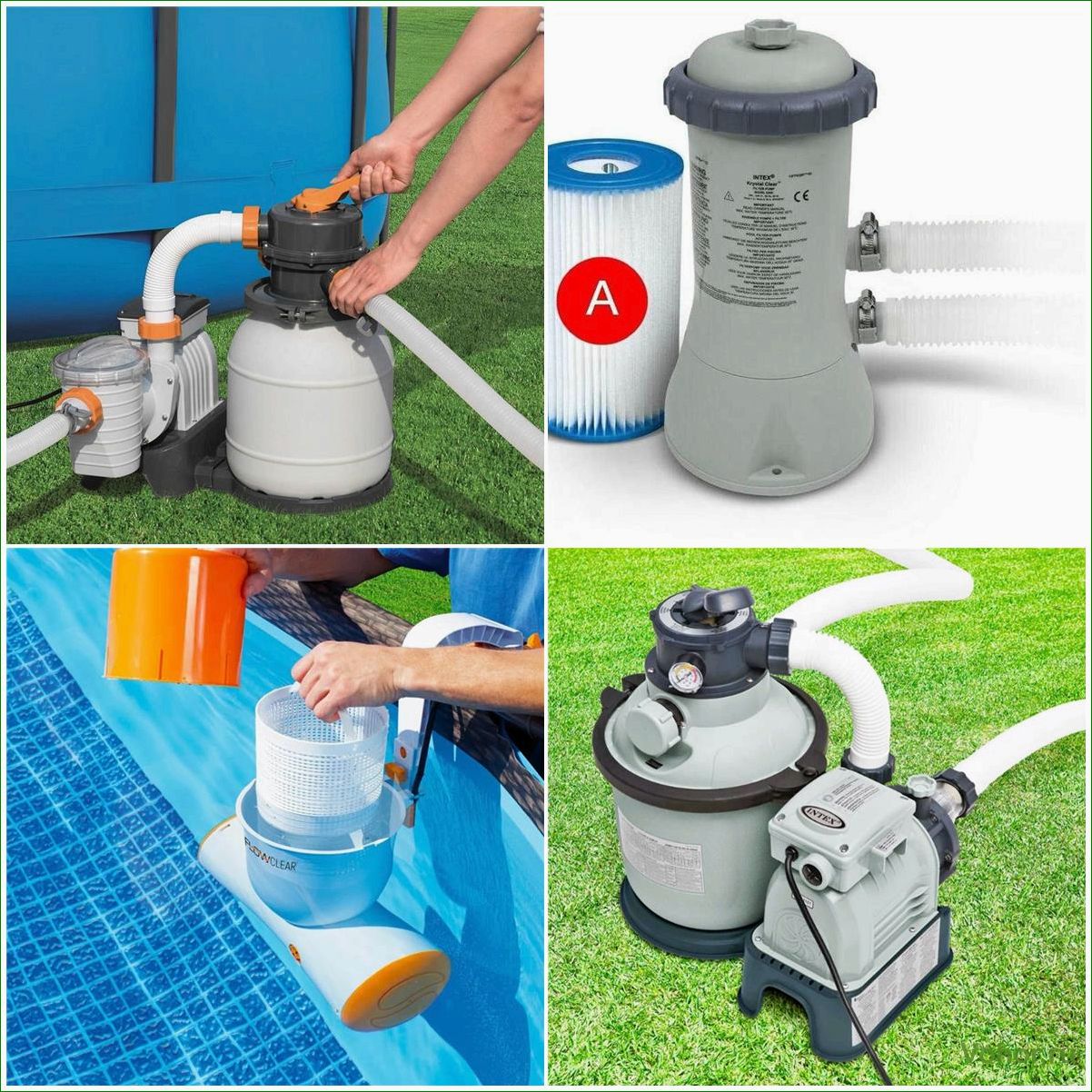
To safely replace the filter layer, first turn off the pump and drain the water from the system. Then open the filter housing, remove the old sand (it is best to use a vacuum cleaner or pour it through the bottom drain). Clean the inside of the filter and the mounting cross to avoid damage or blockages, then add new quartz sand, strictly observing the specified loading level.
Please note that it is not recommended to use ordinary construction sand – only quartz sand with the specified fraction (usually 0. 4-0. 8 mm). Before starting the pump for the first time, wash the new sand to remove dust, otherwise the water may become cloudy. By regularly washing the filter (back-flow cleaning), you can significantly increase the service life of the filler.
Diatomaceous earth filters: why they are popular and what you need to maintain them
How to properly maintain a diatomaceous earth filter
Rinse the filter regularly with a reverse flow of water to remove accumulated dirt and restore the permeability of the filter element. After each cleaning, add a new layer of diatomaceous earth through the skimmer, strictly following the manufacturer’s instructions regarding the amount required. Not enough powder can reduce filtration efficiency, while too much powder can block water flow.
Periodically completely disassemble and clean the filter, including the screens, to remove any deposits and prevent damage to parts. It is recommended to perform such procedures twice a year or more often if the filter is used intensively. Also monitor the condition of the pressure gauge: an increase in operating pressure usually indicates the need for cleaning.
Material consumption and operating features
The purpose of diatomaceous earth is one-time use: it should be completely replaced each time after cleaning. The average consumption of this material is 200-300 grams per square meter of filter surface, but the exact volume depends on the specific filter model.
Diatom filters require a more careful approach to operation compared to sand or cartridge analogues. However, their benefits in intensive water purification are worth the effort and make them popular among pool owners who want to maintain ideal water clarity.


