Night violet
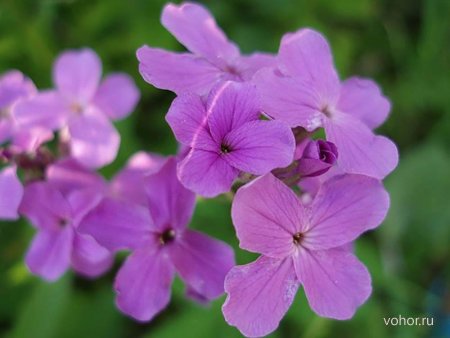
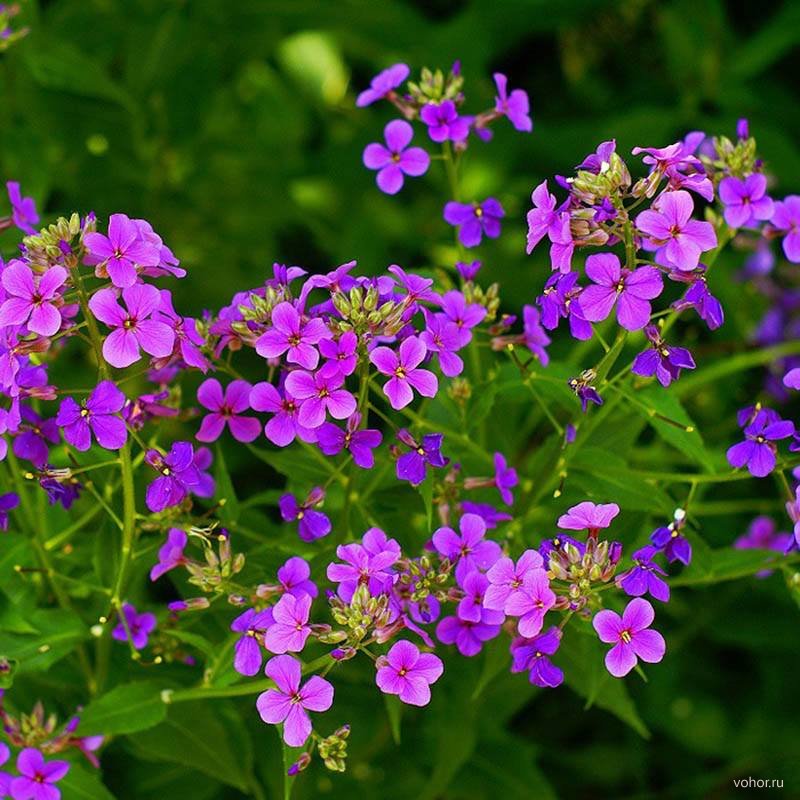
Night violet, or as they say scientifically, hesperis, belongs to biennial plants. The flower itself is fragrant with a pleasant aroma, which is especially intensified closer to night. The type of violet is simple, but with beautiful flowers of delicate pink, lilac color, and the violet is distinguished by long-lasting flowering.
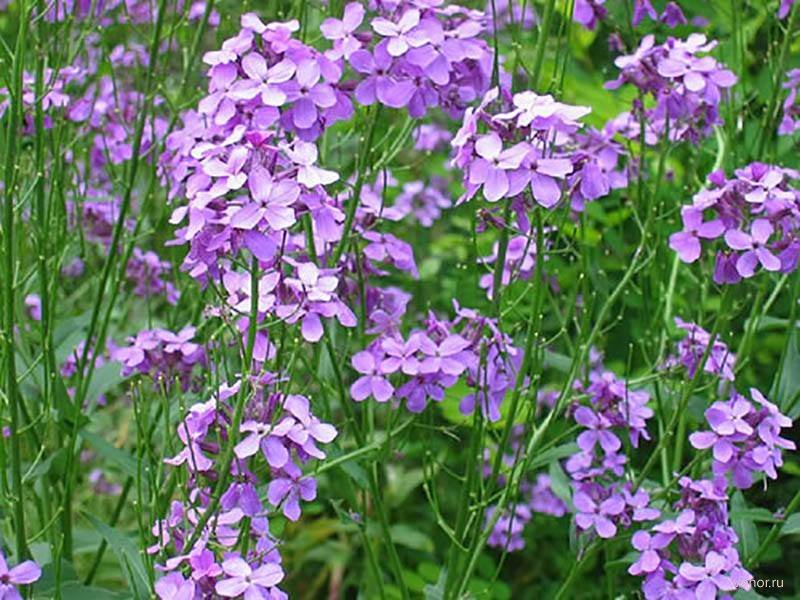
care and cultivation of night violet
The night violet lives in shaded areas with fertile, loose and moist soil. But in acidic soils, it will not grow very well. Violet thrives under spreading trees, but can also grow in the sun. Despite the flower”s love for moisture, the flower does not like stagnant water. The flower is watered constantly, but moderately.
Do not allow the soil to dry out. The plant does not particularly need fertilizing with mineral fertilizers and still grows well in soils rich in organic matter. Organic fertilizers are applied directly during planting.
In winter, the night violet need not be covered, but in cold winters the soil should be mulched.
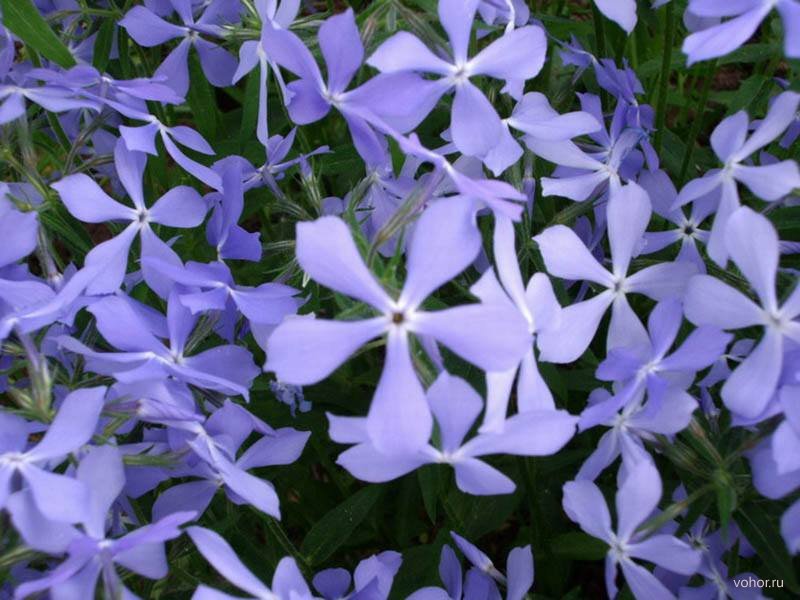
reproduction
night violet is produced by seeds, which are sown in spring or autumn, before winter. On the eve of sowing, the soil is prepared by applying fertilizers. Seeds are sown immediately in open ground in the shade, in beds, but it is allowed to sow at once in a permanent place.

When growing night violets, it is better to create plantings of medium density, so the plants look more beautiful. If the seeds were sown in the garden bed, then at the very beginning of autumn the night violet seedlings are transplanted to a permanent place. The flower belongs to biennials, so the plant begins to flower in the second year after sowing. The flower reproduces well by self-sowing.