Who is a subcontractor?
r?

During the practical implementation of an investment project, the mutual obligations between the partners are clearly defined in the signed contract. However, in practice, in most cases, during capital construction, participants emerge who do not have a primary contract. These are organizations working under subcontracts. Let’s take a closer look at who a subcontractor is and what their characteristics are.
Contents of the article:
What is a subcontract and why is it used
When a client selects a contractor (subcontractor) to complete a project, they can either perform the entire work themselves or engage an outside company for specific tasks. This practice is used in most projects, the only exception being cases where it is not permitted by law or contract terms.
Quite often, construction companies require a subcontractor to perform certain tasks. Subcontractors can be individuals or legal entities, and the contractor is tasked with performing a clearly defined range of work as part of a general contract. The number of such entities on a single project is not legally limited; The number of subcontractors on a project can reach 100 or more. Indeed, if a subcontractor is hired on a project, they assume the functions of the general contractor or client.
Such obligations are set forth in a separate legal document. This is a subcontract agreement, drawn up in accordance with the requirements of the Civil Code of the Russian Federation. At the same time, a legal relationship arises between the counterparty and the third party. The agreement clearly defines the scope of work, terms of performance, deadlines, and quality requirements. The contractor who engages a third-party organization to carry out the process bears full responsibility for its actions to the client, with the right to file a recourse claim against the contractor (Civil Code, Article 706).
Using the practice of outsourcing can expedite construction or other complex projects and improve the quality of work performed.
To protect themselves, contractors must have a large staff of specialists in various disciplines and a variety of equipment and machinery.

This is often expensive and inefficient, as there are not always enough orders to keep them fully occupied.
In addition, many types of construction and installation work must be purchased. This is a lengthy and very expensive process. Furthermore, specialized equipment and a certain number of qualified specialists are required. Therefore, contractors may carry out general government processes independently. Furthermore, when performing electrical installation or electrical engineering work, an authorized company specializing in these processes will have the relevant experience, necessary equipment, and staff. For example, construction companies or design laboratories are engaged for design work. Companies with the necessary equipment (excavators, bulldozers, concrete mixers) are hired.
Situations often arise where the general contractor lacks in-house construction expertise and effectively becomes an intermediary in relations with the client.
- Organizes all processes;
- Monitors quality and performance conditions;
- Makes payments in accordance with the contract;
- Collaborates with government regulatory authorities;
- Resolves interactions between various construction participants.
In this case, all construction and installation work is performed by additional companies or individuals. Thus, responsibilities are divided. The general contractor bears financial and legal responsibility for the entire construction and installation process, but is merely a subcontractor at a specific site.
Challenges associated with this type of proactive organization include the following:
- A delay in the work schedule by one contractor using a sequential process prevents the timely commencement of work by another process;
- Failure to promptly correct identified deficiencies committed by previous contractors;
- Many attractive ventures require careful and ongoing monitoring of interactions.
However, despite its shortcomings, subcontracting is a very convenient form of implementation in investment project practice worldwide.
Main functions of subcontracting organizations
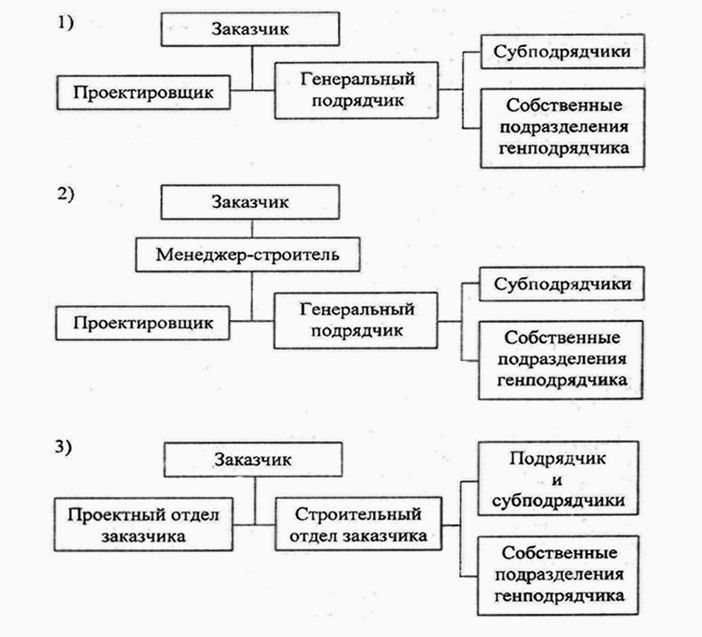
Russian legislation has established the following functions for organizations participating in projects in relation to subcontracting.
- Completion of work and site preparation are assigned by the start date of subsequent processes;
- Systematic clearing of the site of material debris and debris, as well as final cleaning;
- Compliance with technical specifications, design documentation, and standards regarding approved criteria and quality requirements;
- Removal of equipment, tools, building materials, and inventory from the construction site within the agreed timeframe after acceptance of all completed work;
- Prompt elimination of defects, flaws, and deficiencies identified during the site acceptance procedure and warranty period;
- Implementation of measures for environmental protection, occupational safety, and the reasonable use of the allocated area.
After completing the order, the subcontractor notifies the contractor. If it installs equipment, it is required to participate in its comprehensive testing. The subcontractor suspends its activities and announces a decision on the general contractor in this case.
- Inconsistency or unauthorized use of the submitted technical documentation or delivered materials, products, or equipment;
- Anticipated negative consequences of this method of work;
- Other circumstances that may threaten the strength and reliability of the erected structure or delay the completion date.
The contractor is obligated to correct any deficiencies that arise free of charge, at the expense of the general contractor’s application and funds.
The subcontractor has the right not to use the materials it posts if they do not comply with the general contractor’s orders and may violate material environmental protection or construction safety requirements. Furthermore, the general contractor has no right to interfere with the business activities of invited third parties.


